
Polymer Aging Time: How Long PAM Needs to Mature
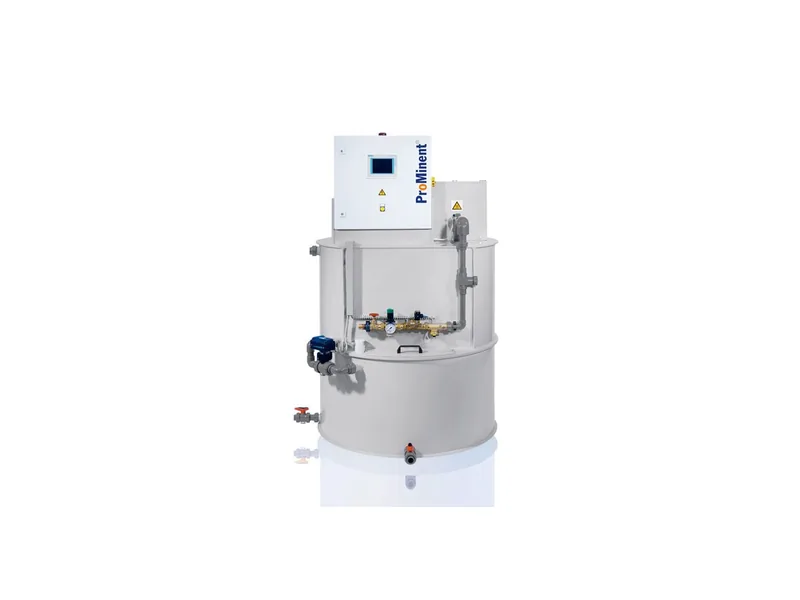
Polymer aging is the part of make-down that starts after the powder has already been wetted. The grains may have disappeared, yet the polymer chains have not fully uncoiled in the water. If polymer aging is cut short, the tank shows fisheyes or clear gel beads, the solution feels thinner than it should, and the floc in the process is loose even as chemical use climbs. How long polymer aging should last depends on water temperature, solution strength and molecular weight. Do not steal residence time from the aging chamber just to raise output. This article is for plant operators who need to know how long to hold the solution and what under-aging looks like. It is not a walk-through of how a three-tank unit is partitioned.
How long polymer aging should last, and what changes the time
Dry PAM has to be wetted, then opened by mixing, and then given time for the chains to stretch in water. The first part is dissolving; the second is polymer aging. Operators often talk about both as “dissolving time.” High-molecular-weight grades, and grades with a high anionic or cationic charge, usually need a longer polymer aging hold. A stronger solution also slows the uncoiling. Cold make-up water makes the same mixer look as if it cannot dissolve the powder. Warmer water, a moderate strength and even mixing can shorten the wait, but they do not let you skip polymer aging altogether.
Use the product sheet and the design residence time of the unit as the starting point, then add margin for winter and for stronger solutions. Do not invent one plant-wide number of minutes and force every grade to match it. In a three-tank unit the aging chamber exists to provide that hold; how the chambers are split is covered in three-tank polymer make-down systems, and the working sequence is in how a polymer dosing system works. A ProMinent Ultromat polymer preparation unit puts dissolving and polymer aging in a continuous train; when you size it, check that hourly output and aging residence actually match. See the ProMinent brand page and the dosing skid range.
How to wet the powder and avoid lumps belongs in tips for dissolving and dosing PAC/PAM; that article does not replace a check of polymer aging time.
What you see when polymer aging is too short
The usual signs of short polymer aging are:
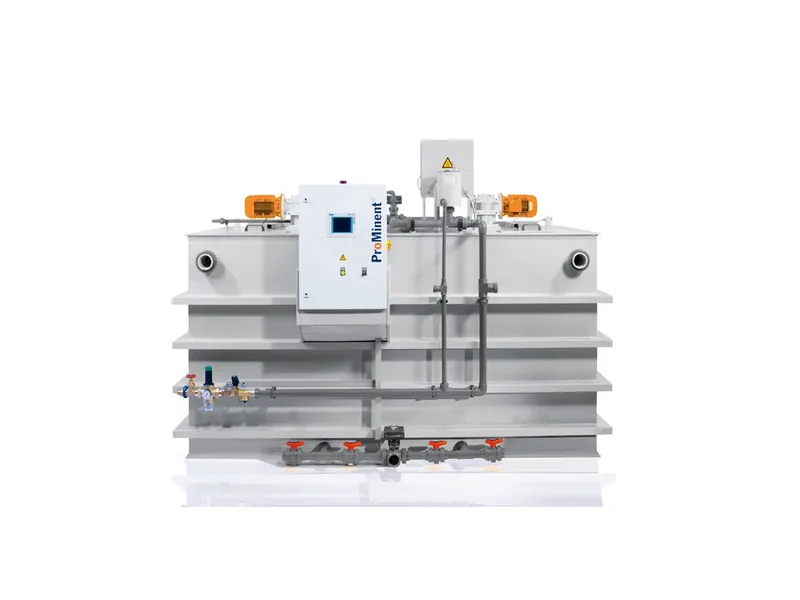
Figure 1: ProMinent Ultromat ULPa polymer preparation system. Image source: ProMinent official website
- Fisheyes: translucent or whitish gel beads stuck to the tank wall, the weir and the sight glass; some of them blind a strainer or starve the metering-pump suction
- A watery solution that lacks the stringy feel of a properly aged make-down, with fine, fragile floc in the process tank, so the operator raises the feed rate and consumption climbs
- Gel that later breaks free from the pipe or the pump head and makes the dose swing
Sometimes the surface looks uniform, yet a sample left to stand still shows undissolved particles at the bottom. The mixer can even out the top of the tank while the lower zone is short of polymer aging time, or a dead corner is bypassing the hold. If the solution is oddly thick and the pump will not pick it up, the cause may be a solution that is too strong, or gel from poor polymer aging, or both. That check is covered in PAM dosing pump not pumping. Do not put a hand into a mixed tank, keep dry powder from becoming a dust cloud, and keep the electrical gear dry.
How to check that polymer aging actually has enough time
First calculate the hold: the working volume of the aging section divided by the hourly draw gives the real polymer aging time at the current make-down rate. If that figure is clearly shorter than the product needs, no amount of mixing will fix it. Lower the make-down rate, or enlarge the aging volume. Do not raise the solution strength to “get more active polymer out of less liquid.” A stronger solution makes polymer aging slower and usually creates more fisheyes.
Then look in the tank. The sight glass, the overflow and the mixer shaft should not stay coated with gel beads. Take a sample from the aging-chamber outlet and compare it, in a small beaker, with a fully aged reference. If the outlet sample is thin or still carries particles, polymer aging is short or the tank is short-circuiting. When make-up water cools, give polymer aging more time at the same grade; the usual move is to slow the dry-feed rate, not to run the mixer at its highest speed. Over-mixing can break chains that have already uncoiled, and floc will suffer for a reason that more time will not cure.
On a continuous unit, keep inlet water, dry feed and draw from fighting each other, or product leaves before polymer aging is finished. Level setpoints and the outlet valve can also let solution take a shortcut through the chamber, so the true hold is shorter than the calculated value.
Conclusion
Polymer aging is the stretch of time after wetting, when the chains finish uncoiling. Cut it short and you get fisheyes, low viscosity, weak floc and rising chemical use. Leave margin for cold water, stronger solutions and higher molecular weight, and check the hold from aging volume and draw. Send the polymer grade, the solution strength, the hourly use and the water temperature through the contact page, and we will check the preparation unit and the pump against the polymer aging time you actually need.
FAQ
If the dry powder has already vanished, can we start feeding?
Not yet. The absence of visible powder only means most grains are wetted. The chains may still be folded. Let polymer aging run for the design hold, then judge the outlet solution by its feel and by the floc it produces.
Does polymer aging need more time in winter?
Usually yes. Cold water slows both wetting and uncoiling. Lower the make-down rate to stretch the hold, or warm the make-up water if the equipment allows it. Do not rely only on a faster mixer.
If we see fisheyes, is the mixer undersized?
It might be a dead zone in the tank, or polymer aging time may be too short, or the dry feed may be running too hard and forming local lumps. Check the hold and the feed rate before you only raise mixer speed.
Can we draw from the aging tank earlier to raise hourly output?
You can, but you should not. Early draw cuts polymer aging time. Output rises for a short period, floc quality falls, and the plant then spends more polymer to compensate. If the unit cannot keep up, size the volume, rather than pulling product out early.
Is polymer aging time the same for anionic and cationic PAM?
Not necessarily. Molecular weight, ionic type and solution strength all change the hold. Follow the sheet for that grade and the water temperature on site. When you change products, re-check the residence time; do not keep the last grade’s polymer aging calendar.