
Belt Press Polymer Dosing: Flocculant Choice and Dose Control
Belt press polymer performance shows up within the first meter of the gravity zone. With good floc, free water drains fast and the sludge visibly firms up on the belt. With poor floc, slurry smears across the belt and squeezes out the sides in the press zone. Getting belt press polymer dosing right comes down to the flocculant grade, the injection point and a dose that follows the sludge feed. This guide is written for operators and commissioning engineers running belt filter presses.
What a belt filter press needs from the flocculant
A belt filter press dewaters in three stages. The gravity zone drains free water through the spaces between flocs. The wedge zone brings the upper and lower belts together for gentle pressure. The press zone squeezes the cake around rollers. Each stage asks something different of the floc: the gravity zone wants large flocs that release water quickly, the press zone wants flocs that hold together under pressure.
So belt press polymer typically needs to be both fast and tough: a fairly high molecular weight grade that flocculates quickly without producing brittle floc. Compared with screw presses and centrifuges, belt presses are more sensitive to gravity drainage, and undersized floc shows up first as standing water on the belt.
Screening a belt press polymer
Municipal and biological sludges normally take a cationic grade, with charge density matched to organic content; fine, highly organic sludge often needs a higher charge. A drainage test is the most telling screen. Pour dosed sludge onto a piece of belt fabric, measure how much filtrate passes in a set time, look at its clarity, then press the floc lightly by hand to see whether it falls apart.
Take the two or three best candidates to the machine and compare cake solids and filtrate suspended solids before settling on one. Plants that receive variable outside sludge, such as seasonal imports, should recheck the grade about every quarter.
Belt press polymer injection point and reactor
The polymer is usually injected into the sludge feed line, then passes through an inline mixer or a flocculation reactor before reaching the distribution box. The reactor gives the floc time to grow and should mix slowly. An inline mixer only blends; the pipe run between it and the distribution box should allow some contact time but keep velocity low, because high velocity shears the floc.
An injection point too close or too far from the press both cause trouble. Too close and the polymer has no time to react; too far and the floc breaks up in the pipe. Providing two or three injection ports lets you choose the best one during commissioning.
Pacing the dose to sludge feed
The most common belt press polymer mistake is a fixed dose while sludge flow changes. A dependable control arrangement looks like this:
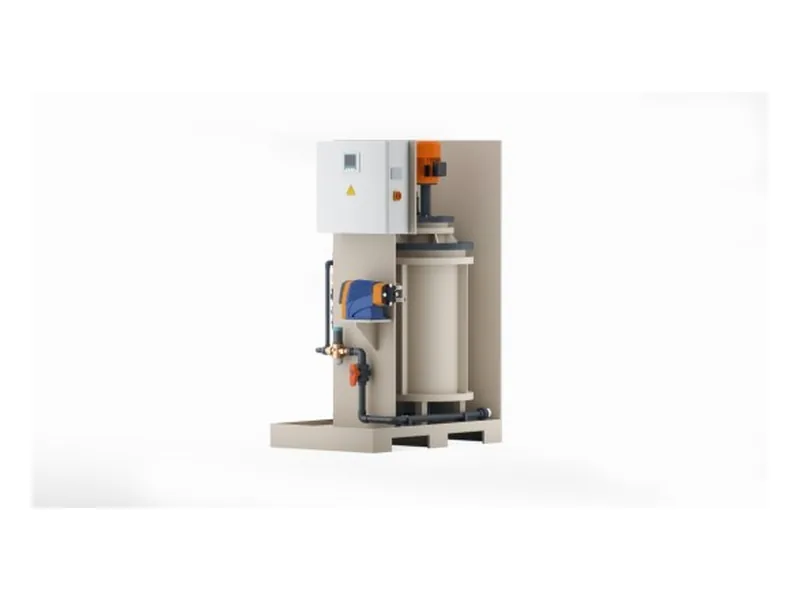
Figure 1: ProMinent Ultromat ULIa continuous polymer preparation unit. Image source: ProMinent official website
- A magnetic flowmeter on the sludge feed line measures sludge flow.
- The polymer metering pump takes that signal and doses in proportion.
- Where sludge concentration swings widely, a sludge density meter adds a dry solids calculation.
- Operators check cake and filtrate once per shift and trim the ratio if needed.
Dose calculations and unit conversions are covered in PAM dosage calculation, and system sizing in sludge dewatering dosing system selection.
Make-down and feed equipment
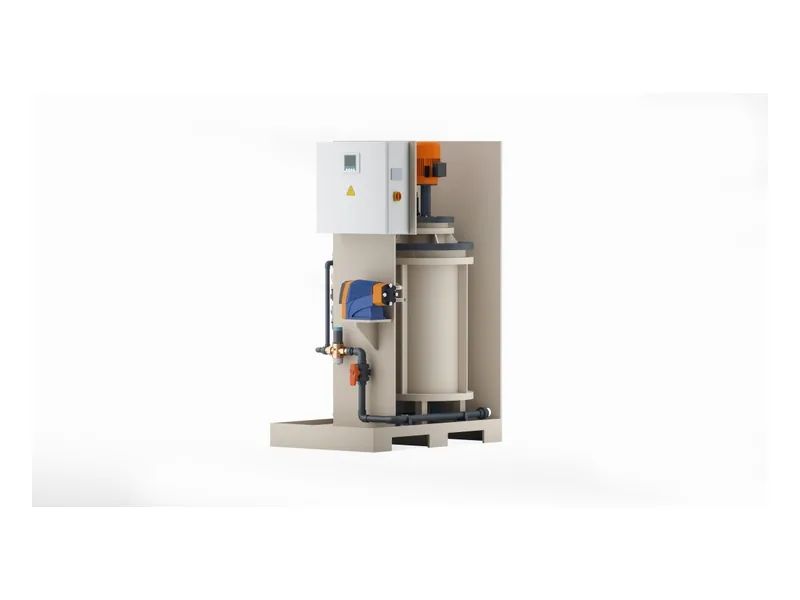
Belt presses use a lot of polymer. For continuous powder make-down, three-chamber automatic units are common: one chamber dissolves, the second ages, the third stores solution for the feed pump, as explained in three-tank PAM dosing systems. The ProMinent Ultromat ULIa is a continuous polymer preparation unit of this type; see the ProMinent brand page and the dosing skid category for alternatives.
Belt press polymer feed pumps are usually progressing cavity pumps or diaphragm metering pumps with large valves. Belt press polymer solution is typically prepared around 0.1–0.3%, and some sites add inline post-dilution before the reactor so the solution disperses more evenly in the sludge.
Troubleshooting belt press polymer problems
The issues that come up most often:
- Belt blinding: water pools in the gravity zone and the fabric clogs. Floc is too small, or overdosing has made the sludge sticky. Check wash water pressure and nozzles at the same time.
- Side extrusion: sludge squeezes out at the edges of the press zone. Floc is not tough enough, or the feed exceeds design capacity.
- Wet cake: floc does not withstand pressure. Try a higher molecular weight grade, or slow the belt to lengthen gravity drainage.
- Sudden jump in polymer use: sludge character has changed, perhaps chemical sludge mixed in or aged sludge. Retest.
Before cleaning belts, changing nozzles or opening polymer lines, stop the press and pumps and apply lockout. Getting caught at a roller nip is the most serious hazard on a belt press.
Conclusion
Good belt press polymer dosing has to satisfy fast drainage in the gravity zone and strong floc in the press zone. Choose the grade with drainage tests and machine trials, leave flexibility in the injection point, pace the dose to sludge flow, and use a three-chamber make-down unit for continuous dissolving and aging. When the belt blinds or sludge extrudes, check the polymer first, then the belt and wash system. Send your sludge type, throughput and existing equipment through the contact page and we will size the make-down unit and feed pumps.
FAQ
How is belt press polymer dose set?
Determine use per tonne of dry solids by testing, calculate from sludge flow and solids content, then trim on the machine by watching cake and filtrate.
Why is water pooling in the gravity zone?
Usually small floc or overdosing that makes the sludge sticky, though poor belt washing can cause it too, so check both.
Can belt press polymer also serve a centrifuge?
Not necessarily. Centrifuges need shear-resistant floc while belt presses need fast drainage, so screen them separately.
Progressing cavity or diaphragm pump for polymer feed?
Progressing cavity pumps are common for large, viscous feeds; diaphragm metering pumps with large valves give easier calibration and accuracy.
Should I retest when sludge sources change?
Yes. A change in organic content or particle size can make the current grade and dose unsuitable.