
Tailings Water Reuse Dosing for Clarified Process Return Water

A thickener overflow that looks clear is not automatically ready to go back into the mill. Tailings water reuse dosing has a different job from an effluent plant: the water has to be good enough for grinding, flushing or a concentrate filter after many cycles. Residual polymer, hardness and sulfate tend to accumulate. This article is for plant water and equipment staff. It covers clarification, pH correction and scale control before reuse, not how collectors or frothers are fed to flotation.
What tailings water reuse actually has to deliver
If the return water only tops up a pond or washes a road, turbidity can be looser. If it feeds a mill or a hydrocyclone, both turbidity and leftover chemicals have to be tighter. The first decision in tailings water reuse dosing is the user of the water, not the catalog of a generic wastewater skid.
Solids will settle in a thickener or a tailings dam. Dissolved calcium, magnesium and sulfate will not. After a few cycles, a circuit that looked fine on turbidity can start scaling return pipes and spray nozzles. Tailings water reuse that stops at coagulant and never adds a scale or pH step often fails this way.
A practical order is: write down the turbidity and pH the user can accept, check whether the existing thickener or pond can settle the solids, then decide whether an antiscalant or an acid/caustic pump is needed on the reuse discharge. Do not size a full wastewater package before that is clear.
Clarifier chemicals for tailings water reuse
Most tailings water reuse starts with clarification. Fine slimes settle slowly on their own. A coagulant is usually fed first to destabilize the charge, then a polymer such as PAM is fed so the flocs can grow. The coagulant injection point should sit at a static mixer or a rapid-mix zone. The polymer needs aging time and a short contact stretch after that. Placement details are in coagulant dosing point selection.
Jar tests have to use the actual return-water sample. A dose copied from another mine will drift as ore, grind size or pulp density changes. For tailings water reuse, read both supernatant turbidity and how fast the sample filters. A pretty floc in the beaker is not enough.
PAM has to be dissolved and aged before it is pumped. Under-aged polymer leaves gel in the line, sticky overflow and leftover polymer in the return water. Aging guidance is in polymer aging time. A make-down that is too strong is hard to pump; one that is too weak empties the day tank too often. Overdosing polymer is a tailings water reuse problem that many write-ups skip. The overflow can look excellent while residual PAM rides back into the pipe and coats nozzles. It is usually better to give the thickener more detention than to push polymer until the water feels viscous.
pH and scale control on the return line
Once the water is clear, tailings water reuse still has to answer two questions: does the user need a pH window, and is scale already showing up in the reuse line? If either answer is yes, pH correction and antiscalant should have their own pumps and discharge lines. Do not tee an acid pump into the coagulant header.
pH is commonly trimmed with dilute sulfuric acid or caustic. Some sites use milk of lime. Lime is a slurry: valves and pipe should be chosen for solids, and the line should be flushed after a stop so settled lime does not seize a valve. Acids and alkalis are corrosive. Depressurize the line and wear protection before opening a pump head. Antiscalant is usually injected at the reuse-pump discharge, before a long transfer main or a bank of nozzles, and paced to reuse flow. The longer the water circulates, the more hardness climbs, so this feed is often added later, yet it is what keeps tailings water reuse running for months. Match the product to the scale you actually see. A cooling-tower formula is not a substitute. Chemical families used in tailings water reuse are summarized in wastewater treatment chemicals. Sample both the reuse-pump discharge and the user inlet. A single grab at the thickener launder will miss scale in the pipe.
Pumps and injection points for tailings water reuse
Coagulant, PAM, acid or caustic, and antiscalant should have separate pumps, pipe and tanks. PAM is viscous, so keep the suction short and a little oversized, and put a back-pressure valve and a pulsation damper on the discharge so pressure swings on the thickener feed line cannot push chemical back into the pump. ProMinent Sigma X motor-driven pumps such as the S1Cb are a common fit for continuous coagulant, pH and antiscalant feed. For polymer make-down, a preparation unit such as Ultromat ULPa is easier to keep consistent than a tank mixed by hand. Head materials follow the chemical. Compare packaged layouts on the ProMinent brand page and the dosing skid category.
If flow and turbidity are steady, a manual stroke with regular calibration can be enough. If the thickener feed swings, pace coagulant and polymer to flow and close the loop on pH with an online analyzer. Confirm actual flow with a calibration column; do not trust the stroke dial alone.
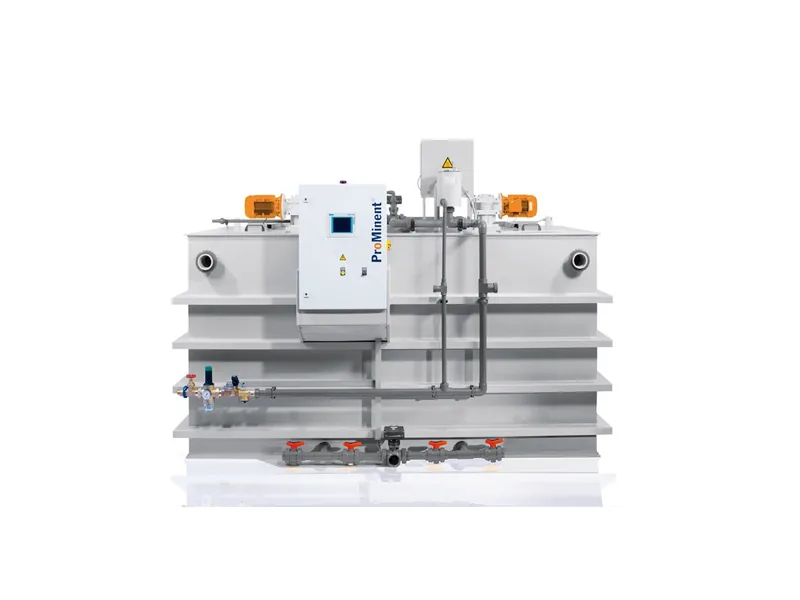
Figure 1: ProMinent Ultromat ULPa polymer preparation system. Image source: ProMinent official website
- Do not shoot coagulant straight into the thickener feedwell with no mix
- Do not collide PAM and coagulant at one point
- The acid injection valve needs a check function so return water cannot siphon into the chemical line In an unheated chemical room in winter, aged PAM thickens and the pump may lose prime. Insulate the tank and the suction line; opening the stroke to 100% will not fix a cold, viscous solution.
When underflow goes thin or overflow goes dirty, check feed density and polymer aging before you change pump setpoints. If a user reports plugged nozzles, look beyond grit: an antiscalant pump that has been down, a pH excursion, or leftover PAM film are just as common in tailings water reuse. If you have flow, pressure, chemical concentration and the reuse destination ready, contact us for sizing and we can check the pumps and the skid against that tailings water reuse duty.
Conclusion
Tailings water reuse dosing should be built around where the water is going, not around a discharge-style chemical list. Coagulant and polymer handle solids, acid or caustic holds pH, and antiscalant protects the reuse network. Keep those feeds on separate pumps. Set doses with jar tests and online readings, and watch residual PAM and ion buildup. Once the destination and the water-quality target are clear, size the equipment from flow, pressure and the chemical, rather than picking a pump first and fitting the process around it.
FAQ
Is clear overflow enough for tailings water reuse?
No. Clarification only takes out suspended solids. Return water still has to meet the user's pH, hardness and residual-polymer limits, or the mill, wash water or nozzles will suffer.
Does a higher polymer dose always give a cleaner overflow?
No. A heavy dose can make the overflow look good while residual PAM rises in the return water and coats pipe and nozzles. Use a jar test to find the lowest dose that still settles.
Does pond water still need chemicals before it is reused?
It depends on turbidity and dissolved ions when the water is pumped back for tailings water reuse. If the pond has already settled well, you may only trim pH or add antiscalant. If the water is still dirty, it still needs a clarification step.
When is lime better than caustic for pH?
Lime is often used when the site already has a lime system and also needs more alkalinity, but the line can settle and must be treated as a slurry. If you only need a tight pH trim, caustic is cleaner and easier to meter steadily.
If the reuse pipe scales, should we raise the antiscalant dose first?
Check first that the pump is actually feeding, the injection valve is open, and pH has not drifted. Extra antiscalant will not fix a stopped pump or a pH excursion. After the feed is confirmed continuous, use water quality and a scale sample to decide whether the product or the dose should change.