
Resistivity Meter or Conductivity Meter: What Ultrapure Water Needs
Electronics plants, pharmaceutical purified water and laboratory ultrapure loops often show MΩ·cm on the panel, while reverse-osmosis permeate is usually read in μS/cm. That leads some buyers to think a resistivity meter and a conductivity meter are completely different instruments. Both measure how well the water conducts. Resistivity is the reciprocal of conductivity. The real differences are range, resolution, the flow cell and the display habit. Choose the wrong range and the low end goes soft, and so do the alarms. This note is for instrument and high-purity technicians. Temperature compensation is in conductivity temperature compensation. General selection is in online conductivity meter selection.
How a resistivity meter differs from a conductivity meter in practice
A conductivity meter displays the cell signal in μS/cm or mS/cm, with a range that can run from pure water into a strong brine, depending on the cell constant. A resistivity meter usually shows the same kind of signal in MΩ·cm or kΩ·cm, with the range concentrated at the high-purity end and the resolution built for figures such as 18.2 MΩ·cm. In theory, about 0.055 μS/cm corresponds to about 18.2 MΩ·cm at 25 °C, so these are not two separate physical quantities. When a site asks for a resistivity meter, it usually wants a conductivity measurement system that can resolve the high-resistance end of ultrapure water in a stable way.
Cell constant, temperature compensation and a sealed flow cell matter equally on both. Carbon dioxide and bubbles in ultrapure water raise conductivity and therefore lower resistivity, which looks like a quality drop. The compensation reference is generally 25 °C, with a pure-water coefficient, not a cooling-water coefficient. A ProMinent DULCOTEST conductivity sensor on a suitable transmitter can also display resistivity, if the range and the compensation are set for pure water. If a side stream needs chemical feed, a NEWDOSE Ecodose mechanical diaphragm pump can be used, kept strictly off the sample line of the resistivity meter.
Do not share calibration solutions and flow cells between a concentrated-service conductivity meter and a pure-water resistivity meter. Residual salt will keep a high-resistance reading from coming up.
When you need a resistivity meter, and when a conductivity meter is enough
Electronic-grade ultrapure water, a polishing mixed-bed outlet, and any loop that must watch 16 to 18 MΩ·cm are easier to run on a resistivity meter, because operators already read a rising resistance as a cleaner water. Reverse-osmosis permeate, ordinary demineralized water and cooling-water make-up are well served by a conductivity meter. The μS/cm display also compares more easily with a discharge limit or with cycles of concentration. One plant can use both displays, but reports and alarms must state the unit, so 0.1 μS/cm is not confused with 10 MΩ·cm.
If an existing conductivity meter cannot resolve the low end, or if compensation was set for concentrated water, changing the display unit does not turn it into a proper resistivity meter. Look at the cell constant, the resolution and whether the flow cell is built for pure water. Conversely, putting an ultrapure resistivity meter on cooling water or a dosing line will abuse the range and the cell, and contamination may prevent a return to high resistance.
Cooling-water control should stay on conductivity, as in conductivity monitoring for cooling water cycles. Brand pages are on ProMinent.
A selection and mounting list for a resistivity meter
Before you order or rebuild, walk through these points:
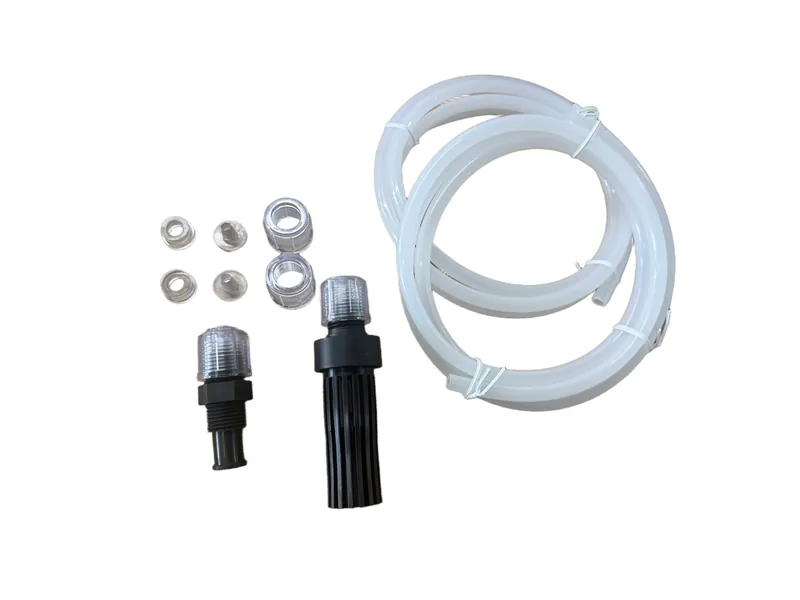
Figure 1: NEWDOSE Ecodose kits. Image source: NEWDOSE official website
- Does the process watch high-end resistance on ultrapure water, or conductivity on RO and demineralized water?
- Are the cell constant, the sealed flow cell and the temperature compensation set for that water?
- Can the transmitter show the required unit, and is the alarm written in the correct unit?
- Could the calibration and rinse procedure carry concentrated standard into the pure-water point?
- Could sample-line length and material pull resistivity down at the point of use?
Flush a new resistivity meter with acceptable pure water until the reading is near the baseline before you put it on watch. A probe that just came out of air can carry carbon dioxide, so the first hours of resistance may look low. That is not automatically an ionic leak. Write that into the handover note so the first shift does not condemn the resin.
After a piping change, new fittings can also hold resistivity down until they have been flushed. A low night-time flow at a remote use point should not be compared directly with a resistivity meter reading under continuous supply.
Keep a short record of the unit, the reference temperature and the last verification next to the transmitter. If someone switches the display from resistivity to conductivity during a shutdown and forgets to switch it back, the next alarm set will be meaningless. Train the shift to read the unit first, then the number.
When two readings disagree, align the unit and the temperature first
If the laboratory reports conductivity and the online instrument reports resistance, convert to the same temperature before you compare. A small gap is often compensation or a bubble, not a “different principle.” Cleaning, venting and sealed measurement are the same on both. Do not trim the temperature coefficient of a resistivity meter just to match a beaker check.
Alarms must also follow the unit. Writing a 0.2 μS/cm intent as 0.2 MΩ·cm will either stay silent until the water is unusable, or the other way around, will chatter all day.
Conclusion
A resistivity meter and a conductivity meter measure the same property. The difference is range, resolution and display habit. Use a resistivity meter when you must watch high-end resistance on ultrapure water; a conductivity meter is usually enough for RO and ordinary demineralized water. The flow cell, temperature compensation and protection from carbon dioxide matter on both. Send the water grade, the current instrument and the alarm unit, and contact us so we can say which display and which cell you need.
FAQ
If I switch a conductivity meter to show resistivity, is it a resistivity meter?
If the cell constant, resolution and compensation were already built for pure water, a display change can be enough. If the range and the flow cell are wrong, changing the unit is not enough.
Must the loop reach 18.2 MΩ·cm?
That figure is close to theoretical pure water at 25 °C. Real systems are limited by piping and points of use and may not sit there all day. Use the site specification after compensation, not a headline number alone.
Does a resistivity meter need temperature compensation?
Yes. Uncompensated resistance follows temperature and is easy to misread as a quality change.
Can I put a resistivity meter on cooling water?
No. Cooling water has a high conductivity and should use a conductivity meter. The range and the cell of a resistivity meter are not made for that service.
Why is a new resistivity meter reading low?
Carbon dioxide from air, leaching fittings or incomplete flushing are common. Seal and flush the line before you decide the resin or the membrane has failed.