
Silica Analyzer for Boiler Feedwater: Sample Points and Readings
A silica analyzer measures dissolved (reactive) silica in demineralized water, boiler feedwater and steam, usually in the low µg/L range. Plants install one because conductivity barely moves when silica starts to leak from an anion bed, and silica that reaches the turbine leaves glassy deposits that are slow and expensive to remove. This guide is for power plant chemists, boiler house operators and the engineers who write the instrument list.
Where an online silica analyzer earns its place
Most plants put a silica analyzer at four kinds of sample point:
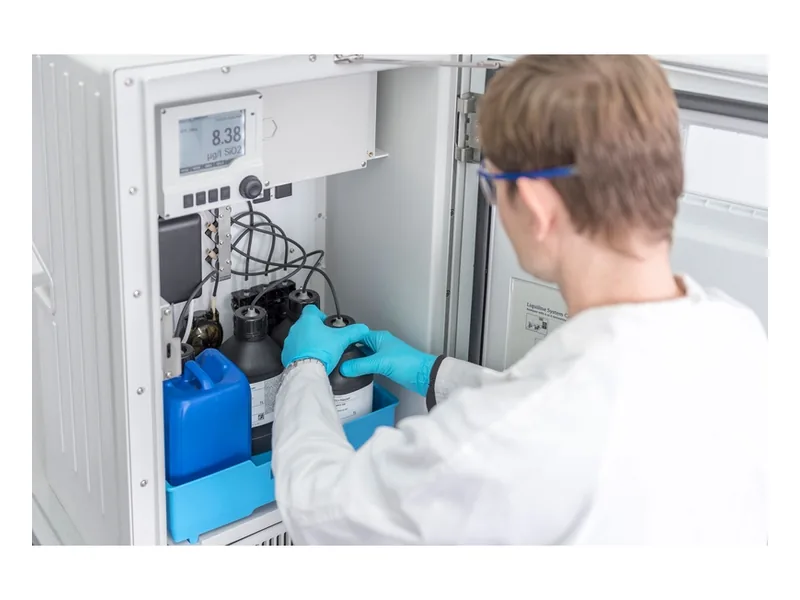
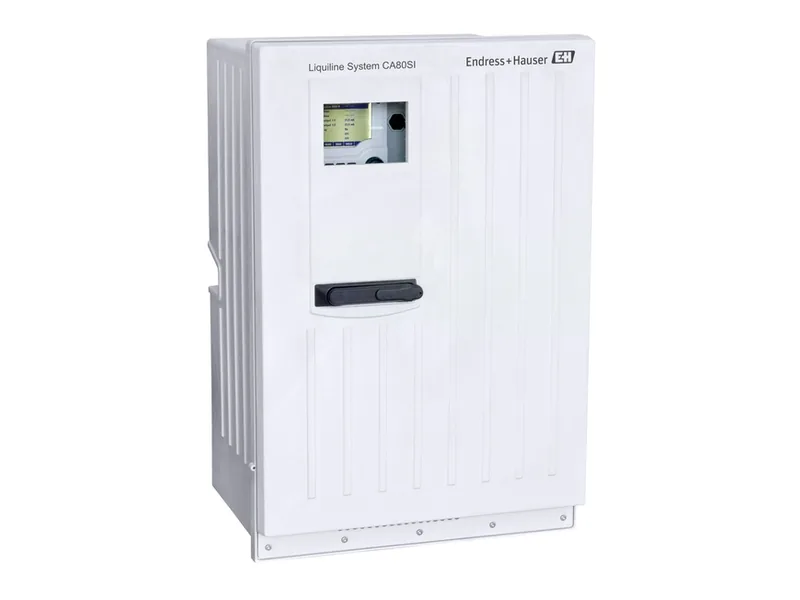
Figure 1: Endress+Hauser Liquiline System CA80SI silica analyzer. Image source: Endress+Hauser official website
- Strong base anion outlet. Silica is the first ion to slip when the resin nears exhaustion, so this is the early warning point for regeneration.
- Mixed bed outlet. The final polishing check on makeup water, read together with cation conductivity.
- Demin storage tank or makeup header. Confirms that what goes to the deaerator is on spec.
- Feedwater, boiler water and saturated steam. Common on high pressure units, where silica carryover into steam is the main concern.
A multi-channel silica analyzer can switch between several streams. It saves panel space and reagent, but every added channel stretches the update interval for the others, and each switch needs a flush so the previous stream does not contaminate the next reading. If the anion outlet is your regeneration trigger, give it a dedicated channel position near the front of the sequence or a separate silica analyzer.
How the molybdenum blue method works
Nearly every online silica analyzer uses a colorimetric chemistry with three stages:
- Under acidic conditions, molybdate reacts with reactive silica to form yellow silicomolybdic acid.
- Oxalic acid (or a similar reagent) is added to destroy the phosphomolybdate complex, which matters a lot on phosphate-treated boiler water.
- A reducing agent converts the yellow complex to molybdenum blue, and a photometer reads the absorbance.
Two limits are easy to forget. A silica analyzer of this type sees reactive silica only. Colloidal silica does not develop color, so a normal reading does not prove the water is silica-free; plants with high colloidal silica in the raw water should run periodic total silica tests in the lab. The color reaction is also temperature dependent, which is why a silica analyzer typically controls the reaction temperature or use a fixed reaction time. Leave that setting alone unless the manufacturer tells you otherwise.
The Endress+Hauser Liquiline System CA80SI is one example of a colorimetric silica analyzer that can be configured with multiple channels for demin and steam-water sampling. Check its datasheet for range and channel options rather than assuming.
What a rising silica reading is telling you
The response depends on which sample point is climbing.
Anion and mixed bed outlets
Strong base anion resin holds silica least tightly, so silica breaks through before conductivity does. A steady climb on the anion outlet silica analyzer usually means the unit is close to end of run. If silica is high right after regeneration, check caustic concentration and temperature, or suspect organic fouling of the resin.
A sudden jump on the mixed bed silica analyzer points to breakthrough, poor resin mixing after regeneration, or a leaking valve that lets untreated water bypass the bed. Stop sending water from the demin tank until you know which, rather than waiting for boiler water silica to confirm it.
Boiler water and steam
Rising boiler water silica often traces back to makeup water, condenser in-leakage, or blowdown that is set too low. The higher the drum pressure, the more silica dissolves in steam and the more it deposits in the turbine, so high pressure units hold boiler water silica to a limit tied to operating pressure. Increase continuous blowdown before anything else, then trace the source upstream. High steam silica with normal boiler water suggests poor drum separation or a high drum level causing carryover.
Sampling and reagent details that decide accuracy
At µg/L levels, small sampling mistakes give a silica analyzer believable but wrong numbers.
- Cool the sample through a sample cooler and keep flow and temperature stable. Low flow means long residence time in the line.
- Use plastic bottles for grab samples. Glass leaches silica.
- Run stainless steel or suitable plastic tubing and flush new lines well before trusting the data.
- Store reagents away from light. The reducing agent degrades with time and heat, and old reagent left in the tubing should be purged after every change.
How the sample panel works alongside the chemical feed system is covered in steam and water sampling with chemical dosing. For line sizing and lag time, see analyzer sample line design.
Calibration and routine checks
An online silica analyzer generally runs automatic calibration with a known standard. A more useful routine check is a weekly grab sample compared against a lab spectrophotometer. Only recalibrate when the difference stays outside your tolerance; chasing every small gap with a new calibration just moves the error around.
A reading that drops or flatlines is more dangerous than one that rises. Typical causes are empty reagent bottles, worn peristaltic pump tubing, a dirty measuring cell, or lost sample flow while the display holds the last value. Wire the "reagent low" and "no sample" alarms to the DCS so a stopped silica analyzer does not go unnoticed. Add cell cleaning and tubing checks to the weekly round using an online analyzer maintenance checklist.
Conclusion
A silica analyzer is the instrument that catches what conductivity misses. At the anion outlet it tells you when to regenerate, at the mixed bed it guards makeup quality, and on boiler water and steam it drives blowdown and protects the turbine. Choose the sample points and channel count first, then look at reagent use and maintenance load. Once running, watch sample flow, reagent age and cell cleanliness. Online silica analyzers from Endress+Hauser and other brands are listed under water quality analyzers. Send us your sample points, sample temperature and boiler pressure, and contact our engineers for a silica monitoring layout.
FAQ
We already have conductivity meters. Do we still need a silica analyzer?
Yes. Silica adds almost no conductivity, so an anion bed can leak silica while conductivity looks normal.
How many streams can one multi-channel unit handle?
It depends on the model and cycle time. More channels mean slower updates per stream, so keep fast-response points like the anion outlet on a short sequence.
The silica analyzer and the lab disagree. What should I check?
Confirm the lab sample was taken in plastic at the same time the analyzer measured. Then check reagent age and cell condition before you recalibrate the silica analyzer.
How often does a silica analyzer need new reagents?
Replace on consumption or shelf life, whichever runs out sooner. The reducing agent is sensitive to light and heat, so shorten the interval in hot analyzer rooms.
Does phosphate in boiler water affect the silica reading?
It can, which is why the method includes an oxalic acid step to suppress phosphate interference. Do not substitute reagents casually, or boiler water readings may come out high.