
TSS Sensor Placement and Range: Influent, Clarifier and Outfall
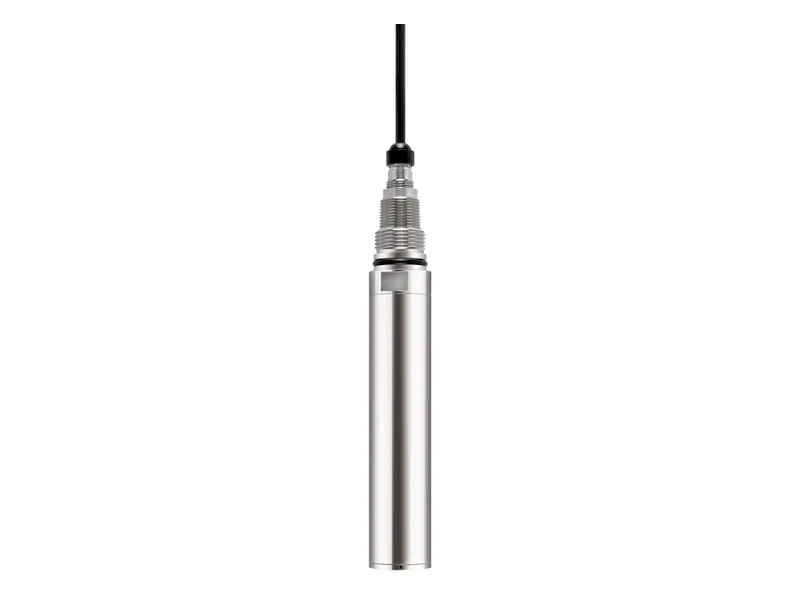
A TSS sensor in water treatment is usually an optical probe: it sends light into the water, reads what the particles scatter back, and converts that signal to mg/L using a correlation factor. Getting a trustworthy number depends on three things, picking the right sample point, matching the range to that point, and correlating the readings against lab gravimetric results on site. This article is for wastewater operators, commissioning engineers and the people who write the instrument schedule.
How an optical TSS sensor turns light into mg/L
Underneath, an optical suspended solids analyzer is measuring turbidity. The raw value is an optical signal, and a conversion factor turns it into a concentration. That factor depends on particle size, color and shape. The same optical signal can mean different TSS values for grit in raw influent and fine floc leaving a clarifier.
Treat the factory concentration curve on any TSS sensor as a starting point, not an answer. Many projects commission with the default curve and then wonder why online data and the lab disagree. The sensor is usually fine; the site correlation was never done.
The Endress+Hauser Turbimax CUS51D is an example of a digital sensor that measures both turbidity and suspended solids. It uses alternating multi-beam measurement to compensate for light window fouling and lets you select application curves per measuring point. Confirm ranges and curves in the datasheet for your application.
Choosing range by measuring point
Influent and preliminary treatment
Influent solids swing widely and carry grease, fibers and rags. Size the range for the high end, and mount the TSS sensor downstream of screens and grit removal if you can, otherwise wrapped debris makes the reading jump. Cleaning is the main issue here. Automatic cleaning is close to standard, and manual wiping will be needed more often than anywhere else in the plant.
Secondary clarifier effluent
At the clarifier outlet, online TSS measurement is mainly a solids carryover alarm. Concentration is low most of the time but can rise fast when settling deteriorates. The range has to resolve normal low values without saturating during a washout. Mount the TSS sensor downstream of the weir where flow is calm, not at the weir drop where bubbles form.
Final outfall
The outfall has the lowest solids and is the hardest point to measure well. A weak signal means bubbles, a thin film on the window, or sunlight in a shallow channel can all push the reading up. Choose a low range, high sensitivity TSS sensor here, and correlate it with samples close to real concentrations instead of extrapolating from high-solids samples.
Correlating a TSS sensor with lab results
Site correlation builds the link between the optical reading and gravimetric TSS. A practical sequence:
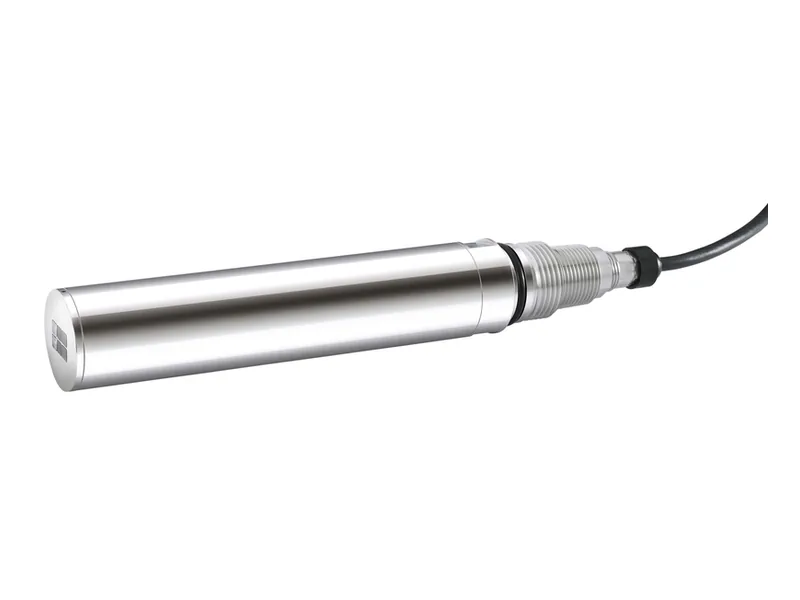
Figure 1: Endress+Hauser Turbimax CUS51D. Image source: Endress+Hauser official website
- Pick sampling times that cover the low, normal and high conditions this point usually sees.
- Take the grab sample right next to the probe and record the sensor reading at the same moment. If the times do not match, the pair is useless.
- Have the lab run gravimetric TSS: filter, dry, weigh.
- Fit the factor from several pairs, enter it in the TSS sensor transmitter, then verify with one or two fresh samples.
If the points scatter widely, stop before fitting and look at the sampling method, or at whether the process itself was changing. After a season change, a new influent source or a process change, particle properties shift and the factor should be checked again. Formazin standards and zero checks belong to turbidity calibration, covered in turbidity meter calibration with formazin. Solids correlation sits on top of that.
Mounting mistakes that ruin TSS readings
A large share of TSS sensor error comes from installation, and the same few mistakes keep coming back:
- Too close to a wall or floor. Backscatter probes pick up reflection from concrete and read high, and a probe near the floor draws in settled sludge.
- In a bubbly zone. Aeration edges, weir drops and pump discharges produce bubbles the probe counts as particles.
- Window facing the wrong way. Angled mounting with the window facing into the flow typically lets bubbles and fibers slide off. A window facing up collects sludge.
- Wrong position on a pipe. On horizontal pipe, avoid the top (gas) and the bottom (sediment). A side position is usually steadier.
Make sure the holder lets someone lift the probe out easily. If cleaning is awkward, it stops happening. For a jumping signal, the diagnosis steps in turbidity meter reading fluctuation apply to a TSS probe as well.
Aeration basin MLSS is a high-concentration application with different sensor choices and mounting logic; see MLSS sensor selection.
Conclusion
An online TSS sensor is easy to install and harder to make accurate. Choose range by point: generous headroom at the influent, a range that handles both low values and washouts at the clarifier, and low range with high sensitivity at the outfall. Correlate against gravimetric TSS on site and recheck the factor after process or seasonal changes. Mount away from bubbles, reflective walls and sediment, and keep the probe easy to clean. Suspended solids analyzers are listed under water quality analyzers. Send the measuring point, expected concentration range and mounting conditions, and contact our engineers to match a TSS sensor and holder.
FAQ
Can online TSS readings be used for compliance reporting?
That depends on your regulator. In most plants online TSS is for process control and trends, while compliance data follows the approved method.
Is a suspended solids analyzer the same as a turbidity meter?
The optics are similar. A turbidity meter reports NTU or FNU, while a TSS sensor adds a site-specific conversion and reports mg/L.
How many samples do I need for a correlation?
There is no fixed number. Cover low, mid and high conditions and take two or three samples at each, so the factor reflects normal variation.
The outfall TSS sensor reads higher than the lab. Where do I start?
Check for bubbles and window fouling first, then direct sunlight and wall reflection. Adjust the factor only after those are ruled out.
How often should an influent TSS probe be cleaned?
It depends on grease and fiber load. Watch whether the reading creeps up and drops right after a wipe; that pattern tells you the right interval.