
Ozone and Chemical Dosing: Get the Order Right
Many plants put the generator and the chemical skid in the same room and call the job finished. The real check is the order of ozone and chemical dosing. Ozone should finish its oxidation or disinfection work first. Residual ozone in the water should fall to a level that will not wreck the downstream chemicals, and only then should coagulant, polymer or acid and caustic be added. This piece is for process and controls staff. It is not a manual on how to size generator output or how the corona discharge cell works. The question here is only how ozone and chemical dosing should follow each other.
Why the generator still needs a chemical skid behind it
Ozone can take out color, some organics and odor, and it can disinfect. After the contact tank, particle surfaces and organic matter have often changed. Turbidity or color does not always improve on its own, so a coagulant is still used to gather the fines, and a pH trim or a reductant is sometimes used to quench leftover ozone. That is why ozone and chemical dosing usually travel together on the same process train, even when they sit on two different skids.
A common mistake is to inject the chemicals straight into the ozone contact tank, hoping to oxidize and coagulate at the same time. Residual ozone in that tank is high. Many polymers lose their effect, and floc does not grow well in a strong oxidizing environment. Let the water finish contact, and any needed residual decay or off-gas destruction, before it reaches the mix and flocculation stage. How those duties differ from a Fenton train is covered in Fenton reagent dosing vs ozone advanced oxidation. Do not mix the two chemistries in the same basin.
How to line up ozone and chemical dosing
Work through the sequence in this order:
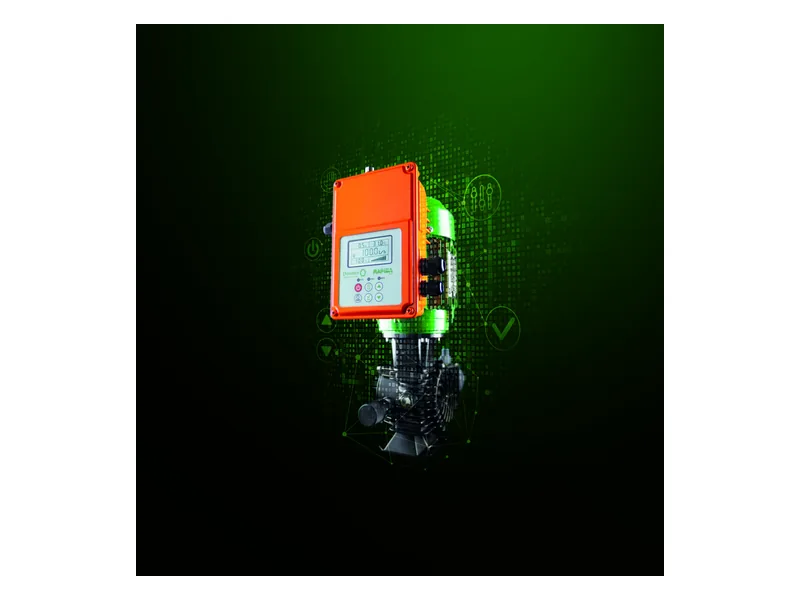
Figure 1: Doseuro dosing control cabinet. Image source: Doseuro official website
- Is the ozone step there for color, odor and micropollutants, or for disinfection? The duty sets contact time and the residual ozone target.
- Will coagulation, flotation or a pre-filter dose follow? If it will, put that dose where residual ozone has already dropped.
- Is there a dedicated residual-ozone destruct step, such as off-gas destruct or a reductant? If there is, do not put the chemical tap ahead of it.
- Should acid or caustic sit before or after ozone? Let water quality and corrosion control decide. Do not dose acid into the contact tank just to save a pipe run.
A stable ozone and chemical dosing train looks like this: ozone contact, then residual decay or off-gas destruct, then coagulant mix, then flocculation and settling or filtration. In some tertiary plants the order is reversed: coagulate and settle first, then let the generator treat already-clarified water for color or micropollutants. Both can work. In any ozone and chemical dosing layout, the rule that does not change is to keep a high ozone residual away from the chemical injection point.
Where to put a coagulant tap is covered in coagulant dosing point selection. How to monitor dissolved ozone and room leaks is in dissolved ozone analyzer vs ambient ozone gas monitor. Generator output has to agree with those readings. Do not run ozone and chemical dosing from the generator panel setpoint alone.
Field traps that show up after the skids are in
The most typical failure we see is a polymer quill sitting just downstream of the contact tank outlet. Residual ozone is still high, the polymer is oxidized before it can open, floc stays fine, and the shift only turns the pump up. Check residual ozone first, then move the tap downstream if you have to.
Another trap is a missing interlock between the generator and the chemical pumps. If the generator stops, residual ozone in the basin falls quickly. If the coagulant keeps firing at the old rate, you will overfeed or underfeed. The other way around is just as messy: the generator has only just started, residual ozone is still climbing, and the chemicals are already at the "normal" rate. A safer habit is this: on a generator fault or an ozone leak alarm, do not leave ozone and chemical dosing on the old curve until you have checked the water and the instruments.
Winter adds a line problem to ozone and chemical dosing. Some reductants and strong solutions thicken or throw crystals in the cold, and the discharge line may run through a ventilated generator room or an unheated trench. Keep the run short, avoid dead legs, and use heat tracing or a warmer skid location if the room is kept cold for ozone ventilation.
Materials for ozone and chemical dosing have to cover both residual ozone and the chemical. Elastomer seals near sample lines and quills in ozonated water age faster than they do on a plain water line. On the chemical side, choose PVC, PVDF or another compatible material for the coagulant or the acid. Equipment options are on the metering pump page and the Doseuro brand page. Before you open a contact tank, an off-gas line or a pump head, confirm the generator is stopped, residual ozone has fallen, and the line is depressurized, and wear eye and respiratory protection. Do not use your nose to "test" an ozone leak.
Conclusion
Ozone and chemical dosing work when the order is kept: oxidize or disinfect first, then dose after residual ozone has dropped. Keep chemicals out of the contact tank, and do not throw polymer in before off-gas destruct has done its job. Set the ozone duty and the residual target first, fix the coagulant or pH tap next, then size the metering pump and the materials for the chemical. Send us the water flow, contact time, residual ozone and the downstream chemical names, and we can check the feed points and the pump against your duty.
FAQ
Can we inject coagulant straight into the ozone contact tank?
No. Residual ozone in the tank is high, polymers lose effect, and floc does not grow well. Wait until residual ozone has dropped, then dose at a proper mix point. That is the basic rule of ozone and chemical dosing.
If the generator trips, should the chemical pumps stop too?
Do not apply a blanket stop, and do not leave the old curve running. Look at the water quality and the residual ozone first. On a generator fault or a leak alarm, ozone and chemical dosing have to be checked again; do not pretend the ozone is still there.
Can we coagulate first and then start the generator?
Yes, especially when raw-water turbidity is high and ozone and chemical dosing put coagulation first, with ozone used mainly for color or micropollutants after clarification. Clearing the solids first often makes the generator more stable. If the ozone duty is to change later coagulation, put the generator ahead of the coagulant and repeat the jar test.
Residual ozone is high. Do we raise the chemical dose or move the tap?
Move the tap downstream, or improve residual decay, before you raise the dose. Turning the pump up usually just replaces chemical that ozone has already destroyed, which wastes product and stays unstable. Ozone and chemical dosing should not be used to cancel each other.
Do we size the metering pump on the generator output?
No. Size the pump on the largest downstream chemical dose you expect, with margin. Generator output sets contact and residual ozone; it does not set coagulant flow. Have the water flow, solution strength and target dose ready, then ask us to check the pump. Ozone and chemical dosing are sized as two duties, not as one airflow number.