
UV and Chlorination: Split the Kill and the Residual
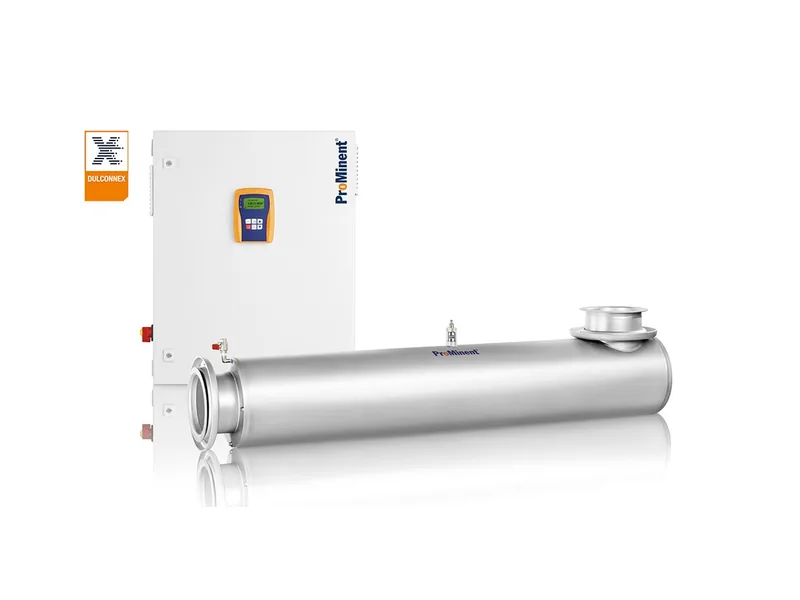
Ask a plant how UV and chlorination should share the job, and the short answer is a split of duties, not a choice of one or the other. UV inactivates microbes in a few seconds as the water passes the lamps, then that effect stops at the reactor outlet. Chlorine, usually as sodium hypochlorite on a metering pump, leaves a residual that travels into the network and keeps the far mains from growing a biofilm. This piece is for process and controls staff adding or already running both barriers.
What UV and chlorination each actually do
UV is a physical barrier. If the dose in the reactor is high enough, microbes are inactivated before the water leaves the vessel. There is no lasting residual. A long network will not stay biologically quiet on UV alone, which is why a leaving residual still matters on potable supplies and on many reuse mains.
Chlorine can hold that residual, which is why it has stayed in so many plants after UV was added. The cost is familiar: when the water is rich in organics, a heavy chlorine dose pushes disinfection by-products up. Plants adopt UV and chlorination to let UV carry the instant kill, then feed only the small chlorine dose the network needs. You can cut the chlorine dose. You should not delete the chlorine step. That is the point of UV and chlorination.
Pump wetted parts and tubing still have to tolerate an oxidant, and the injection quill should sit in the main flow. Equipment options are on the metering pump page and the ProMinent brand page. Gas chlorine versus hypochlorite is covered in liquid chlorine vs sodium hypochlorite dosing.
Where to put the UV reactor and the chlorine tap
Work through the placement in this order:
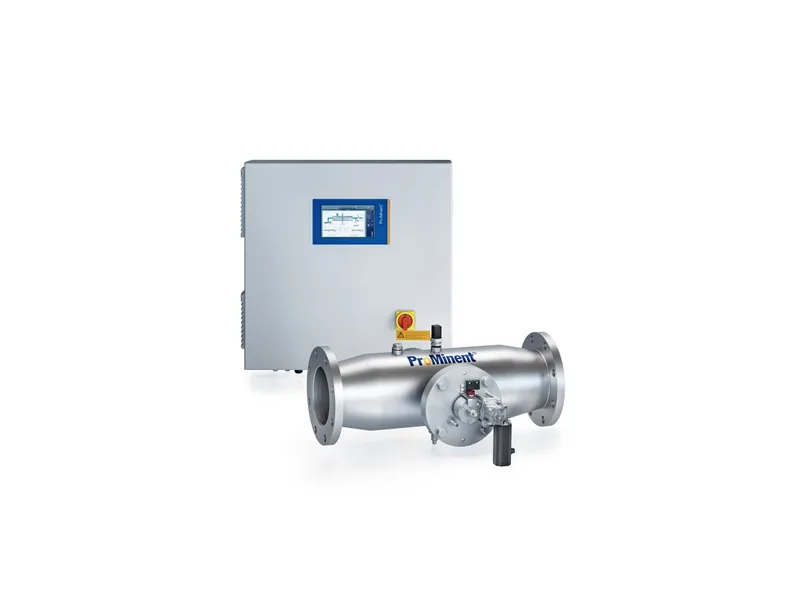
Figure 1: ProMinent Dulcodes MP UV system. Image source: ProMinent official website
- Is the water already filtered, with stable turbidity and UV transmittance? If not, fix pretreatment before you lean on the reactor.
- Does the network or the reuse main need a maintained residual? If it does, put a post-chlorination tap after the reactor or into the clearwell.
- Is a small pre-chlorine dose still needed for algae, ammonia, iron or coagulation aid? Keep it if you must, but cut it where you can. Do not park the entire chlorine load ahead of the filters.
- Sit the UV reactor after the filters and before the clearwell, so the lamps see clear water with a high transmittance.
A stable UV and chlorination train looks like this: filters, then UV, then a residual dose on the filtered-water line or at the clearwell. A light pre-chlorine dose plus a trim after UV can work, but a heavy pre-chlorine dose lowers transmittance, starves the UV dose, and forms by-products early. Once the order of UV and chlorination is wrong, later dose tweaks rarely fix it. Do not put the reactor on raw or turbid water: particles shade the light and foul the sleeves.
How to place chlorination taps is in pre-chlorination and post-chlorination feed points. The extra rule for UV and chlorination is the sample: take the residual away from the quill and the unmixed zone at the reactor outlet, or the analyzer will lie.
How to run the two control loops without fighting
UV and chlorination are two loops. Do not wire them so that one signal fights the other. The UV loop watches intensity, lamp hours and transmittance; the chlorine loop watches the leaving residual or a point in the network. A low residual should raise the metering pump frequency. That is not a reason to change a lamp, and a lamp-out alarm is not a reason to cut the residual.
After UV is in service, the post-chlorine dose can usually come down to the residual the mains need. Come down only after you know the UV dose is still adequate. When lamps age, sleeves foul, or transmittance drops, the UV barrier is already weakening. If the residual is cut at the same moment, both barriers slacken together. A safer interlock is the opposite: if UV intensity falls or the reactor alarms, do not let the chlorine dose fall with it, and be ready to raise the residual as a temporary barrier. On many UV and chlorination plants, that logic is written backwards in the PLC.
Closed-loop residual control is described in chlorine residual control between the analyzer and the hypochlorite pump. Size the pump on the largest post-chlorine trim you expect, with a modest margin. Hypochlorite is corrosive and can release chlorine gas. Ventilate the dosing room, depressurize and stop the pump before you open a head or a quill, and wear protection. Do not put acid and hypochlorite into the same unisolated line.
Field mistakes we keep seeing
The failures we see most often are mixed-up duties in a UV and chlorination scheme. A shift decides that UV is already killing everything and turns the post-chlorine pump down or off. The leaving sample still passes, and a few days later the far residual is zero and the water feels slimy. UV never owned the network. Turning the chlorine off leaves that stretch unprotected.
The opposite mistake is a heavy pre-chlorine dose followed by UV, sold as a double barrier. On a high-organic source that wastes chlorine, raises by-products, and pulls transmittance down so the reactor works harder for less effect. If pre-chlorine has to stay, keep it for algae, iron, manganese or coagulation aid, and let post-filter UV and chlorination carry the kill and the residual.
Winter changes chlorine demand and UV transmittance, but not on the same schedule. Do not copy a summer chlorine curve onto a winter UV condition. Fouled sleeves and expired lamp hours are the usual reasons a reactor falls short, and they have little to do with temperature. If the sample tap sits too close to the quill, the residual reading jumps and the pump hunts. A UV and chlorination plant should read the two instruments separately, not judge the whole train from residual alone.
Conclusion
UV and chlorination work when the duties stay split: UV for the instant kill, chlorine for the network residual, with filtered-water UV and a trim after the reactor. You can reduce the chlorine dose. You cannot drop the chlorine step. Confirm filtration and transmittance first, fix the reactor location next, then size the metering pump and the post-chlorine tap for the residual the mains need. Send us filtered-water turbidity, UV transmittance, the leaving residual and the residual at the far end of the network, and we can check the feed points and the pump against your duty.
FAQ
Can we turn the chlorine off once UV is running?
No. If the water still enters a distribution or reuse main, you still need a residual you can hold. UV has no lasting effect past the reactor. UV and chlorination can cut the chlorine dose; they cannot cancel it.
Should the residual be added before or after the UV reactor?
In a UV and chlorination train, add it after the reactor or in the clearwell, so it holds the leaving and network residual. If a pre-chlorine dose must stay ahead of the filters, keep it as light as the raw-water job allows, so transmittance does not collapse.
Can we lower the chlorine dose before the lamps are replaced?
Do not lower it first. Confirm the UV dose is still adequate, then consider a cut. When lamps are old or sleeves are fouled, restore the UV first, and be ready to hold the residual a little higher until the reactor is healthy again.
If transmittance drops, do we adjust UV or chlorine?
Check filtration, sleeve cleaning and lamp hours first. That is a UV-side problem. Raising pre-chlorine to help often makes transmittance worse. Adjust post-chlorine only against the network residual, unless the reactor has already alarmed and you need a temporary barrier.
Can we size the metering pump on the old, pre-UV chlorine rate?
No. Once UV is in service, post-chlorine is usually only a residual trim, often lower than a chlorine-only plant, but still size on the largest post-filter trim you expect, with margin. Have the water flow, the target residual and the solution strength ready, then ask us to check the pump. A UV and chlorination duty is sized on that trim, not on the old full chlorination rate.