
Coagulant Dose Control: From Jar Test to Online Adjustment
Coagulant dose control in a drinking-water plant is not “run one jar test and lock the pump.” The jar test gives a starting coagulant dose for that day’s raw water and temperature. The number that actually goes to the plant has to be converted to a pump rate from the production flow, then trimmed as raw-water turbidity, temperature, pH and online instruments move. Fine, weak floc and a muddy settler usually mean the coagulant dose is too low. Large, fluffy floc and a filter that clogs early often mean it is too high. This article is for plant operators and chemical-service staff who need to take a jar result into online control. It is not a PAC-to-PAM ratio guide.
Why coagulant dose control cannot rest on a single jar test
Raw water is not a constant. A rain event, an algal pulse, or a shift in temperature or pH can make yesterday’s coagulant dose miss the mark. The jar test is useful because it compares several doses under controlled mixing and shows which one forms a tight floc, a clear supernatant and a reasonable settling rate. It is not a year-long prescription. Plants that write that one result into the SOP and leave it untouched for months end up chasing filter turbidity with large, late swings of the pump.
Where the chemical is injected — an in-line mixer or a flash-mix tank — is a separate question, covered in coagulant dosing point selection. The PAC-to-PAM ratio and the order of those two products are covered in PAC and PAM ratio; that article does not tell you whether this milligram should go up or down. How the floc itself looks is discussed in how to judge PAC and PAM flocculation. Coagulant dose control has to be kept distinct from “where to feed” and “how the two chemicals are paired.”
How to turn a jar result into a plant coagulant dose
Use the same day’s raw water, at a temperature close to the plant inlet. Match mix energy and flocculation time to the real detention in the works, rather than a generic lab recipe. Judge the jars by supernatant clarity, floc strength and settling, not by which beaker simply “looks nicest.” When two neighbouring doses look similar, start with the lower one that still produces clear water, then trim on the plant. That is usually safer than taking the richest jar as the official coagulant dose.
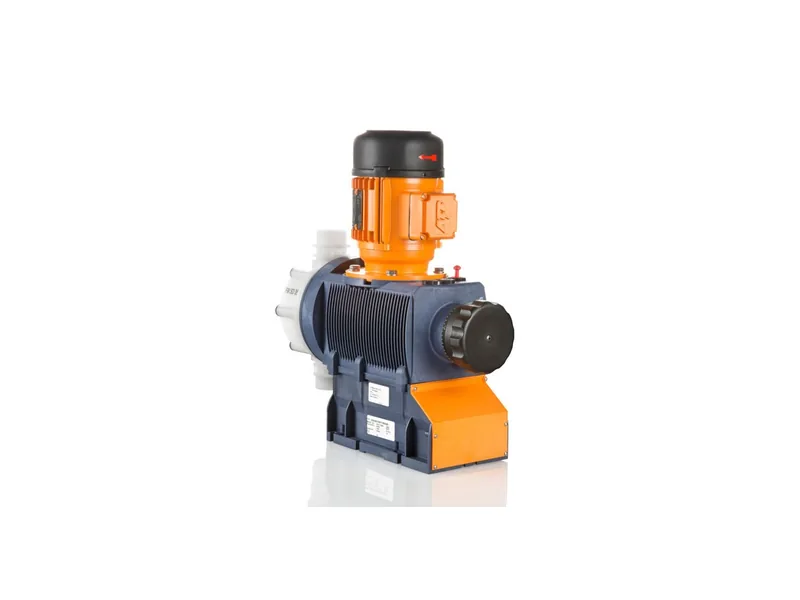
Convert the jar result into a pump rate from inlet flow and the actual strength of the product. If liquid PAC has already been diluted in the day tank, do not still use the as-delivered concentration. A ProMinent motor-driven diaphragm pump such as the Sigma range is a common fit for this continuous duty; stroke and frequency can both be changed. See the ProMinent brand page and the metering pump range. Wear eye and chemical protection, and depressurize the line before you open it.
Taking coagulant dose control from the bench to online signals
Once you have a starting coagulant dose, daily changes should follow raw water and flow. When inlet flow changes, the pump output should change in proportion; a flow-paced signal is the usual way to do that. If raw-water turbidity or organics rise clearly, raise the coagulant dose in a small step and watch the floc and the settler, rather than opening the stroke all the way on the first move. Cold water slows the reaction, so the same coagulant dose can look short; a modest increase, or a check that mixing is still adequate, is the first response.
Plants with a streaming-current detector or a similar instrument can close coagulant dose control around that signal and let the pump follow a setpoint. Plants without it can still close the loop on settled-water turbidity, filtered-water turbidity and floc appearance. Change one small step, wait until that water has cleared the settlers and the filters, then decide on the next step. Filter-turbidity tap locations are discussed in finished water turbidity monitoring points. Keep the analyzer sample point away from the injection quill. Unmixed product distorts the reading and the pump will chase a false number.
Signs the coagulant dose is too low or too high
A low or high coagulant dose shows up in two patterns:
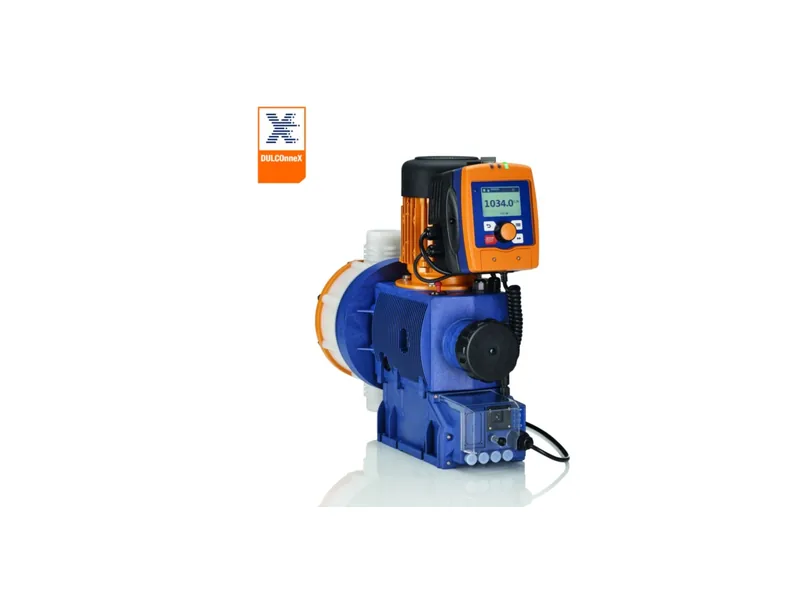
Figure 1: ProMinent Sigma X S3Cb motor-driven metering pump. Image source: ProMinent official website
- Low: pin floc, a rolling or cloudy settler, high turbidity onto the filters, and early filter breakthrough
- High: loose, floating floc, a chemical scum feel on the settler surface, faster filter clogging, and sometimes an uncomfortable shift in clearwell pH or residual aluminum or iron
In both cases, do not try to fix the problem only by changing the polymer. Return to the coagulant dose first. When you adjust the pump, change stroke or frequency, not both at once, note the time, and wait for the hydraulic detention to pass before you stack another change on the same water.
If the raw water has shifted suddenly, run a fresh jar set on that day’s water before you change the plant coagulant dose. A blocked injection quill or a pump that is stroking but not delivering can look exactly like an underdose. Confirm that product is actually leaving the quill before you raise the set point.
Conclusion
Coagulant dose control needs a jar-test starting point, a conversion to plant flow, and a way to trim against raw-water changes and online signals. Judge the result by floc, settled water and filter turbidity, not by how far the pump dial is open. Send the raw-water quality, the flow range, the coagulant in use and the pump data through the contact page, and we will help turn the jar result into a workable coagulant dose setpoint and a flow-paced or instrument-led control scheme.
FAQ
How often should the jar test be repeated?
When raw water is steady, a weekly or ten-day check is reasonable. After rain, an algal pulse, a source change or a clear temperature shift, repeat it that day. Do not wait until filtered-water turbidity has already slipped.
Can coagulant dose control still be automatic without a streaming-current meter?
Yes. Pace the pump to inlet flow, then trim against settled or filtered turbidity by hand or with a slower loop. The plant will react later than a streaming-current loop, so each change in coagulant dose needs time for the water to pass the settlers and filters.
If filtered-water turbidity is high, should we raise the coagulant dose at once?
Not always. Look at the floc and the settler first. A late backwash or a tired filter bed can raise filtered turbidity on its own. Rule the filters out before you change the coagulant dose, or you may overdose a problem that is not in the mix chamber.
If plant flow falls, should the pump come down with it?
Yes. Leaving the same stroke on a lower flow raises the coagulant dose without anyone meaning to. That is what flow pacing is for. At very low flow, also confirm that the pump still meters accurately at the new stroke or frequency.
Should PAC and PAM be changed together when we trim the coagulant dose?
Change the coagulant first, watch the floc, then decide whether the aid needs to move. If both change at once, a poor result has no clear cause. Ratio questions belong in the dedicated ratio article; here only the coagulant dose should move.