
Oil in Water Analyzer Selection: Effluent and Condensate Monitoring
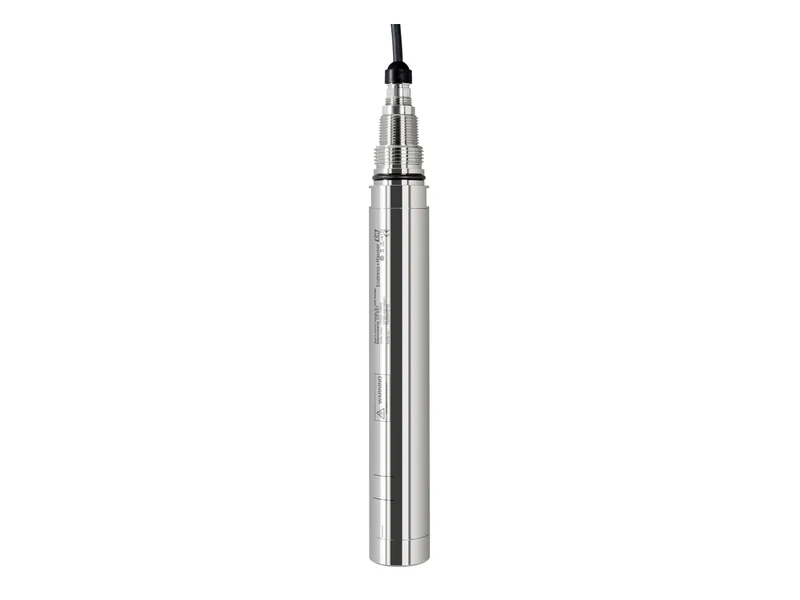
Picking an oil in water analyzer starts with two questions, not a brand list: what kind of oil are you trying to see, and where in the plant are you measuring it? Emulsified oil at a wastewater outfall, an occasional heat-exchanger leak into steam condensate and a faint sheen in cooling water each favor a different measuring principle. Get the principle right and calibration and maintenance start to make sense. This guide is written for design engineers, environmental staff and utilities teams specifying an online oil in water monitor.
Three measuring principles behind an oil in water analyzer
UV fluorescence. Ultraviolet light excites polycyclic aromatic hydrocarbons (PAH) in the oil, and they emit fluorescence in proportion to concentration. Sensitivity is high, which suits low levels and early warning, and the sensor can sit directly in a flow cell. The catch is that oils differ in aromatic content. The same mass of diesel and lube oil can give very different signals, so the oil in water analyzer has to be calibrated against the oil actually present on site.
Infrared absorption. This principle looks at carbon-hydrogen bond absorption, close to the reasoning behind common laboratory oil methods, so results compare more easily with lab data. Online infrared systems usually need extraction or special sample handling, which adds complexity and upkeep.
Light scattering and turbidity-based methods. These estimate oil from the light scattered by droplets. They are simple, but they cannot tell an oil droplet from a silt particle. Reserve them for clean water with few solids.
A quick way to decide: if the number must line up closely with the lab method, lean toward infrared. If you need continuous, sensitive alarms at low concentration, lean toward fluorescence. If the water is clean and a rough trend is enough, scattering can work.
Monitoring oil in water at a wastewater outfall
Outfalls are a hard place for an oil in water analyzer. After oil separators and dissolved air flotation, most of what remains is emulsified oil and fine droplets, mixed with suspended solids and surfactants.
When you install an oil in water analyzer here:
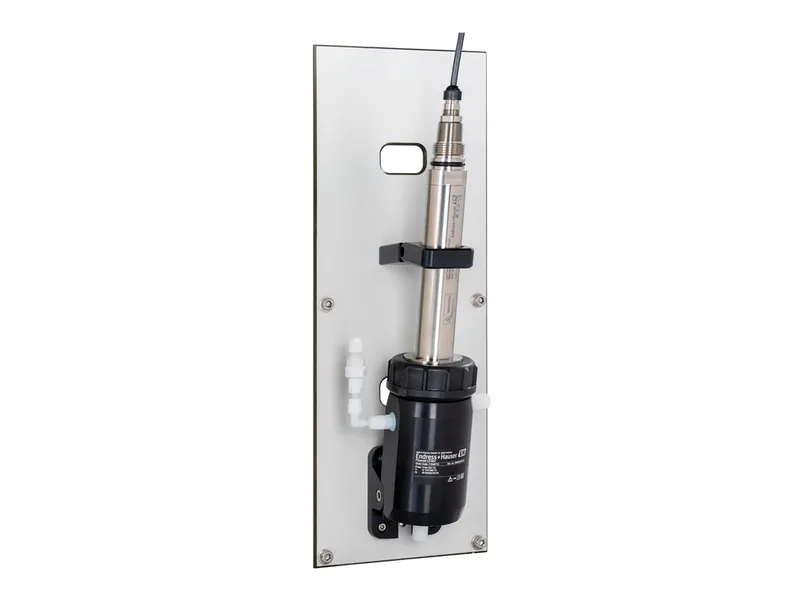
Figure 1: Endress+Hauser Memosens CFS51 with tiltable flow assembly. Image source: Endress+Hauser official website
- Put the measuring point at a well-mixed spot downstream of treatment, not in a corner where floating oil collects.
- Where solids are high, choose a fluorescence sensor with turbidity compensation to limit particle bias.
- Filter upstream if you must, but not so finely that the filter captures the oil and the reading drops.
- Send grab samples from the same point to the lab on a regular schedule and re-confirm the correlation.
Upstream demulsifier and flotation practice is covered in demulsifier dosing for oily wastewater. When outfall oil swings, check the process before you suspect the analyzer.
Why condensate return needs an online oil in water sensor
If a heat-exchanger bundle leaks, process oil can enter steam condensate on its way back to the boiler. In the boiler it causes foaming and carryover at best, deposits on heat-transfer surfaces at worst. An oil in water analyzer on condensate sees clean water with a low background, which plays to the sensitivity of fluorescence for leak detection.
The Endress+Hauser Memosens CFS51 is one such fluorescence sensor. Its official product page lists early detection of oil leakage in steam condensate from heat exchangers, oil contamination in cooling water and effluent monitoring among its applications. It quotes an oil range up to 6000 ppm depending on the oil sample and integrated turbidity correction from 0 to 50 FNU.
Do not copy alarm limits from another project. Log the background under normal operation first, then set the alarm and any interlock (for example diverting condensate to drain) from your boiler's feedwater oil limit.
Emulsified vs dissolved oil: why oil in water analyzer readings disagree
This is the point most often missed when specifying an oil in water analyzer.
Emulsified oil is dispersed as tiny droplets. Both scattering and fluorescence respond to it, but droplet size affects the signal, so when emulsion breaking changes, the reading can jump even if the oil mass has not.
Dissolved oil is the aromatic and light fraction actually dissolved in water. Scattering barely sees it; fluorescence picks up the aromatic part.
So a scattering monitor and a fluorescence monitor on the same stream may disagree without either being faulty. They are not measuring exactly the same thing. Agree in the acceptance test which method is the reference.
Window fouling and bubbles: oil in water analyzer maintenance
An optical oil in water analyzer has two enemies: dirty windows and air bubbles.
Oil film, biofilm or scale on the window makes the reading drift, typically low or noisy for fluorescence. Fit automatic cleaning where the water calls for it, or put manual wiping on the inspection round. Bubbles scatter light and create spikes, so mounting angle and flow cell design matter. The optional CFS51 flow assembly holds the sensor at an angle chosen to reduce bubble effects. General flow cell guidance is in analyzer installation and flow cells, and spike troubleshooting follows the same logic as turbidity meter reading fluctuation.
Safety note: close the sample valve and relieve flow cell pressure before removing a sensor. Oily effluent can carry flammable fractions, so keep ignition sources away.
Conclusion
Choosing an oil in water analyzer comes down to three things: which oil, where, and which method is the reference. Outfalls with mixed water suit fluorescence with turbidity compensation plus regular lab comparison. Clean condensate suits fluorescence as a leak alarm. Scattering is for clean water only. The usual traps are emulsified versus dissolved oil, window fouling and bubbles. See more online water quality analyzers, then send the water source, oil type, expected range and installation point and contact our engineers to check the setup.
FAQ
Can an oil in water analyzer replace lab testing?
Usually not completely. The online instrument provides continuous monitoring and alarms; its data still needs periodic comparison with the lab method, especially for fluorescence after any change in oil type.
We changed oil grades and the reading shifted. Why?
Fluorescence responds to aromatics, and different oils contain different amounts. Recalibrate with the new oil; otherwise the reading may be high or low.
Will an online oil in water sensor work in water with lots of silt?
Yes, with a turbidity-compensated probe, moderate upstream filtration and shorter cleaning intervals. A scattering-only instrument will struggle badly in that water.
How do I set the condensate alarm on an oil in water analyzer?
Record background values under normal operation, then set the alarm and interlock from your boiler's feedwater oil requirement. Do not borrow numbers from another site.
How often should the oil in water monitor window be cleaned?
It depends on the water. When the reading drifts or spikes more often, inspect the window. For oily or high-solids points, an automatic cleaning device saves a lot of manual work.