
Automatic Sensor Cleaning: Wipers, Air Blast, Spray or Ultrasonic?
Automatic sensor cleaning works when the method matches what is growing on the probe. Soft biofilm and sludge usually come off with a wiper or an air blast. Grease needs warm water or a cleaning solution. Hard scale only yields to acid, which means a chemical cleaning system. Ultrasonic cleaning is best treated as prevention, keeping fine particles off an optical window. Once the method is right, the cleaning interval and the output hold during cleaning decide whether the system saves labor or just adds a new thing to maintain. This guide is for instrument engineers and maintenance crews. For manual cleaning and calibration routines, see dissolved oxygen sensor maintenance.
Why online sensors need automatic sensor cleaning
Probes in wastewater, cooling water and process water start to foul within days. Optical sensors for turbidity, suspended solids and dissolved oxygen drift as soon as the window clouds over. A pH glass bulb or junction coated with film responds slowly and loses slope. Wiping by hand every day takes time, and when the measuring point sits at a basin edge, up a structure or in a hazardous area, the manual visit carries its own risk. Automatic sensor cleaning takes that repetitive task away and keeps the reading credible between scheduled maintenance visits.
The four main automatic sensor cleaning methods
Wiper cleaning system for probes
A brush or wiper sweeps the optical window on a timer and removes biofilm and soft deposits. Many turbidity, TSS and optical DO sensors include one, so no external utility is needed. Bristles wear, though, and a wiper will not shift hard scale. On membrane-covered electrochemical sensors it can also damage the membrane.
Air blast sensor cleaning
A nozzle in front of the sensor fires a burst of compressed air that knocks off sludge, fibers and loose dirt. It is the usual choice for immersion probes in aeration basins and clarifiers. You need an air supply, a solenoid valve and tubing, and condensate in the line can freeze in winter. Oily compressed air will coat the sensor instead of cleaning it, so filter the supply for oil.
Water and chemical spray
Clean water, warm water or a cleaning solution is sprayed at the sensor. This suits flow-cell installations and grease. Add acid or caustic and it becomes chemical cleaning, which handles scale and stubborn oil. Chemical cleaning generally relies on a retractable assembly that withdraws the sensor from the process before rinsing and recalibrating, so cleaning agent does not end up in the product or the basin.
Ultrasonic cleaning
An ultrasonic transducer vibrates near the window and makes it hard for fine particles and early biofilm to settle. It prevents buildup more than it removes it, and it typically does little against scale that has already formed.
Choosing automatic sensor cleaning by fouling type
When you are unsure which automatic sensor cleaning method fits, work through it in this order:

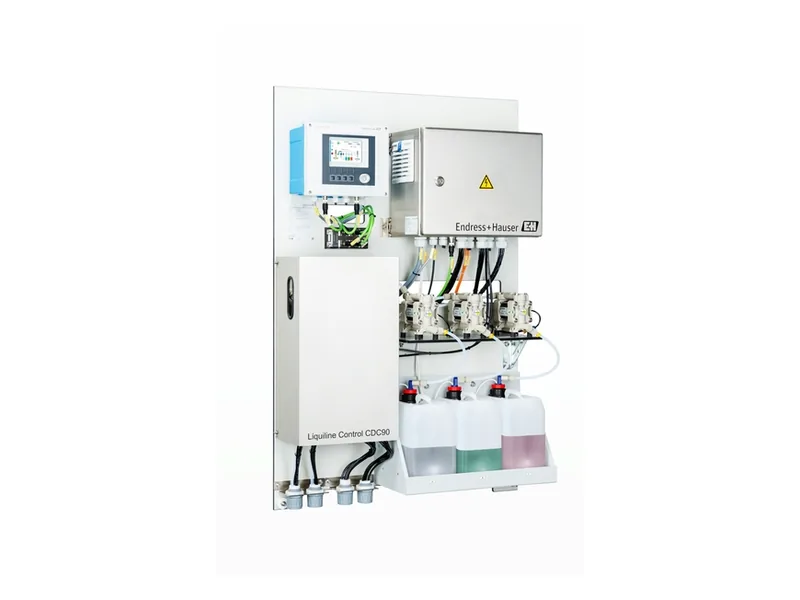
Figure 1: Endress+Hauser Liquiline Control CDC90 installed. Image source: Endress+Hauser official website
- Pull the probe and look. Slimy means biofilm, clumps mean sludge or fiber, a greasy feel means oil, a hard crust means scale or rust.
- For soft fouling, pick a wiper for optical sensors and air blast for probes sitting in sludge.
- For grease, use warm water or caustic spray. For scale, use acid.
- If the point is hard to reach or the area is hazardous, consider a complete automatic sensor cleaning and calibration system.
The Endress+Hauser Liquiline Control CDC90 is one example of that last category. According to the manufacturer, it cleans, calibrates and adjusts up to two Memosens pH or ORP sensors automatically, with user-defined cleaning and calibration cycles, and connects to the control system through 0/4–20 mA, PROFIBUS DP, Modbus TCP, EtherNet/IP or PROFINET. Endress+Hauser positions it for points that need frequent cleaning or calibration, are difficult to access, or sit in harmful environments. pH and ORP instruments are listed under pH/ORP analyzers.
How often should automatic sensor cleaning run?
There is no universal automatic sensor cleaning interval. Start short, and at each inspection note how dirty the probe is and how much the reading changes across a cleaning cycle. A small change means you can stretch the interval; a large drift before cleaning means you should shorten it. Season matters as well. Warm water grows biofilm faster, so summer intervals are generally shorter than winter ones.
Automatic sensor cleaning does not replace manual checks. Pull and calibrate sensors on a fixed schedule as described in online analyzer calibration and electrode maintenance.
Holding the output during cleaning
During automatic sensor cleaning, the sensor sees air, rinse water or chemical, not the process. If the output keeps updating, the PLC may react and drive a dosing pump the wrong way. Freeze the output at the last good value during cleaning and release it only once the reading has recovered.
Make the hold longer than the cleaning action itself. Air blasting a DO sensor causes a short spike, and a pH electrode after acid cleaning needs time to settle. Set the hold from the actual recovery curve observed during commissioning.
Mistakes we see on site
- The nozzle is not aimed at the window, so months of air blast sensor cleaning achieved nothing.
- Air blasts are so frequent that sludge around the probe is constantly stirred and the reading never settles.
- A worn wiper keeps moving and looks fine, but no longer touches the glass.
- Cleaning solution crystallizes in the line; the controller logs a completed cycle and the sensor stays dirty.
When readings look wrong, follow the water quality analyzer troubleshooting order and include the automatic sensor cleaning hardware in the checks. Depressurize air lines before working on them, and wear gloves and eye protection around acid or caustic cleaning agents.
Conclusion
Automatic sensor cleaning pays off when it matches the fouling: wipers or air blast for soft film and sludge, warm water or caustic for grease, acid for scale, and ultrasonic to keep fine particles off optical windows. Start with short intervals and lengthen them based on what you see, hold the output while cleaning, and keep manual checks on the calendar. Send us the medium, sensor type and mounting arrangement, and contact our engineers to choose a cleaning setup.
FAQ
My sensor has a built-in wiper. Do I still need air blast?
Usually not. At points with heavy sludge or fibers that wrap around the probe, adding air blast helps, but coordinate the timing of the two actions.
Can I use plant instrument air?
Yes, provided it is dry, oil-free and at a suitable pressure for automatic sensor cleaning. Oily air leaves a film on the window and makes fouling worse.
Can a pH electrode be brushed?
Avoid stiff brushes on the glass bulb; they scratch it. Water spray or chemical cleaning is the usual approach for pH.
Should dosing pumps stop during cleaning?
Generally no. With the control signal held, the pump keeps running at the pre-cleaning value. The hold time has to cover the recovery period.
Can ultrasonic cleaning replace acid cleaning?
No. Ultrasonic mainly prevents buildup and has limited effect on scale that has already formed. Heavy scaling still needs chemical cleaning.