
Demulsifier Dosing for Oily Wastewater: Breaking Emulsions Before DAF
Demulsifier dosing for oily wastewater only makes sense once you know what state the oil is in. Free oil floats and an oil separator removes it with little or no chemistry. Emulsified oil is held in tiny droplets by surfactants, the water looks milky, and it will not separate however long it stands; it has to be broken chemically before dissolved air flotation can remove it. So the dosing point sits after the oil separator and ahead of the DAF. This guide is for wastewater operators in machining, metal cleaning, food processing and fuel handling, and for engineers designing oily wastewater plants.
Free, dispersed and emulsified oil: what demulsifier dosing for oily wastewater targets
Oil in wastewater usually falls into four groups:
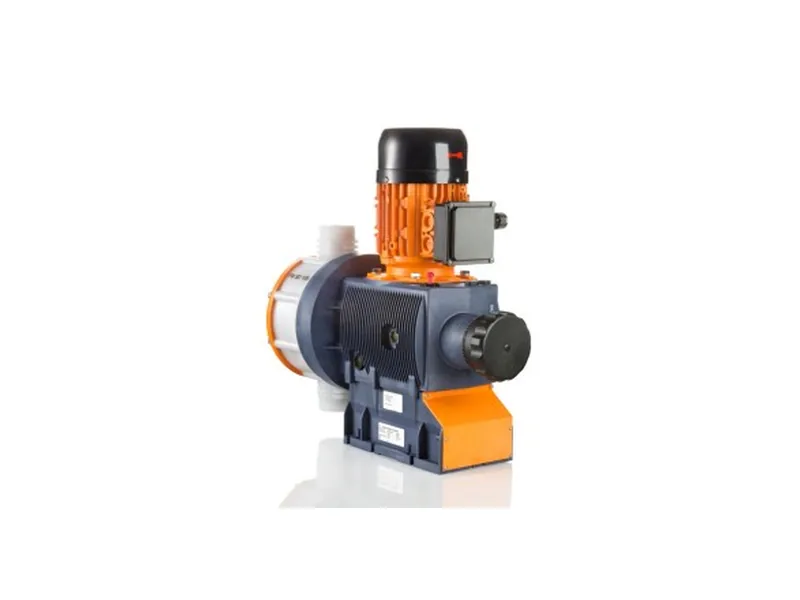
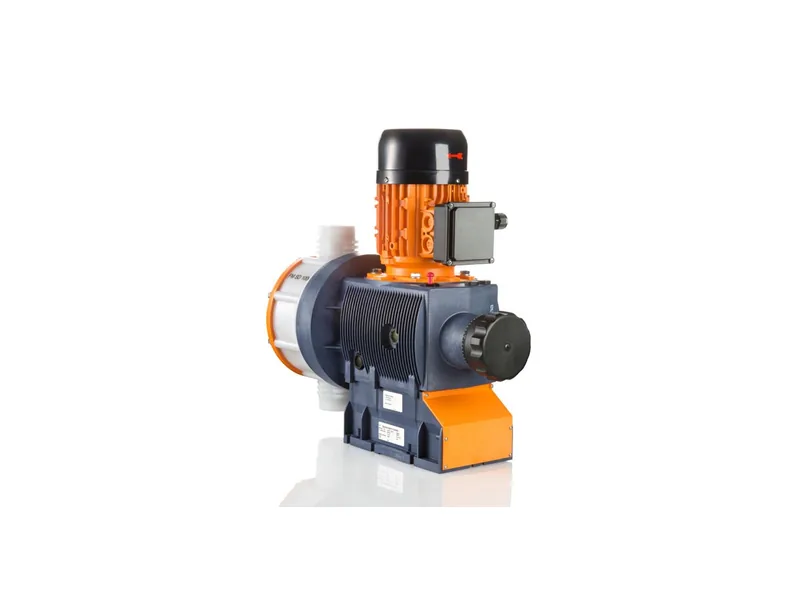
Figure 1: ProMinent Sigma/2 motor-driven diaphragm metering pump. Image source: ProMinent official website
- Free oil: large droplets that rise quickly into a layer; a gravity separator takes out most of it.
- Dispersed oil: smaller droplets that partly rise with time; plate separators or DAF remove it.
- Emulsified oil: very fine droplets stabilized by emulsifiers, typical of spent cutting fluids and washer effluent; it does not separate without emulsion breaking.
- Dissolved oil: in solution, left to biological treatment downstream.
A jar test tells you quickly. If a layer forms on top, free oil dominates. If the sample stays milky, you are dealing mostly with emulsions and demulsifier dosing for oily wastewater is needed.
Three chemistries for demulsifier dosing for oily wastewater
Acid cracking
Sulfuric or hydrochloric acid lowers pH, and many anionic emulsifiers lose their stabilizing effect in acid conditions, releasing the oil. The water normally needs caustic neutralization before the next stage. Pump and material points for acid are in our hydrochloric acid metering pump selection guide.
Salting out and coagulation
Calcium chloride, aluminum salts or iron salts compress the charge layer around droplets so they coalesce. Aluminum and iron salts also coagulate, which pairs well with DAF. Our overview of wastewater treatment chemicals compares the main groups.
Organic demulsifiers
These are polymeric surfactants, often polyether-based, and work at lower doses than inorganic chemicals on stubborn emulsions. The catch is viscosity, which affects the pump.
Most plants combine methods. Decide the chemistry and dose with jar tests on real samples rather than copying another plant's recipe, because different cutting fluid brands use different emulsifiers.
Where demulsifier dosing for oily wastewater fits in the process
A common sequence is: equalization tank, oil separator, emulsion breaking tank, DAF, further treatment.
Dose after the oil separator. Removing free oil first stops it consuming chemical. The breaking tank needs mixing and residence time so the chemical disperses and droplets start to coalesce before the DAF floats out oil and floc. DAF design itself, including saturation and coagulant and polymer feed, is a separate topic.
Field notes from oily wastewater treatment sites: always build an equalization tank, because machine shops dump concentrated batches and dose control cannot keep up otherwise. Cold water weakens emulsion breaking, so some plants heat the breaking tank in winter. And more is not better; overdosing can make the effluent cloudy again, so set the dose by testing and recheck it regularly.
Choosing an emulsion breaker pump for demulsifier dosing for oily wastewater
Viscosity drives most decisions in demulsifier dosing for oily wastewater:
- Neat organic demulsifier is thick and thicker in winter. Slow the stroke rate, use a short, large-bore suction line, and install the pump with flooded suction.
- Dilute where the chemical allows it; the pump runs far better. Make up dilutions fresh, following the supplier's instructions.
- For acid cracking, PVC or PVDF liquid ends suit sulfuric and hydrochloric acid; hydrochloric acid fumes, so plan for degassing.
- Pace the pump to influent flow with a pulse or 4-20 mA signal from a flow meter.
For very viscous chemicals, our article on high viscosity metering pumps explains how far a diaphragm pump can go. Motor-driven diaphragm metering pumps such as the ProMinent Sigma/2 suit medium-flow, continuous demulsifier dosing for oily wastewater; choose the liquid end and valves for the chemical's viscosity. Browse our mechanical diaphragm metering pumps and the ProMinent brand page.
When mixing acid, wear goggles and acid-resistant gloves and add acid to water. Stop and depressurize the pump before opening the liquid end.
Checking whether demulsifier dosing for oily wastewater is working
Operators can judge results without a lab every hour. Look at the breaking tank: small oil droplets and a clear water phase between them mean the emulsion has broken. Look at the DAF float: it should be thick and oily rather than thin and watery. Effluent that turns milky again after a period of good results usually points to a change in the incoming waste, such as a new cutting fluid or cleaner, not a pump fault. When that happens, repeat the jar test before changing the demulsifier dosing for oily wastewater, and keep a short log of dose, flow and appearance so trends are visible across shifts.
Conclusion
Effective demulsifier dosing for oily wastewater starts with identifying the oil: separators handle free oil, emulsion breaking handles emulsified oil. Acid, salts and organic demulsifiers are often combined, with doses set by jar test. Feed after the separator and before DAF, with mixing and residence time in between. Pick the pump for viscosity, material compatibility and flow-paced control. Send us your flow, oil type and planned chemicals and contact our engineers for a pump recommendation.
FAQ
Can emulsified wastewater go straight to DAF without breaking?
Not if emulsions dominate. Without emulsion breaking, DAF removes only a small fraction of the oil and the effluent stays milky.
How do I find the right demulsifier dose?
Run jar tests on site samples at several doses, pick the clearest result with the most separated oil, then convert to pump flow using the plant flow rate.
The organic demulsifier is too thick to pump. What can I do?
Check for flooded suction and a large enough suction line, dilute if allowed, and keep the drum warm in winter. If it is still too thick, move to a pump type built for high viscosity.
Why add caustic after acid cracking?
Acidic effluent inhibits biological treatment and corrodes pipes and equipment, so it is neutralized before the next stage.
Can the oil separator and DAF be one tank?
We advise against it. The separator removes free oil and the DAF removes broken emulsion and floc; combining them compromises both.