
PAM Fish Eyes: Why They Form and How to Avoid Them
PAM fish eyes are one of the most common lumps you see when dissolving dry polymer. The grain wets on the outside and forms a slippery gel skin, while the core stays dry. The bead looks clear or almost clear, and water can no longer reach the inside. Extra mixing and extra waiting often do not open it. Fast addition, no wetting device, cold make-up water, a mixer that is too weak, or a deep vortex that swallows a clump of dry powder will all produce them. This note is for dose-room crews who need to know why PAM fish eyes form and how to avoid them during dissolving. It is not a guide to emulsion feed, and it is not a second article on how to set make-down strength.
How PAM fish eyes form
To avoid PAM fish eyes, you first have to see how they start. As soon as dry PAM meets water, the surface takes up water and turns sticky. If a handful of powder hits the surface at once, the outside gels and wraps the dry core, and water cannot get in. Colder water makes even wetting harder, so the same dump is more likely to form beads. A mixer that is too gentle leaves powder floating and skinning on the surface. A mixer that throws a deep vortex can suck a dry clump under the surface in one gulp, which also wraps a gel core.
Adding dry powder into a solution that is already thick is another reliable way to get PAM fish eyes, because the new powder is coated before it can disperse. Damp, pre-caked powder is a lump from the start. This is not the same problem as short aging time. Fish eyes are a wetting failure in the dissolving step; under-aging is chains that have not yet uncoiled, and the tank may show no beads at all. Aging is covered in polymer aging time. Other make-down habits are in tips for dissolving and dosing PAC/PAM.
How to add powder so you get fewer PAM fish eyes
Prevention is worth more than trying to rescue a tank full of beads. When you dissolve PAM, this order helps:
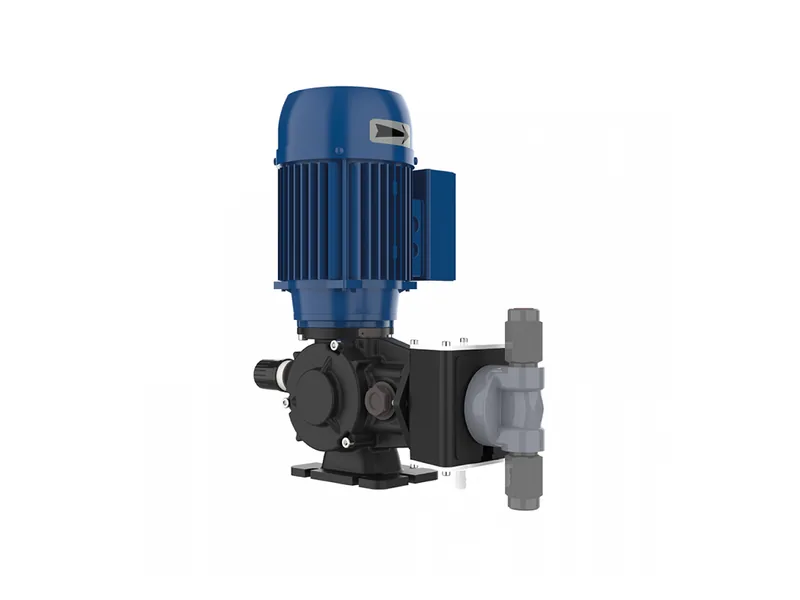
Figure 1: SEKO Spring PS1 mechanical diaphragm pump. Image source: SEKO official website
- Prepare the make-up water, keep it from running too cold, and start the mixer
- Use a wetting funnel, an eductor or a similar device so the powder is filmed with water before it enters the tank; do not empty a bag onto the surface
- Add the powder slowly and continuously, at a rate the water can carry, rather than letting it pile on the surface
- Keep the surface moving, but do not cut a deep vortex that swallows dry powder
- Finish one batch before you start the next; do not dump fresh powder into a solution that has already thickened
Make-down strength still has to be reasonable. A very strong batch makes later powder even harder to disperse. How to choose that strength is in how to set polymer concentration. Even a sensible strength will still give PAM fish eyes if the addition method is wrong. In winter, keep the make-up water and the tank temperate. Do not just turn the mixer to maximum and hope it will tear open beads that are already wrapped.
If PAM fish eyes are already in the tank, can you still use the batch?
Once PAM fish eyes have formed, turning the mixer up rarely tears the gel skin; the core stays dry. Harder mixing sometimes only breaks the beads into smaller, stickier fragments that are worse for the pump and the pipe. A steadier approach is to scoop out the beads you can reach, stop adding more powder to that tank, and jar-test whatever is left. If the tank is full of beads and the solution is obviously uneven, make a new batch rather than sending a tank of gel to the process.
A strainer can keep the larger beads out of the pump, but the polymer sitting on the screen is product you have already lost, and the strainer will not stop new beads from forming in the tank. The real fix is the wetting and the addition method. Do not blend a tank that is already full of PAM fish eyes into a fresh, clean batch. You will only carry the problem forward.
What the pump still has to watch after make-down
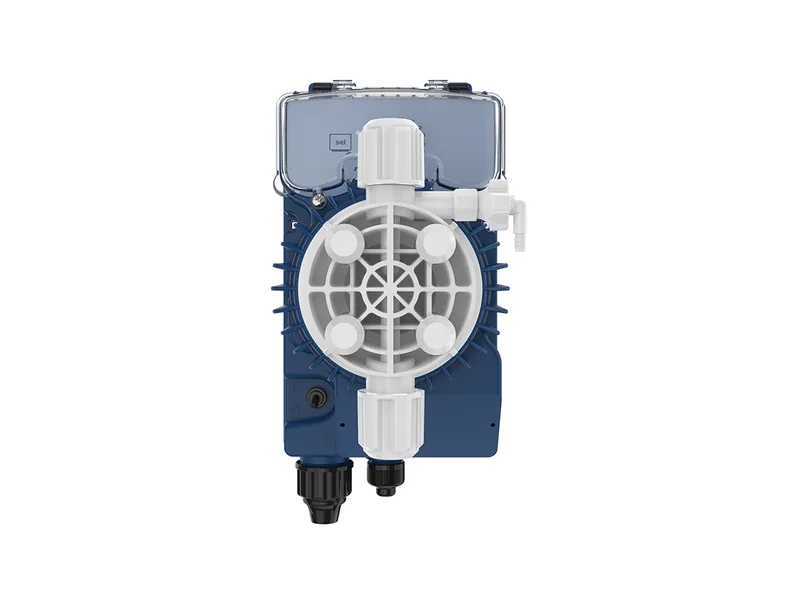
If the solution still carries PAM fish eyes, the suction valve, the valve balls and the strainer on the metering pump will foul quickly. Flow becomes unsteady, or the pump stops delivering at all. A SEKO Tekna or Spring diaphragm metering pump is often used to send a finished polymer solution to the process. You can compare the brand and the pump on the SEKO brand page and the dosing skid range. The pump can deliver a good solution; it cannot replace dissolving. Fit a strainer on the suction side, and look during rounds for clear gel on the screen. If you see it, the dissolving step has not yet passed.
Have the make-up water temperature, the addition method and what you found on the strainer ready, and contact us for sizing so the make-down and the feed equipment can be checked against the duty. If you see PAM fish eyes, go back to the addition step before you raise the stroke.
Conclusion
PAM fish eyes form when the powder skins over and the core stays dry. Extra mixing rarely opens them. You avoid them with a wetting device, slow continuous addition, sensible mixing and adequate water temperature, not by running the mixer at maximum. A batch that is already full of beads should not be blended into a new one; discard it and make it down again if it is badly uneven. Get dissolving right first, then talk about aging, strength and dose.
FAQ
How are fish eyes different from under-aging?
PAM fish eyes are unwetted gel beads you can see in the tank. Under-aging means the powder has already gone into the water, but the chains have not uncoiled, and you may see no beads at all. Both can weaken floc, but one is fixed by changing how you add powder, and the other by giving the solution time to age.
If I turn the mixer all the way up, will the beads open?
Usually not. Once a gel skin has wrapped a dry core, harder mixing often just breaks the beads into smaller sticky pieces. Prevention is much more effective than trying to rescue them.
Are fish eyes more likely when the water is cold?
Yes. Colder water wets the powder less evenly, so the surface gels sooner. In winter, keep the make-up water temperate and slow the addition; do not rely on a faster mixer alone.
The tank already has a lot of beads. Can I still dose the batch?
If there are only a few, you can remove them and the remaining solution still jars well, you may dose it with a strainer in place. If the tank is full of PAM fish eyes and the solution is uneven, discard it and make a new batch. Do not force it through the pump.
If I fit a wetting funnel or an eductor, will fish eyes stop completely?
They will drop a lot, but not by guarantee. Adding too fast, using caked powder, or dumping powder into a thick solution can still create PAM fish eyes. The wetting device has to be used together with a controlled addition rate and the right mixing, not as a one-time insurance policy.