
Guided Wave Radar Level Transmitter for Storage Tanks: A Field Guide
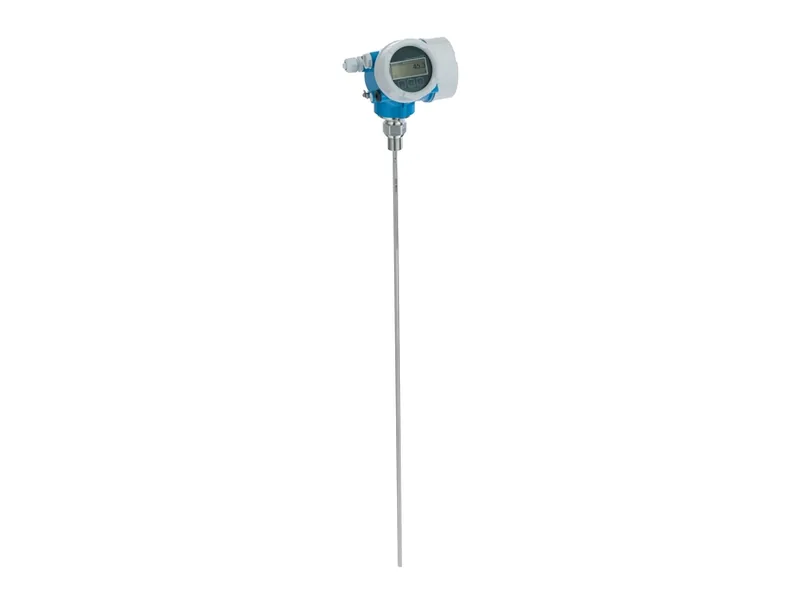
A guided wave radar level transmitter is a safe choice for most liquid storage tanks, and it really earns its place where foam, vapor, agitation or internal clutter would upset other sensors. It sends a microwave pulse down a probe and times the reflection from the liquid surface, so the tank atmosphere hardly matters. Whether it works well on your tank comes down to three questions: is the liquid's dielectric constant high enough, is a rod, rope or coax probe the right fit, and is the nozzle clear of walls, inlets and mixers. This guide is for engineers specifying chemical, fuel and process tanks and for the instrument techs who commission them.
How a guided wave radar level transmitter measures level
The electronics fire a very short pulse along a metal rod or cable that hangs into the tank. When the pulse reaches the surface, part of the energy reflects back because the liquid and the gas above it have different dielectric constants. The guided wave radar level transmitter measures the round-trip time, converts it to distance from the flange, then to level, and sends it out as 4–20 mA HART or a fieldbus value.
Dielectric constant is simply how strongly a material responds to an electric field. Water and most aqueous chemicals are high; oils and solvents are low. The lower the value, the weaker the echo, which is why it is the first number a supplier will ask for when quoting a guided wave radar level transmitter.
Because the energy stays concentrated around the probe instead of spreading through the vapor space, a guided wave radar level transmitter usually holds a steadier signal than a non-contact radar in narrow tanks, foaming liquids or tanks with heating coils.
Guided wave radar for storage tanks: where it fits
Typical good applications:
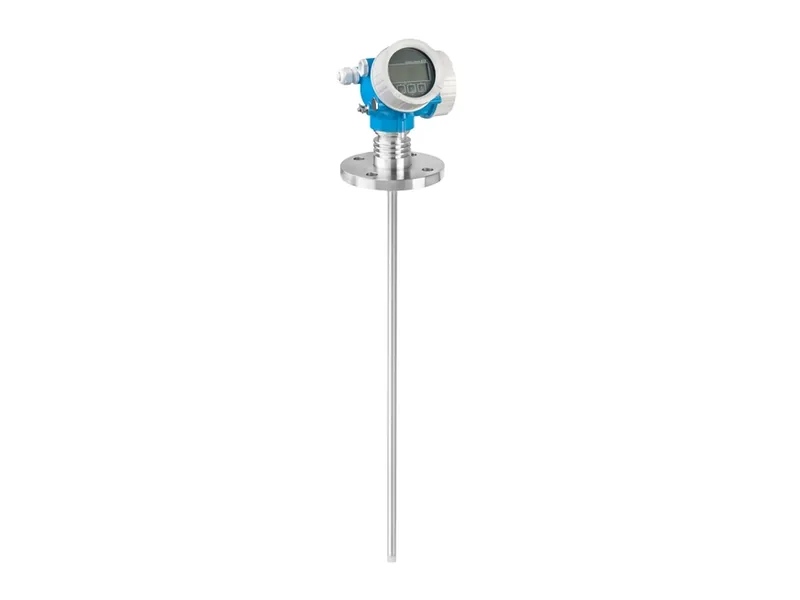
Figure 1: Endress+Hauser Levelflex FMP52 PFA-coated guided radar. Image source: Endress+Hauser official website
- Chemical day tanks and bulk tanks for sodium hypochlorite, caustic, ferric or PAC solutions, where the surface foams or fumes.
- Low dielectric fuel and solvent tanks, such as diesel or thermal oil, provided the probe and range are chosen for it.
- Hot tanks with condensation or steam.
- Interface duty, such as an oil layer on water, where some models report both total level and interface.
For aggressive chemicals, probe material decides the job. The Endress+Hauser Levelflex FMP52 uses a gap-free PFA-coated probe aimed at corrosive liquids, while the Levelflex FMP51 is the general-purpose version with rod, rope and coax options. If the tank itself is still being selected, see our notes on sodium hypochlorite storage tank selection.
A guided wave radar level transmitter is not ideal everywhere. Very sticky products that build heavy coatings on the probe will degrade the reading, and small open sumps with violent mixing can bend or swing the probe.
Rope probe vs rod probe for a guided wave radar level transmitter
A rope probe is a steel cable with a weight at the bottom. It reaches the longest ranges and suits tall tanks and silos. A rod probe is rigid, has a shorter maximum length, and handles moving liquid better, so it suits small and mid-size tanks. A coax probe puts the rod inside a tube; it gives the strongest signal for very low dielectric, clean liquids, but viscous or dirty product can bridge the gap and block it.
A quick decision path:
- Tank taller than the rod length available? Use a rope probe.
- Agitator or inlet stream nearby? Use a rod, or anchor the rope weight.
- Very low dielectric and clean? Consider coax.
- Viscous or crystallizing liquid? Stay with a single rod or rope, never coax.
GWR level sensor installation rules
Most problems with a guided wave radar level transmitter trace back to where it was mounted. Keep these in mind:
- Distance from the wall. Welds and buildup on the wall create interference echoes. Follow the minimum spacing in the manual.
- Away from the fill stream. Liquid pouring onto the probe makes the reading jump and can swing a rope.
- Clear of mixers and coils. Leave enough gap so a rope cannot wrap around a shaft.
- Short, wide nozzles. A long, narrow standpipe creates a disturbed zone at the top of the range.
Then there are the dead zones. A short section at the top of the probe and another at the bottom cannot be measured reliably. Set the high-high alarm below the upper dead zone and the pump low-level cutout above the lower one. Placing a high alarm almost at the roof is a common design mistake that only shows up when the tank is nearly full.
Low dielectric liquids
With oils and solvents, the weaker echo reduces the usable range of any guided wave radar level transmitter. Manufacturers often list maximum range separately for different minimum dielectric values, so read that line carefully. In practice:
- Give the supplier the liquid name and dielectric constant at the quote stage.
- Prefer a coax probe or mounting in a metal stilling well to concentrate the signal.
- Run an empty-tank mapping during commissioning so fixed tank structures are suppressed.
Wiring and commissioning notes
Isolate power before wiring, and follow hazardous-area rules where the tank sits in a classified zone. Never open the housing live in an Ex area. During startup, move the level through a real range and check it against a manual dip. When the guided wave radar level transmitter drives pump or valve interlocks in the PLC, add a short delay so surface ripple does not cycle equipment. For other sensor types often used on chemical tanks, compare our chemical tank level sensor selection, and for refill interlocks see automatic chemical tank refill.
Conclusion
A guided wave radar level transmitter covers most storage tank duties and is at its best with foam, vapor and cluttered tanks. Start from the dielectric constant and tank height, choose rope, rod or coax to suit, and keep the nozzle away from walls, inlets and mixers with alarms set outside the dead zones. Browse options in our level transmitter range, then send tank height, liquid, temperature, pressure and nozzle size and contact our engineers for a check of your application.
FAQ
Can a guided wave radar level transmitter handle sodium hypochlorite?
Yes, if the probe is coated with a resistant material such as PFA and the flange and seals are compatible. Bare stainless probes are a poor choice for hypochlorite.
Should the rope weight on a guided wave radar level transmitter be anchored?
Anchor it when there is an agitator or a strong inlet stream, so the rope cannot swing into the wall. Do not pull it drum-tight.
Does a guided wave radar level transmitter read through thick foam?
It copes with foam better than non-contact radar, but with very dense foam it may report the foam-liquid boundary. Check against a manual reading at startup.
Can it go into a small threaded tank connection?
Many models come with threaded process connections. Keep the nozzle short and wide enough, or the top of the range suffers.
Why does the reading sometimes jump to full?
Usually it is buildup on the probe, condensation near the top, or interference echoes that were never mapped out. Clean the probe and redo the empty-tank mapping.