
Automatic Chemical Tank Refill: 4 Ways to Stop Hand-Filling Day Tanks
Automatic chemical tank refill is a standard option on modern dosing skids, so nobody needs to carry drums to the day tank anymore. There are four practical routes: a transfer pump from bulk storage, level-controlled batch make-up with water, inline dilution, or a dry polymer feeder, and the right one depends on the chemical, the daily usage and how steady your water supply is. This guide is written for plant operators and for engineers specifying a chemical feed upgrade.
Why manual filling causes more trouble than it seems
In many older chemical rooms the routine looks the same. The tank runs low, someone wheels in two drums, tips them in, opens the water valve and eyeballs the fill line. Night shift often misses the low level, and the metering pump runs dry until morning.
The bigger issue is concentration. Hand-batched solution is strong one day and weak the next, so even a perfectly calibrated pump delivers the wrong dose. Splashes of caustic, acid or bleach during pouring are also one of the most common injuries in a feed room. Once daily usage climbs, an automatic chemical tank refill usually pays for itself in labor and consistency.
Four automatic chemical tank refill methods
Transfer pump from bulk storage
This form of automatic chemical tank refill suits plants that already receive tanker deliveries of sodium hypochlorite, liquid PAC, caustic or acid. A corrosion-resistant transfer pump, typically a magnetic drive pump, moves neat chemical from the bulk tank to the day tank. Low level starts it, high level stops it. Oversize the pump and you get water hammer at shutdown; undersize it and refill can't keep up with consumption. Our article on transfer pump fill connections for dosing tanks covers nozzle and line sizing.
Level-controlled batch make-up
This is the most common automatic chemical tank refill setup on packaged skids. A level sensor and a solenoid water valve sit on the tank. At low level the valve opens while a small pump adds concentrate in proportion, the valve closes at high level, and the mixer runs on a timer. A PLC ties the steps together. Accuracy depends on how water is measured: a flow totalizer is far more repeatable than estimating volume from level change, which typically needs regular sample checks.
Inline dilution
Concentrate never enters a mixing tank. The metering pump draws neat chemical and blends it with a carrier water stream on the discharge side. Footprint is small, but the final strength depends on stable carrier water pressure and flow.
Dry polymer feeder
Powdered polyacrylamide can't be pumped from a drum, so a dry feeder screws powder into a wetting cone with make-up water, followed by aging and storage chambers. Caked powder at the feeder outlet is the classic failure.
How to choose an automatic chemical tank refill setup
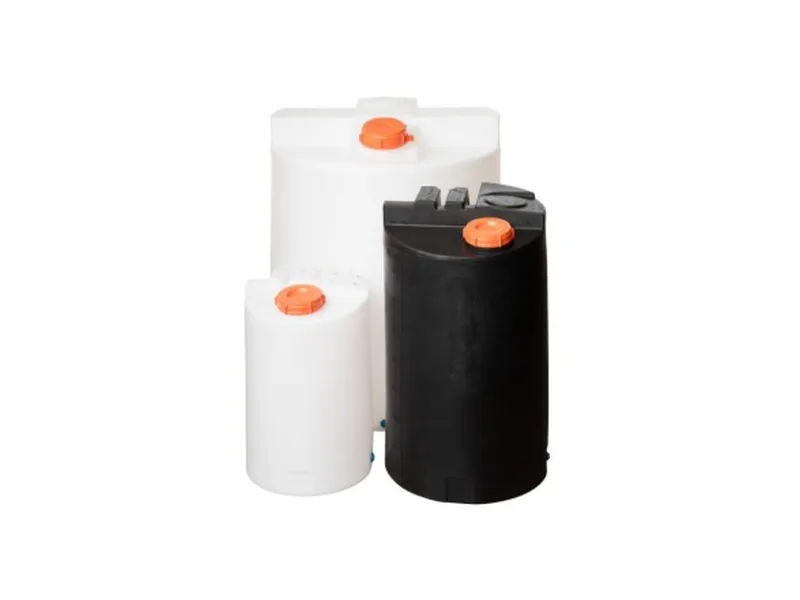
Figure 1: ProMinent PE dosing tank range. Image source: ProMinent official website
- Chemical form: powder points straight to a dry polymer feeder; liquids move to the next question.
- Volume and storage: high usage with bulk delivery calls for a storage tank and transfer pump; drum-fed sites can use a small drum pump.
- Dilution: steady water pressure allows inline dilution, while fluctuating pressure is better served by batch make-up.
- Controls: decide whether a PLC is available and whether level signals must go to the plant DCS.
Powder means a dry feeder, neat liquid means a transfer pump, and diluted solution depends on water pressure.
Setting level points and interlocks
A reliable automatic chemical tank refill system usually has four level points: high-high alarm with forced stop of refill, high to stop refill, low to start refill, and low-low to alarm and stop the metering pump before it runs dry. Leave enough volume between low and low-low for the refill to catch up. Sticky polymer and crystallizing bleach both interfere with float switches, so sensor choice matters; see how to select a chemical tank level sensor. Keep the water inlet above the maximum liquid level, or fit backflow protection, so chemical can't siphon into the potable line.
Maintaining an automatic chemical tank refill system
Automation saves labor but not inspections. Watch for these:
- A solenoid valve stuck open keeps adding water, diluting the batch until it overflows. Wire the high-high alarm.
- A transfer pump running on an empty bulk tank can wreck a mag drive bearing within minutes, so the storage tank needs its own low-level cutout.
- Flowmeters scale and feeders wear, so solution strength drifts. Test concentration weekly.
- Cold make-up water slows polymer dissolution; extend aging time per the manufacturer's manual.
Before opening any refill line carrying acid, caustic or hypochlorite, stop the pumps, close and depressurize the line, and wear a face shield and gloves.
Don't forget the tank itself
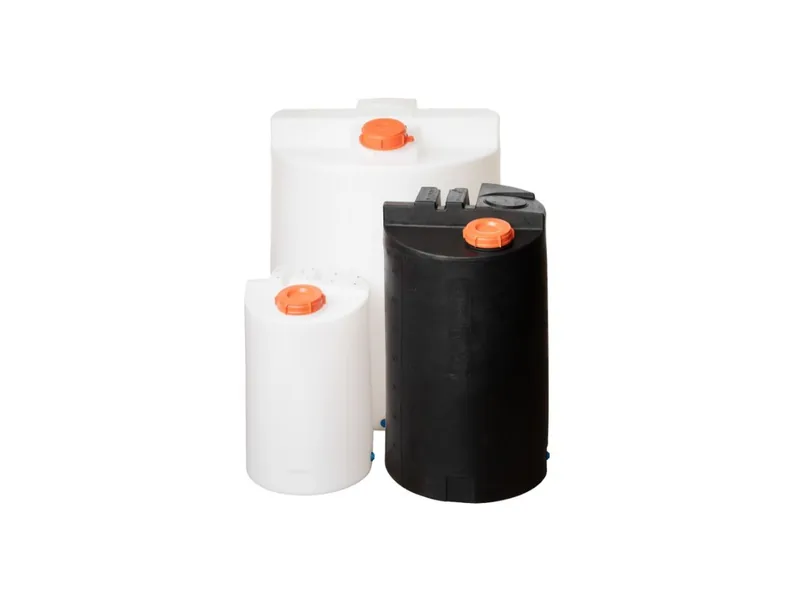
Tank details often get skipped when an automatic chemical tank refill is added. ProMinent, for example, describes its PE dosing tanks as UV-stabilized polyethylene with threaded sockets for mounting metering pumps and stirrers, plus black PE versions for light-sensitive chemicals. Specify nozzles for the level sensor, water inlet, refill line and overflow at the ordering stage; drilling on site invites leaks. For complete packaged systems, browse our chemical dosing skids or the ProMinent brand page.
Conclusion
An automatic chemical tank refill can be built four ways: transfer pump for neat liquids, batch make-up or inline dilution for diluted solutions, and a dry feeder for powder. Pick the route based on chemical form, usage, water pressure and controls, then set four level points with proper interlocks. For a full overview of the control logic, read how an automatic chemical dosing system works. Send us your chemical, daily usage, storage layout and water pressure, and contact our engineers for a refill design.
FAQ
Can an existing dosing tank be retrofitted for automatic chemical tank refill?
Usually yes. Adding a level sensor, a solenoid water valve and a small control box handles water make-up, and a transfer pump adds concentrate.
Why is my auto-batched solution concentration drifting?
Check the water measurement first. A scaled flowmeter or a leaking solenoid valve is the usual cause, followed by worn feed pumps.
Will the refill pump and the metering pump fight each other?
No. One fills the tank and the other draws from it, as long as there is enough volume between the low and low-low points.
How often should a dry polymer feeder be cleaned?
It depends on humidity. Check the outlet every shift and keep the hopper lid closed in damp seasons.
Can I run automatic chemical tank refill without a PLC?
Yes, in a basic form. A level relay can switch the solenoid valve and refill pump directly, though alarm reporting and concentration control are limited.