
Chemical Tank Level Sensor Selection: Magnetic, Float or Ultrasonic
Picking a chemical tank level sensor starts with one question: what signal does the control system need? If operators only need to read the level on site, a magnetic level gauge is the clearest option. If the job is low-level alarm and pump shutdown, a float switch is simple and dependable. If the level has to reach a PLC for trends and automatic refill, an ultrasonic transmitter or a magnetic gauge with a 4-20 mA output makes sense. After that, the chemical itself decides what will survive: corrosive acids, crystallizing coagulants and foaming polymers each rule out different options.
What a chemical tank level sensor has to do
Level measurement on a dosing tank covers three jobs: show the level, warn before it runs out, and stop the pump before it runs dry. Many skids ship with a single float switch, which covers only the last job. Refilling then becomes reactive, and someone always finds out too late.
Before choosing a chemical tank level sensor, list the needs. Do you want local display? How many alarm points (low, low-low, high)? Is a continuous signal required? Does the level take part in the pump and mixer interlock? Our guide to dosing system control settings explains how to set those alarm values.
Magnetic level gauge: the clearest local reading
A magnetic level gauge mounts on the side of the tank. Inside a bypass chamber, a float carries a magnet that flips red and white indicators on the outside, so the level is readable from several meters away. It needs no power, and the chemical never touches the indicator.
This chemical tank level sensor suits clear liquids that do not crystallize, such as diluted sodium hypochlorite, hydrochloric acid or antiscalant. Watch these points:
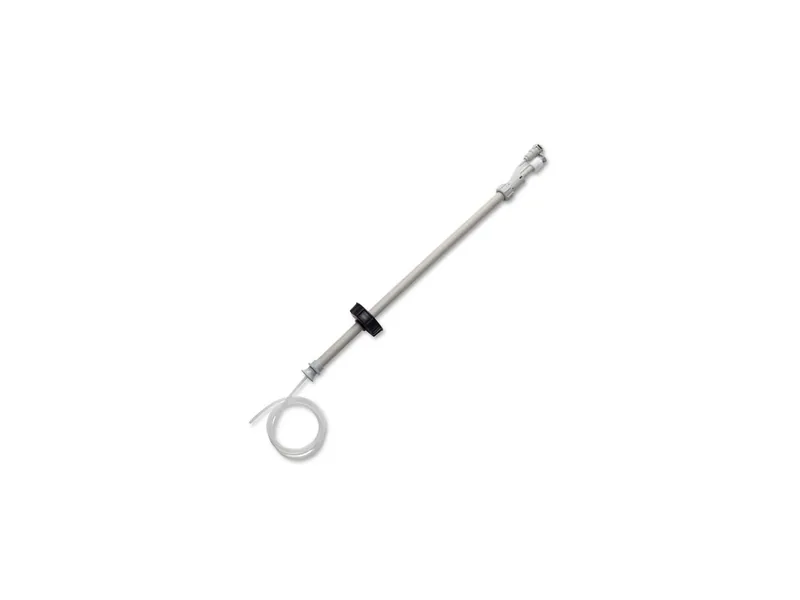
Figure 1: ProMinent suction assembly with float switch. Image source: ProMinent official website
- Match the chamber and float material to the chemical. PVC or PP versions are common on PE tanks.
- A side nozzle on a plastic tank needs reinforcement, or the flange will start weeping after a few seasons.
- With PAC, lime slurry or anything that settles, the float can stick inside the chamber. The indicator keeps showing a level while the real level has already dropped.
- Avoid it where the chamber could freeze in winter.
For remote signals, clip reed switches or a transmitter to the outside of the chamber to get on/off or 4-20 mA outputs.
Float switch: the basic low-level protection
A float switch rises and falls with the liquid and changes contact state at a fixed height. On dosing skids the most common version is mounted on the suction lance. ProMinent, for example, builds the suction pipe, foot valve and float switch into one suction assembly that drops into the tank. The switch connects to the pump level input, so the pump stops and alarms when the tank is nearly empty.
Float switches are cheap, easy to fit and tolerate cloudy liquids. Their limitation is that they only report a point, not how much chemical remains. So this chemical tank level sensor usually works as protection, paired with a magnetic gauge or an ultrasonic unit for display. For wiring and delay settings, see how to set up a dosing pump low level alarm.
Mount the low-level switch above the suction inlet. Leave a margin, or the pump will already be drawing air when the alarm trips.
Ultrasonic transmitter: continuous signal without contact
An ultrasonic transmitter sits on the tank roof, sends a pulse down to the surface and calculates the level from the echo time. It outputs 4-20 mA to the PLC, never touches the chemical, and needs no side nozzle. That makes it a strong chemical tank level sensor for aggressive or dirty liquids.
It is picky about site conditions, though:
- Foam absorbs the pulse, so polymer (PAM) solutions and some surfactant products give unstable readings.
- Fumes and condensation on the sensor face, common above concentrated hydrochloric acid or hypochlorite, distort the echo.
- Keep the sensor away from the mixer shaft, the fill inlet and the tank wall. There is a dead band below the face, and the full level must stay out of it.
- On short tanks the dead band eats a big share of the range.
How to choose a chemical tank level sensor: a decision order
Work through the options in this order:
- If the chemical crystallizes, settles or is viscous, skip the magnetic gauge and favor ultrasonic or a float switch.
- If the surface foams or the headspace is full of fumes, skip ultrasonic and use a contact type.
- If you only need pump protection, a float switch is enough. For remote trends, choose ultrasonic or a magnetic gauge with a transmitter.
- For critical chemicals, combine two devices: one chemical tank level sensor for continuous measurement and an independent float switch for low-low protection.
Point 4 is the one most projects miss. When a single chemical tank level sensor is also the only pump stop signal, one failure means either a dry-running pump or an overflowing tank, and nobody notices until damage is done.
Chemical tank level sensor installation and maintenance pitfalls
A fill inlet placed close to the sensor makes the surface churn during refills, so readings jump and float switches chatter. Keep the fill point away from the level devices and the suction lance. Lift and test float switches by hand on a regular basis to confirm the pump really stops and the alarm really sounds. Wiping the ultrasonic face during routine rounds prevents most drift complaints. A sticky contact found during a test is far cheaper than one found after the tank has run dry.
Safety note: before removing any chemical tank level sensor, drain the tank below the nozzle, wear gloves and eye protection, and isolate power before touching the wiring.
Conclusion
There is no universal chemical tank level sensor. A magnetic gauge gives a clear local reading for clean liquids, a float switch is the baseline for low-level shutdown, and an ultrasonic transmitter suits continuous measurement without contact, as long as foam and condensation stay under control. On important dosing tanks, separate continuous measurement from independent protection. Gather the chemical name, concentration, tank material and size, and the signals you need, then browse our level switch products, the overview of chemical dosing system components and ProMinent accessories, and contact us for help completing the package.
FAQ
Can a magnetic level gauge go on a PE tank?
Yes, but the side nozzle needs reinforcement, and the flange and gasket must resist the chemical. On thin-walled tanks, a roof-mounted ultrasonic unit or a float switch is often easier.
If the float switch is wired to the pump, does it also need a PLC input?
It depends on the system. The pump can stop on its own level input, but sending a parallel signal to the PLC lets the control room see the alarm.
Why does the ultrasonic reading keep jumping?
Typical causes are foam, condensation on the sensor face, or a position too close to the mixer or fill inlet. Check the mounting first, then clean the sensor.
Which chemical tank level sensor works for sodium hypochlorite?
Usually a magnetic gauge for display plus a float switch for low-level protection. Hypochlorite releases gas and the headspace condenses heavily, so ultrasonic needs care.
How often should tank level devices be checked?
Compare the reading with the sight level during routine rounds and recalibrate when it drifts. Float switches are generally tested by hand about once a month.