
Glycol Injection Pump Selection: MEG Hydrate Control vs TEG Dehydration
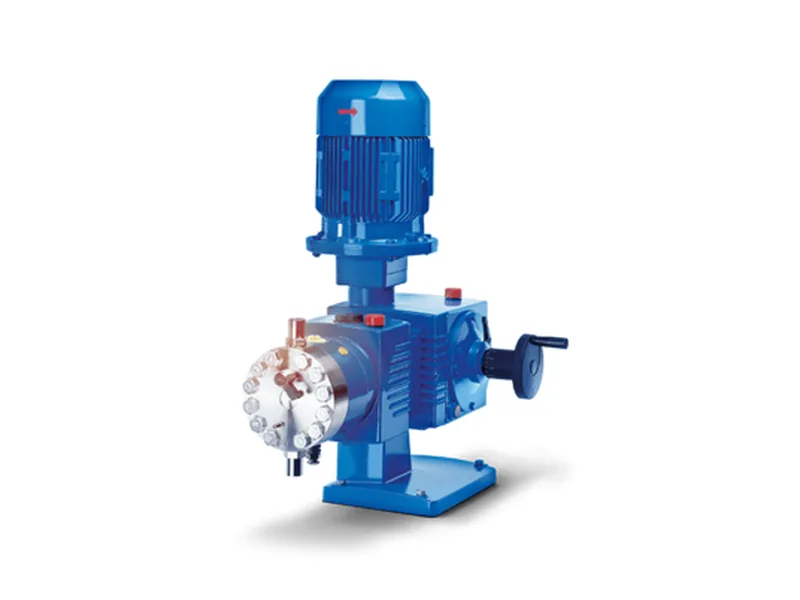
Choosing a glycol injection pump starts with one question: is it MEG injection for hydrate inhibition, or a TEG dehydration loop? Injecting MEG (monoethylene glycol) into wellheads and gathering lines calls for a high-pressure metering pump that can overcome line pressure, split flow between wells and dose accurately; plunger and hydraulic diaphragm pumps are both common. A TEG (triethylene glycol) dehydration unit circulates lean glycol between a contactor and a regenerator, so the pump behaves more like a circulation pump where continuous duty and pressure match matter most. Both get called glycol injection, yet the selection logic is quite different. This guide is for process and equipment engineers at gas gathering and processing facilities. Unpowered wellsite injection is outside its scope.
MEG injection vs TEG dehydration
MEG injection for hydrate inhibition
At high pressure and low temperature, water and light hydrocarbons in wet gas can form ice-like hydrates that plug lines and chokes. Injecting glycol into the gas stream lowers the hydrate formation temperature so the line stays clear under operating conditions.
Downstream of the glycol injection pump, the MEG travels with the gas, separates out downstream with produced water and goes to regeneration, where excess water and, in some systems, salts are removed. Lean MEG is then pumped back to the injection points. A typical MEG system is a full loop: inject, recover, regenerate, reinject.
TEG gas dehydration pump duty
TEG dehydration removes water from gas to meet sales dew point. Lean TEG enters the top of the contactor, absorbs water as it flows against the gas, then goes as rich TEG to the reboiler. A TEG gas dehydration pump returns lean glycol to the contactor, so strictly speaking it is not a glycol injection pump. It must overcome contactor pressure, and its flow is set by circulation rate, not by per-well dosing.
In short: MEG is injected into pipelines to prevent blockages, while TEG circulates in towers to dry gas.
Injection points and pressure rating
MEG injection points are usually near the wellhead choke, at the gathering line inlet, or upstream of sections where gas cools. The closer the injection point sits upstream of where hydrates could form, the better it works.
Discharge pressure of the glycol injection pump must exceed the highest operating pressure at the injection point, with margin for line losses and injection valve cracking pressure. Whether to size for maximum shut-in pressure or normal operating pressure is a decision to confirm with the process team. Many inquiries leave this out.
Fit a check valve and a root isolation valve at each injection point so gas cannot back up into the line when the glycol injection pump stops. When several wells share one pump skid, each branch needs its own flow adjustment and metering.
Cold viscosity and suction problems
Glycol thickens noticeably as it cools. In winter or at cold outdoor skids, poor suction is the most common complaint with a glycol injection pump. The symptoms: discharge pressure looks normal, actual injection is low, and the liquid end may get noisier.
What helps:
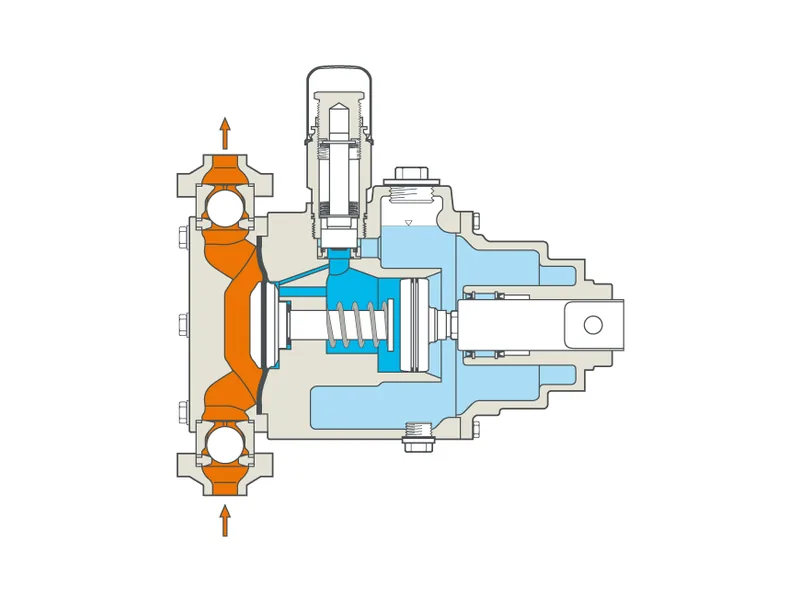
Figure 1: LEWA ecoflow hydraulic diaphragm pump head cutaway. Image source: LEWA official website
- Keep the suction line from tank to pump short and generously sized.
- Insulate and heat trace the tank and suction line so the glycol stays within a temperature range the pump can draw.
- Use a large-bore suction strainer and clean it regularly; regenerated MEG can carry salts and debris.
- Avoid very high stroke rates so check balls have time to reseat in viscous liquid.
Plunger or hydraulic diaphragm glycol injection pump?
Both are used as a glycol injection pump, chosen by pressure, flow and leakage requirements.
A plunger metering pump is simple, handles high pressure well and is economical at larger flows. Its packing allows slight leakage that needs periodic adjustment and replacement. For clean lean MEG at sites that can collect minor leakage, a plunger pump is a practical choice.
A hydraulic diaphragm metering pump separates the glycol from hydraulic oil with a diaphragm, so nothing leaks to atmosphere. Regenerated MEG may contain dissolved hydrocarbons, which makes a double diaphragm with rupture detection the safer option; see double diaphragm metering pump principle.
Multi-well injection often uses a multiplex pump: one motor driving several heads, each with its own stroke adjustment for one well or branch. The LEWA ecoflow hydraulic diaphragm metering pump can be built in multiplex arrangements, with heads and pressure rating selected to suit the duty. For high-pressure selection logic, read hydraulic diaphragm metering pump selection.
Hazardous areas, metering and safety
Most gas facilities are classified hazardous areas. Motors, control panels and instruments on the glycol injection pump skid must match the area classification; see explosion-proof metering pump selection.
Every glycol injection pump should have verifiable injection rates. Install a flow meter on each branch, or at least calibrate with a calibration column on site so stroke settings match real flow. Underdosing risks hydrates; overdosing wastes glycol and loads the regeneration unit.
Install a relief valve on the glycol injection pump discharge and route it back to the tank, not to grade. Before maintenance, stop the pump, close the root valve at the injection point and bleed line pressure before opening anything. Keep gas detection running on site.
More high-pressure models are listed under hydraulic diaphragm metering pumps.
Conclusion
The first step in glycol injection pump selection is separating MEG injection from TEG dehydration: one is high-pressure, multi-point metered injection, the other is tower circulation. For MEG, confirm the highest pressure at each injection point, keep suction lines short, warm and large to avoid cold-weather underdosing, and pick the pump type to suit: plunger for economy and high pressure, hydraulic diaphragm for zero leakage, with a double diaphragm when regenerated MEG carries hydrocarbons. Add hazardous-area compliance, branch metering, relief and check valves, and the system will run reliably. Send us the number of injection points, flow per point, maximum pressure, glycol composition and ambient temperature, and contact our engineers to review the pump and skid configuration.
FAQ
Glycol or methanol for hydrate inhibition?
Both inhibit hydrates. Glycol is usually recovered and regenerated, while methanol is more often used once through, so the choice depends on recovery facilities and process needs.
How do I set the discharge pressure of a glycol injection pump?
Take the highest pressure that can occur at the injection point, then add line losses and margin. Confirm with the process team whether shut-in or operating pressure governs.
Injection drops in winter. Is the pump failing?
Usually not. Check suction temperature and the strainer first; cold, thick glycol and a blocked strainer both cause underdosing.
Can one pump serve several wells?
Yes, with a multiplex pump where each head feeds one branch with its own adjustment. A flow meter on each branch makes verification easy.
Can a metering pump be used as a TEG circulation pump?
It can, sized for circulation rate and contactor pressure. TEG duty values continuous reliability more than the tight accuracy MEG injection needs.