
Stator Cooling Water Treatment: Alkali Dosing and Conductivity Control
Stator cooling water treatment is a balancing act. Conductivity must stay very low to protect the insulation of the stator bars, yet pH must not drift too low or the hollow copper conductors corrode, releasing copper that can deposit and restrict cooling passages. Micro alkali dosing sits between those two requirements: a tiny amount of caustic raises pH into a slightly alkaline range without letting conductivity exceed its limit. This article is written for power plant chemists and operators responsible for water-cooled generators.
Why stator cooling water needs treatment
In a water-cooled generator, the stator bars are built from hollow copper strands, and cooling water flows directly through them to carry heat away. That design sets strict requirements for stator cooling water:
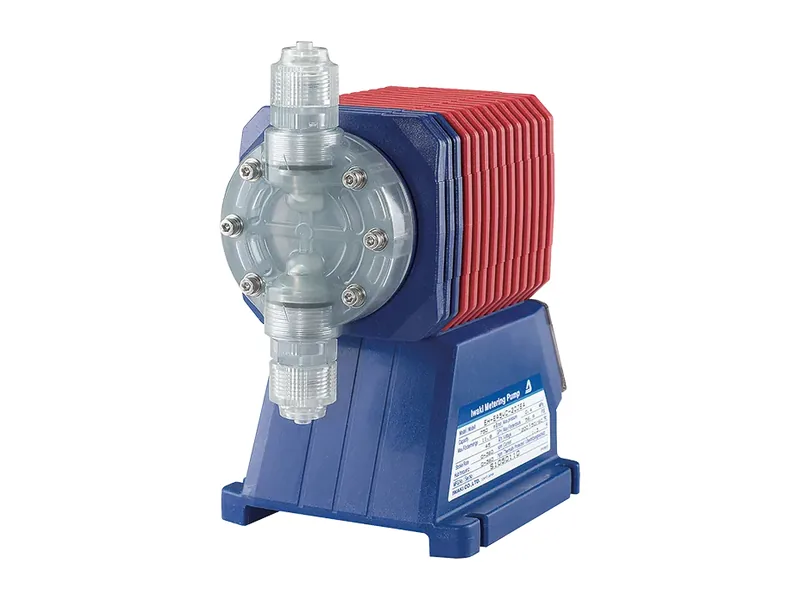
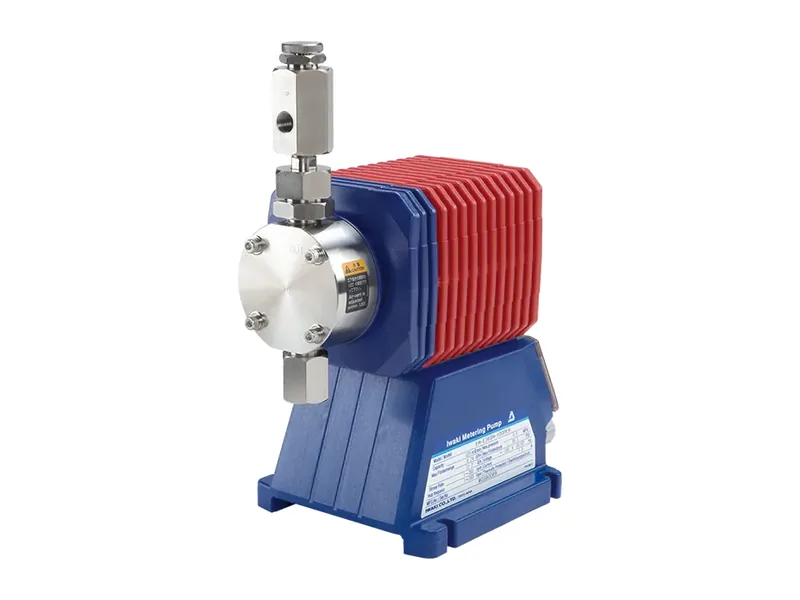
Figure 1: IWAKI EH-E series solenoid metering pump. Image source: IWAKI official website
- Low conductivity: the water runs between high-voltage bars, so higher conductivity increases leakage current and threatens insulation.
- Suitable pH: demineralized water near neutral or slightly acidic speeds up copper corrosion.
- Low copper content: corrosion products deposit in the strands, reducing cooling and potentially causing local overheating.
- Dissolved oxygen control: requirements depend on the treatment regime and the manufacturer's design.
Actual limits should follow the applicable standards and the generator manufacturer's instructions. Many generators combine a water-cooled stator with a hydrogen-cooled rotor, and some stator cooling water systems run with a gas blanket in the head tank, which also affects how much carbon dioxide or oxygen reaches the water.
Common treatment approaches
Plants typically use one of these methods:
- Bleed and feed: top up with demineralized water or condensate and bleed off part of the inventory. Simple, but water use is high and pH is hard to raise.
- Side-stream mixed bed polishing: a small ion exchange bed removes ions and keeps conductivity low, but it also pushes pH down.
- Mixed bed plus micro alkali dosing: the mixed bed controls conductivity and a trace of sodium hydroxide lifts pH into the slightly alkaline range.
- Sodium-form or special resin units: resin configurations designed to adjust pH and conductivity together.
The third approach is widely used, and its success depends almost entirely on precise control of the alkali dose.
How micro alkali dosing works
The chemical is dilute sodium hydroxide, and the dose is very small. Three points matter:
- Low solution strength: make up with demineralized water in a sealed tank so the solution does not absorb carbon dioxide from air.
- A small, steady metering pump: choose a pump that can deliver very low flows accurately, with adjustable stroke and frequency and preferably external signal control.
- pH control with a conductivity ceiling: pH is the control target, while conductivity acts as a high limit that cuts back or stops dosing as it approaches the limit.
The injection point is usually downstream of the mixed bed, so freshly polished, low-conductivity water receives the alkali before returning to the loop. Overdosing drives conductivity over the limit almost immediately, so the interlock matters more than the control loop itself.
Compared with ammonia dosing into condensate and feedwater, stator cooling water dosing is smaller and far more sensitive to conductivity, so do not copy that design. The contrast is clear in condensate ammonia dosing.
Instruments for stator cooling water
Micro alkali dosing depends on good online instruments:
- Conductivity: low range and high accuracy, with correct temperature compensation. Measurement pitfalls are covered in pure water conductivity measurement.
- pH: measuring pH in low-conductivity water is difficult, so choose an electrode and flow cell designed for pure water and calibrate regularly.
- Dissolved oxygen and copper: measured online or by lab sampling as the unit requires.
Some plants also read resistivity alongside conductivity; the relationship is explained in resistivity vs conductivity meters.
Pump selection
The alkali flow is tiny, so a small solenoid metering pump is the usual choice, for example the IWAKI EH-E series with adjustable stroke rate and stroke length; see the IWAKI EH-E page. PVC or PVDF heads are sufficient, and tubing should be stainless steel or clean plastic so no contaminants enter the loop. More small-flow models are in the solenoid metering pump category.
Provide duty and standby pumps and switch them periodically. Fit a low-level alarm on the solution tank so the pump never runs dry and draws air.
Common problems with stator cooling water dosing
What plant chemists run into most often:
- Sudden conductivity rise: alkali overdose, an exhausted mixed bed or poor makeup water. Stop dosing first, then investigate.
- Low pH and rising copper: underdosing, or the alkali solution has absorbed carbon dioxide and weakened. Check the solution and the pump output.
- Drifting pH readings: unstable measurement in low-conductivity water. Clean and calibrate the electrode and keep flow cell flow steady.
- Pump not delivering: gas bubbles have a large effect at tiny flows. Vent the head and keep the suction short.
Stator cooling water directly affects generator safety. Any change should follow the plant's approval procedures, and gloves and goggles should be worn when making up caustic.
Conclusion
Stator cooling water treatment balances low conductivity against copper-friendly pH. A common solution is mixed bed polishing for conductivity and micro alkali dosing for pH. Success depends on dilute solution, a small and steady metering pump, and logic that treats conductivity as a hard ceiling, supported by instruments suited to pure water and calibrated regularly. Send your generator type, current treatment method and control limits through the contact page and we will review the pumps and controls for your stator cooling water dosing.
FAQ
Why must stator cooling water conductivity stay so low?
The water flows between high-voltage bars, and higher conductivity increases leakage current and risks insulation damage.
What chemical is used to raise pH?
Usually dilute sodium hydroxide made up with demineralized water in a sealed tank to keep carbon dioxide out.
Where should the alkali be injected?
Normally after the mixed bed, so low-conductivity water receives the alkali before it re-enters the loop.
What happens if too much alkali is added?
Conductivity exceeds its limit quickly, so the control logic should cut back or stop dosing as conductivity nears the ceiling.
How big should the dosing pump be?
The flow is very small. Size it from loop volume and alkali demand, typically a finely adjustable small solenoid pump.