
Food Waste Plant Chemical Dosing: Odor, Oil Recovery and Wastewater
A food waste processing plant does not have one chemical dosing point, it has a chain of them. The reception hall needs odor control, pulping and oil recovery need a demulsifier, the anaerobic digester needs alkalinity and sometimes antifoam, and the digestate liquor and washdown water need coagulation and pH control before biological treatment. Each point uses a different chemical and a different pump, and a weak link shows up quickly as odor complaints, oil carryover or failed effluent. This article follows a typical food waste line from tipping floor to outfall.
The treatment line and its dosing points
A common food waste process runs: reception, sorting and shredding, pulping, thermal hydrolysis or heating, three-phase separation for oil recovery, anaerobic digestion, digestate dewatering, and treatment of the liquid fraction. Along that line, chemicals usually go in at these points:
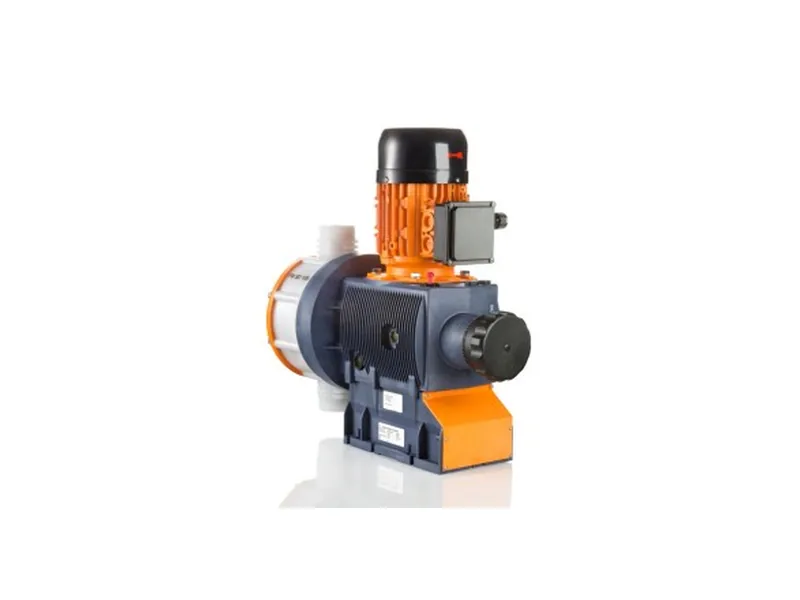
Figure 1: ProMinent Sigma/ 2 basic type motor-driven metering pump. Image source: ProMinent official website
- Odor control: chemical scrubbers dosed with acid, caustic or an oxidant; some halls also use plant-based misting.
- Around three-phase separation: demulsifier to improve oil and water separation and oil yield.
- Anaerobic digestion: alkalinity when the digester starts to sour, antifoam when it foams.
- Digestate dewatering: polymer for centrifuges or presses.
- Liquid treatment: coagulant and polymer, pH correction, and a carbon source if the biology removes nitrogen.
Odor control scrubbers
Food waste odor is dominated by hydrogen sulfide, ammonia and organic sulfur compounds. Chemical scrubbers are usually two-stage: an acid stage removes ammonia, and a caustic or oxidizing stage removes hydrogen sulfide and some organics. Scrubber liquor pH has to stay stable, so pH sensors drive metering pumps that top up sulfuric acid and caustic, while ORP controls hypochlorite in the oxidizing stage.
Recirculation flow in a scrubber is large, but the make-up dose is small, so small solenoid pumps or compact motor-driven pumps are typically enough. The instruments matter more than the pumps. pH electrodes in oily, sulfide-laden air foul easily and need regular cleaning and calibration.
Demulsifier for oil recovery
After heating, most of the fat in food waste slurry is released, but part of it stays emulsified. Adding a demulsifier ahead of the three-phase separator gives cleaner oil and lower oil in the water phase. Product choice and dose should come from bench tests, then be trimmed in the field based on oil color and oil-in-water readings. The general approach is the same as in oily wastewater demulsifier dosing.
More demulsifier is not always better. Overdosing can make the water phase cloudy and upset the digester, so start low and step up.
Digester alkalinity and antifoam
Food waste slurry is strong and acidifies easily. When volatile acids build up, operators add caustic or sodium bicarbonate, sized from the ratio of volatile acids to alkalinity. Foaming is also common, usually from overloading or too much fat and protein in the feed. Antifoam is an emergency measure; the real fix is controlling feed rate and blend.
Digestate and wastewater treatment
Digestate liquor plus washdown water forms the wastewater stream from a food waste plant. It is high in ammonia, suspended solids and residual fat. Coagulation and DAF typically remove solids and fat up front, with the PAC to polymer ratio set by jar test as described in PAC and PAM dosing ratio; DAF design is covered in DAF chemical dosing. Biological nitrogen removal often runs short of carbon, so a carbon source and alkalinity are added in the biological stage.
Some plants discharge to sewer after this, while others go on to membranes, which then need antiscalant and biocide dosing as well.
Pumps and materials
Chemical dosing in food waste plants covers sulfuric acid, caustic, hypochlorite, demulsifier, antifoam, PAC, polymer and carbon source, so the mix is broad and the points are many. Larger continuous feeds such as digester alkalinity and PAC suit motor-driven diaphragm pumps like the ProMinent Sigma/ 2 basic type, described on the ProMinent Sigma/ 2 page. Scrubber make-up and demulsifier are small enough for solenoid pumps.
PVDF heads are a safe choice for sulfuric acid and hypochlorite. For demulsifiers and antifoams, confirm the formulation before choosing seal materials. More pump types are in the metering pump category.
Common problems in food waste dosing
What operators see most often:
- Feed lines choked with fat: worst in winter; insulate lines near injection points or flush them with hot water.
- Odor still escaping the scrubber: pH or ORP control has drifted. Calibrate the electrodes, then check the make-up pumps.
- Digester foam overflow: reduce feed first; antifoam only buys time.
- Ammonia stays high in treated liquor: not enough carbon or alkalinity in the biological stage.
Where hypochlorite and acid are both stored, prevent accidental mixing that releases chlorine gas, ventilate the dosing room, and stop and depressurize pumps before opening lines.
Conclusion
Plan chemical dosing point by point along the food waste line. Scrubbers rely on pH and ORP control, oil recovery relies on carefully trialed demulsifier doses, the digester relies on alkalinity management and feed control, and the liquid stream relies on coagulation, DAF and carbon dosing. Use motor-driven diaphragm pumps for large feeds and solenoid pumps for small ones, with heads and seals matched to each chemical. Send your capacity, process flow and chemical list through the contact page and we will help size every pump on your food waste line.
FAQ
What chemicals are used for food waste odor control?
Sulfuric acid to capture ammonia, and caustic or hypochlorite to remove hydrogen sulfide and some organics, chosen by odor composition and scrubber design.
Where should demulsifier be added?
Usually into the slurry line or buffer tank ahead of the three-phase separator, with enough mixing time, starting at a low dose.
What should I do if the digester sours?
Cut the feed rate, then add caustic or bicarbonate to restore alkalinity, and test volatile acids and alkalinity daily.
Why is ammonia so high in digestate liquor?
Digestion breaks protein down into ammonia, so the liquor typically needs biological nitrogen removal or another ammonia removal step.
How many metering pumps does a food waste line need?
It depends on the process, but scrubbers, demulsifier, alkalinity, antifoam, PAC and polymer each usually need a duty pump, often with standby.