
Four-Electrode Conductivity Sensors for High Conductivity and Fouling
In cooling-tower blowdown, high-salt wastewater and some acid or caustic make-up tanks, a two-electrode probe often polarizes or changes its cell constant as a film grows, and the reading walks away. Four-electrode conductivity uses a current pair and a voltage pair, so it is typically less sensitive to polarization and fits mid to high conductivity and fouling water better. It is not a universal cell. Low-conductivity pure water still usually takes a two-electrode cell, and aggressive concentrated acids or alkalis may need an inductive sensor. This note is for instrument and process technicians on where four-electrode conductivity belongs. General selection is in online conductivity meter selection. Compensation is in conductivity temperature compensation.
How four-electrode conductivity works, and how it differs from a two-electrode cell
A two-electrode probe both drives current and measures voltage on the same pair, so surface polarization, fouling and lead resistance all enter the reading, more so at high conductivity. A four-electrode conductivity sensor usually has a current pair and a voltage pair. The current electrodes send a known current into the water; the voltage electrodes measure the potential with almost no current drawn, and conductivity is calculated from that. Polarization resistance at the surface then has much less effect, and the cell constant typically holds better.
The cell still contacts the process. Scale, oil and bubbles will still block the measurement. Cleaning is still required, though the interval is often a little longer than for a two-electrode cell in the same water, depending on the fouling. Choose the cell constant for the range. Do not take a small-constant four-electrode conductivity cell meant for purer water and put it in a strong brine. ProMinent DULCOTEST conductivity products include more than one process construction. Put the conductivity range and the medium on the order so the shipment is not the default two-electrode type. A diaphragm metering pump such as a LEWA ecoflow can act as the blowdown or chemical actuator. When it is interlocked with four-electrode conductivity, check the range and the damping.
Temperature compensation is still required. The temperature coefficient of a strong solution is not the same as for fresh water and must be set for the medium. Mount the cell in a full, vented line, and keep the face off a direct hit from solids.
Where four-electrode conductivity fits, and where another cell is better
Concentrated cooling-tower blowdown, mid to high-salt wastewater, RO concentrate and ordinary acid or caustic make-up tanks are typical four-electrode conductivity duties, provided the value sits inside the cell range. When the job is a trend, a blowdown valve or a batch end-point, stability matters more than a laboratory-grade last digit. In low-conductivity pure water the advantage is small, and a two-electrode cell in a sealed flow cell is still the usual choice. For hydrofluoric acid, a strongly corrosive stream, or a slurry that crystallizes, check the materials or move to an inductive (toroidal) cell so metal electrodes are not eaten or bridged by scale.
Cable length and the transmitter must match. Four-electrode conductivity uses more conductors than a two-electrode cell, and a swapped terminal can produce a number that still moves but is simply wrong. Follow the shield and earth instructions. If the signal will drive a dosing pump or a blowdown valve, set range and damping so a short bubble does not stroke the valve. Cooling-water context is in conductivity monitoring for cooling water cycles and cooling tower cycles of concentration.
A mounting, cleaning and calibration list for four-electrode conductivity
Use these checks in the field:
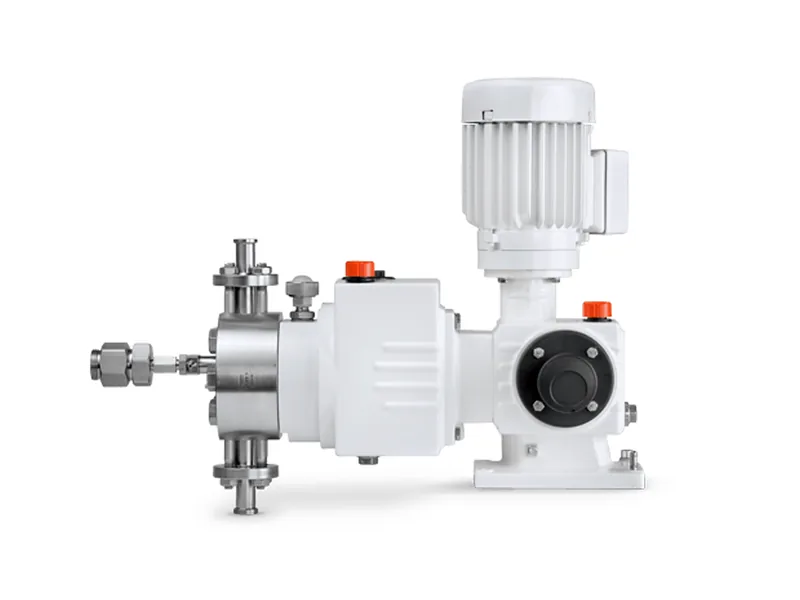
Figure 1: LEWA ecoflow sanitary. Image source: LEWA official website
- Do conductivity range, temperature and corrosivity sit inside the sample range of this four-electrode conductivity cell?
- Is the mounting full and vented, and can sludge or bubbles sit on the electrodes for long periods?
- Are the transmitter terminals, the number of cores and the shield wired for a four-electrode cell?
- Is the temperature coefficient set for this medium, not the factory fresh-water default?
- Do the cleaning interval, the cell-constant check and the standard concentration match high-conductivity service?
Do not scrape the electrodes or the seals with a tool that will cut them. Verify the cell with a standard close to the working range, not with a single weak KCl bottle on a high-conductivity probe. Rinse after the check so leftover standard does not shift the next shift's process reading. Brand pages are on ProMinent.
Before a new cell goes into service, compare it with a known standard or a site reference and see whether the constant is close to the factory value. If the gap is large, check the wiring before you blame the probe. A four-electrode conductivity cell that has sat idle should be cleaned and stored as the manual says, not hung on a shop wall under a crust of dry sludge.
In winter or in a hot process, a poor temperature element can lift or suppress the whole conductivity value and look like a sudden change in cycles of concentration. When you troubleshoot, write down the temperature display together with the conductivity.
Keep the last verification and the standard lot number in the same log as the blowdown setpoint. If someone changes the cell constant during a clean and does not record it, the next comparison with the laboratory will look like a process shift.
If four-electrode conductivity drifts, do not change the constant first
Drift on a four-electrode conductivity cell is still usually fouling, bubbles, compensation or wiring, not a constant that walked off by itself. Clean and vent, then compare with a laboratory conductivity. Repeated constant edits scramble the meter and make later judgement harder. If the surface is worn or the insulation is damaged, replace the cell. Do not keep it alive by editing parameters.
Conclusion
Four-electrode conductivity separates the current and voltage electrodes, so it suits mid to high conductivity and fouling water and reduces polarization error. Pure water still usually takes a two-electrode cell, and aggressive or scaling service may need an inductive sensor. Mount the cell full and vented, and calibrate with a standard close to the working range. Send the conductivity range, the medium and the current probe, and contact us so we can say whether four-electrode conductivity or another construction is the better fit.
FAQ
Is four-electrode conductivity more accurate than a two-electrode cell?
Not in every water. In high conductivity and in water that polarizes, it is typically more stable. In clean low-conductivity water a two-electrode cell is often enough, and it may be no less accurate.
Does a four-electrode conductivity cell still need cleaning?
Yes. It is only less sensitive to polarization. Scale and bubbles still move the reading.
Can I use it in concentrated sulfuric acid or hydrofluoric acid?
Check the materials and the maker's note. Many metal electrodes will not survive those media, and an inductive or special cell may be required.
Can I extend the cable at will?
No. Four-electrode conductivity wiring is more sensitive to resistance and noise. Lengthen it only as the manual allows, or use the specified cable.
What standard concentration should I use?
Stay close to the everyday range. A standard that is much too low or too high will leave a larger error in the working band. A four-electrode conductivity check should be done in that working band.