
High Temperature pH Electrode Selection: Heat, Pressure, Cooling
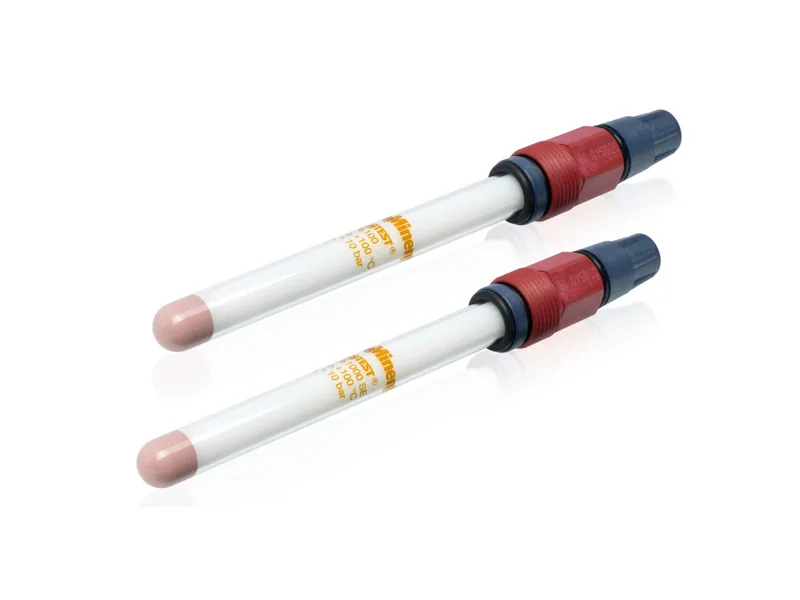
Boiler feedwater, thermal deaerators, sterilizing fermenters and some reactors run well above the limit of a standard plastic-body probe. Putting a water-works electrode straight into that stream usually ends with a cracked bulb or a dead slope. The fix is a high temperature pH electrode, or a cooled sidestream, not a hope that the ordinary probe will “last long enough.” Selection has to cover continuous temperature, short peaks, pressure, and whether the probe can be withdrawn for calibration. This note is for instrument and process technicians. Calibration practice is in how to calibrate an online pH analyzer. Mounting and flow cells are in the analyzer installation and flow-cell guide.
What a high temperature pH electrode is built to handle
A typical plastic probe is rated around 60 °C to 80 °C, depending on the seals and the electrolyte. Above that range you need a high temperature pH electrode: the glass, the reference solution and the body are made for heat. Continuous limits often sit above 100 °C; some models allow a higher short-term peak. The body may be PPS, PVDF or a stainless sheath, and the threads and O-rings have to follow the same thermal expansion.
Temperature compensation matters as much as the glass. A pH value without a temperature at those conditions is not usable. Many a high temperature pH electrode includes a Pt100 or Pt1000. Others use a separate ProMinent DULCOTEST temperature sensor into the same transmitter. Either layout works if the temperature element and the pH membrane sit in the same water. Do not take temperature from a pipe that has already been cooled. The idea of compensation is related to conductivity temperature compensation, but the pH isopotential and the curve are not the same as a conductivity coefficient. Do not copy the same numbers across.
If the line is also under pressure, rate the probe and the housing together. In a closed hot line, pressure and temperature usually rise together. A probe chosen only for hot water at atmospheric pressure will fail at the gasket or the junction.
When cooling is better than forcing a high temperature pH electrode into the hottest point
Not every hot duty requires the probe to sit at the peak temperature. Condensate, hot recirculation or a post-sterile line can go through a cooled jacket or a sidestream flow cell, bringing the sample into the probe’s allowed range. A mid-range probe can then be used, and calibration is easier. The cost is lag. If cooling water stops, the probe can still overheat.
A cooled sample must be representative: no dead leg, and a stable flow. A fouled cooler is equal to running the probe dry-hot. If the process must see pH inside the vessel and no sample line is possible, then a true high temperature pH electrode is required, with a retractable housing so the crew can calibrate during a stop.
Direct steam impingement, quench-and-heat cycles, and mixed gas-liquid slugs damage probes faster than a slightly higher average temperature. Keep the installation off the steam inlet and the most violent boil zone. Add a protective sheath if needed.
A checklist for hot-service selection and mounting
Before the drawing is signed, walk through these points:
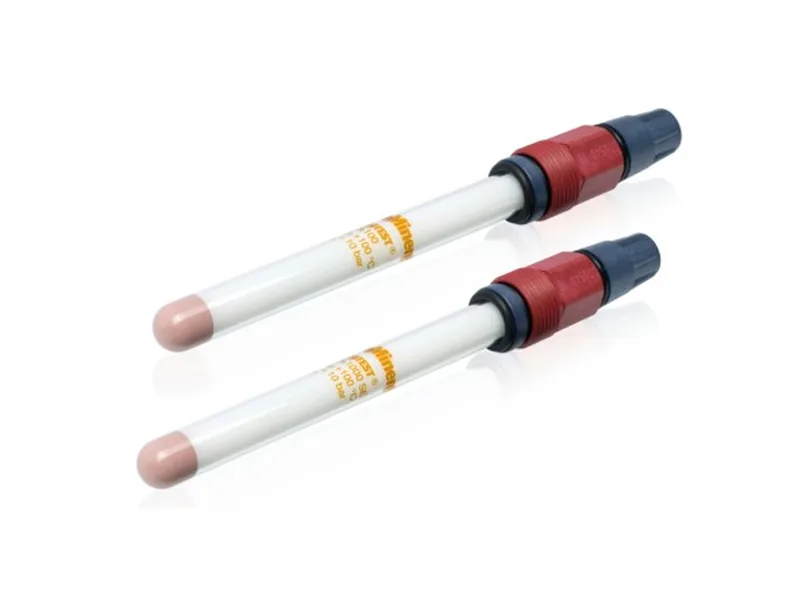
Figure 1: ProMinent DULCOTEST temperature. Image source: ProMinent official website
- Continuous temperature, short-term peak and the matching pressure, including steam blows or CIP/SIP.
- In-situ mounting versus a cooled sidestream, and whether the coolant is reliable.
- Housing material — stainless, PVDF or something else — and whether the gasket survives the medium.
- Calibration by withdrawing into buffer, or only a limited online check, and whether hot-service electrolyte is on the spare list.
- Temperature from a built-in RTD, or from a separate DULCOTEST temperature sensor.
If this pH loop drives a dosing pump, lag and a wrong compensation setting will overfeed acid or caustic. Control notes are in pH dosing system control. Products are listed under pH/ORP instruments and on the ProMinent pages.
Calibrate a high temperature pH electrode only after it has cooled
When you withdraw a high temperature pH electrode, let it cool before it touches room-temperature buffer, or the glass may crack. Buffers have their own temperature; use the value from the table at that temperature, not the 25 °C figure on the bottle. Hot residual in the housing can scald and contaminate the buffer, so rinse first.
Electrolyte and the junction usually wear faster in heat, so inspection intervals are typically shorter than in cold water. Keep the cable and the connector off the hot pipe wall. If the slope drops, rule out compensation and earthing before you decide the membrane is finished.
Conclusion
Choose a high temperature pH electrode by continuous temperature, short peaks and pressure together, and use a cooled jacket or flow cell when the probe does not have to sit at the hottest point. Measure temperature in the same water as the pH, and calibrate only after the probe has cooled, using the buffer value at the actual temperature. Send the medium temperature, pressure and mounting style, and contact us so we can say whether you need a hot-service probe or a cooled sidestream.
FAQ
If the probe is marked 130 °C, can it run at 130 °C all year?
Not necessarily. Some ratings are short-term. Use the continuous duty temperature in the manual, not the headline maximum.
Can a high temperature pH electrode use the same buffers as a cold probe?
The buffer types are generally the same, but the calibration value must match the actual temperature. Cool the probe first. Do not push a hot probe into a room-temperature bottle.
Will a cooled sidestream fail to represent the vessel?
There will be lag, and a dead-leg sample can be wrong. Keep the flow continuous and the tap representative. If control is tight, a high temperature pH electrode in situ is usually the better path.
Can I measure hot pH without temperature compensation?
The reading will be badly off and should not run a control loop. Hot service needs a reliable temperature signal, either built into the probe or from a separate sensor.
Should I remove the probe during steam sterilization?
It depends on whether the probe is rated for SIP and on the temperature and hold time. If it is not rated, isolate or remove it. If it is rated, still check the pressure and the cool-down curve so a single thermal shock does not scrap it.