
Conductivity Temperature Compensation: Reference and Coefficient
Conductivity temperature compensation exists because the conductivity of a solution changes with temperature. As the water warms, ions move more freely and the raw reading rises. Without compensation, the same basin can read differently in the morning and at noon, and a cycles-of-concentration or blowdown loop will swing with the weather. Set a reference temperature first, then choose the method and the coefficient for that water, and decide between automatic and manual compensation. This article is for instrument technicians. Coefficients come from the manual or from water data; none are invented here.
Why conductivity temperature compensation is used
A conductivity meter sees the water at the temperature it has now. Process comparisons usually need a value referred to a standard temperature. Many online meters use 25 ℃ as that reference; confirm it in the manual. Cooling-water plants use the compensated value when they watch cycles of concentration; see conductivity monitoring and cooling-water concentration. Some boiler dosing loops also take a conductivity signal; see how an automatic boiler dosing unit works.
If conductivity temperature compensation is off, or the coefficient is wrong, the meter looks inaccurate. Probe cleaning still matters, as in online analyzer calibration and electrode maintenance, but cleaning will not fix a wrong coefficient.
Reference temperature, linear coefficient, automatic or manual
When you set conductivity temperature compensation, confirm these items:
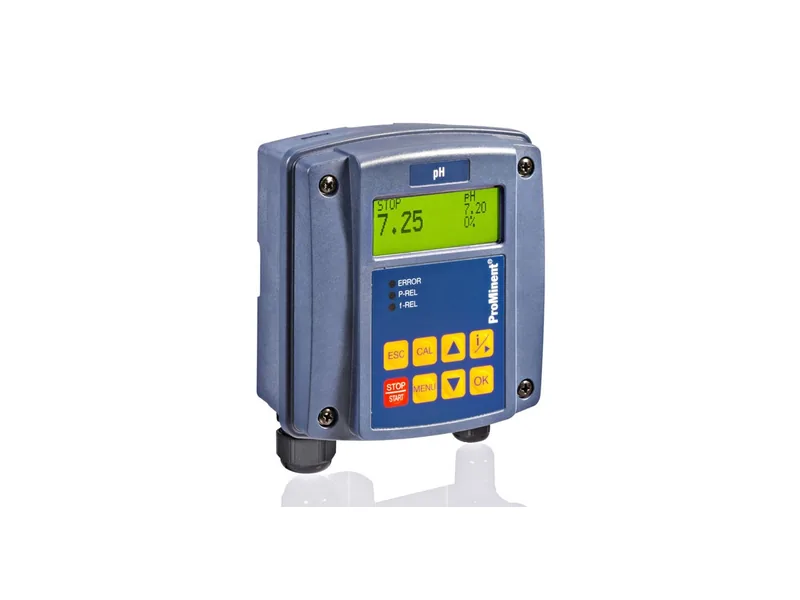
Figure 1: ProMinent DULCOMETER compact controller. Image source: ProMinent official website
- The reference temperature. The lab, the reports and the meter must use the same one. Do not let one party use 25 ℃ and another 20 ℃.
- The method. Linear compensation, using a coefficient per kelvin or per degree, is common.
- The source of the coefficient. It depends on the water. Pure water and salty cooling water do not share one number. Use the meter or sensor manual, or a water-quality document. Do not type in a guessed "typical" value.
- Automatic compensation. A temperature sensor in the same sample stream does the conversion. The temperature sensor must see essentially the same water and temperature as the conductivity cell.
- Manual compensation. An operator enters a fixed temperature. That only works if temperature almost never changes. When it does, the reading drifts.
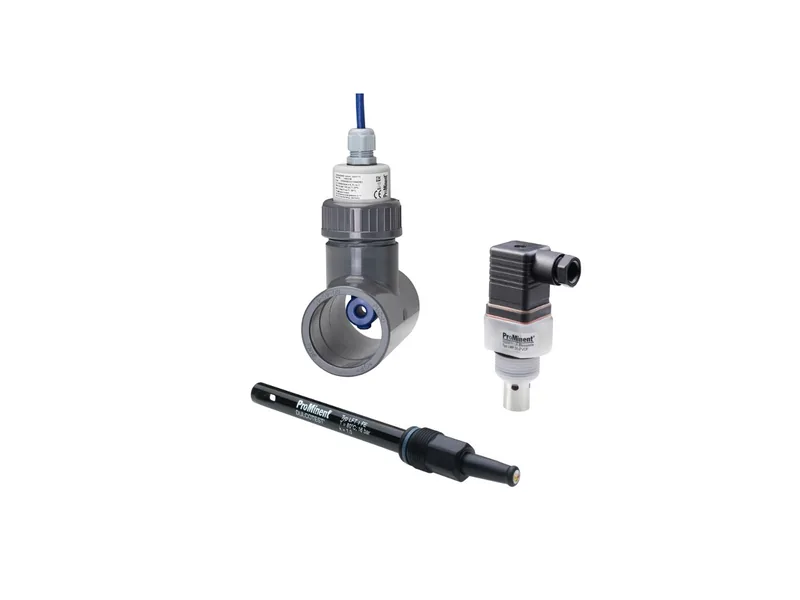
ProMinent conductivity sensors are often paired with a DULCOMETER compact controller, and the compensation parameters live in the controller menu. Compare the temperature reading with a trustworthy thermometer before you argue about the coefficient. If the temperature is already wrong, conductivity temperature compensation will be wrong too.
Pure water and condensate often need a different coefficient, or a special pure-water mode, than cooling water. Do not copy a cooling-water linear coefficient onto ultrapure water, or the other way around. If you are unsure, stay on the mode the manufacturer recommends for that cell, and write it into the commissioning record.
Calibration and field mistakes
Calibration standards have a temperature too. Follow the standard's instructions so you do not write a temperature error into the calibration. When sample temperature changes quickly, a slower temperature sensor can make the reading dip or rise for a short time. That is not always a failed cell.
After you set conductivity temperature compensation, compare at two different temperatures, or wait for a natural change in water temperature, against the lab or a second compensated meter. Agreement at a single temperature does not prove the coefficient. Copy the old value before you change it, so you can go back.
Stop the sample and depressurize before you loosen a temperature or conductivity sensor.
Seasonal swings in cooling water are a good test. If summer and winter disagree at the same apparent cycles of concentration, recheck conductivity temperature compensation and the reference temperature before you change dosing or blowdown. A note in the log across seasons is more useful than a single day's reading.
After a new cell is fitted, do not assume the last cell's compensation still belongs in the menu. Check the cell model, the K value, the reference temperature and the conductivity temperature compensation coefficient together, and write them down. Two cells with a similar range may still have different recommended modes.
If the control system also converts temperature, avoid doing it twice. When the analyzer already outputs compensated conductivity, the DCS should not apply a second coefficient, or the set point will not match the local display. Label the signal as compensated or uncompensated on the drawing and on the graphic, so the next person does not convert it again.
A long, uninsulated sample line can leave the probe at a different temperature from the basin. Conductivity temperature compensation corrects the temperature at the probe, not the temperature in the tank. If the gap is obvious, change the sample path or insulate the line instead of chasing an ever stranger coefficient. Operators who see a seasonal offset often reach for the dose or the blowdown first; a two-minute check of the reference temperature and the compensation mode is usually cheaper.
Conclusion
Conductivity temperature compensation starts with a shared reference temperature, then a method and coefficient that fit the water, and automatic compensation with the temperature sensor in the same sample. Do not invent a coefficient. Allow for the standard's temperature during calibration, and prove the setting at two temperatures. See the controllers and analyzers page and the ProMinent page. Send us the meter model and the type of water, and contact our engineers to review the menu settings.
FAQ
Can I leave conductivity temperature compensation turned off?
Only if the sample temperature is almost constant and everyone has agreed to read "conductivity at the current temperature." Most cooling-water and demineralized-water comparisons still need compensation.
Where does the linear coefficient come from?
From the meter or sensor manual, or from technical data for that water. Do not copy a coefficient from another plant or another type of water.
What happens if the temperature sensor fails?
Automatic compensation will convert on the wrong temperature, and the conductivity reading will shift. Compare the displayed temperature with the real water temperature first.
When is manual compensation acceptable?
When temperature barely changes and no temperature sensor is available, as a temporary step. If temperature moves, switch to automatic conductivity temperature compensation.
The lab and the online meter always disagree. Is it compensation?
It may be a different reference temperature, or a sampling or fouling issue. Align the reference temperature and the method first, then compare the numbers.