
FGD Additive Dosing: Feeding Limestone Slurry Enhancers and Antifoam
An FGD additive is used in small quantities but can make a noticeable difference. It helps limestone dissolve, steadies slurry pH and lets a wet scrubber hold its removal efficiency when coal sulfur rises or the unit runs at high load. Getting results depends on three things: injecting at the right point, feeding steadily in proportion to load, and keeping the concentration in the absorber from swinging up and down. This article covers how FGD additive and absorber antifoam are fed in a limestone slurry system.
What an FGD additive does
In wet limestone FGD, absorber slurry captures sulfur dioxide from the flue gas, and both the limestone dissolution rate and the slurry's buffering capacity limit how well it works. A typical FGD additive is an organic acid or a blended enhancer. Broadly it promotes limestone dissolution, increases the slurry's capacity to absorb sulfur dioxide and partly buffers pH swings.
Plants usually turn to an additive when coal sulfur has risen beyond the original design margin, when limestone quality or reactivity has dropped, or when outlet sulfur dioxide approaches its limit at full load. An additive buys margin; it does not replace missing equipment capacity. Before committing, many plants run a trial period with careful logging of unit load, inlet sulfur dioxide, slurry pH and outlet emissions, so the effect can be judged against a clear baseline.
Choosing the injection point
Three injection points are common:
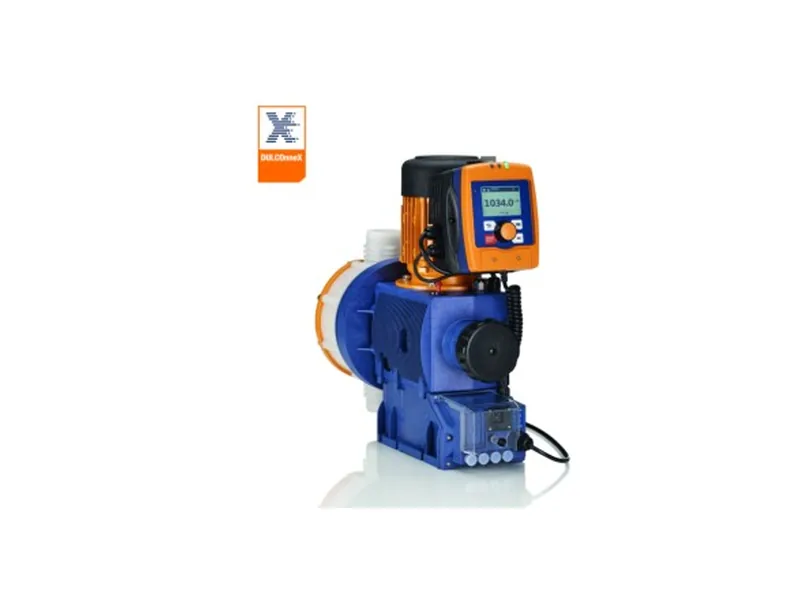
Figure 1: ProMinent Sigma/ X S3Cb control-type motor-driven metering pump. Image source: ProMinent official website
- Absorber reaction tank: direct injection into the absorber gives a quick response and suits continuous feeding.
- Limestone slurry tank: the additive enters with the reagent slurry and mixes well, but tank level and slurry feed changes alter how much actually reaches the absorber.
- Absorber area sump: convenient for batch additions but poor for accurate dosing.
Most plants choose the first. A metering pump feeds prepared FGD additive solution continuously into the reaction tank or near a recirculation pump suction so it disperses quickly. Slurry preparation itself follows the same logic as a lime slurry dosing system.
Continuous or batch feed
There are two ways to add FGD additive:
- Batch addition: a set quantity is tipped into the absorber or sump at intervals. It is simple, but additive concentration starts high and then decays, and removal efficiency follows.
- Continuous feed: the additive is prepared as a solution and metered in proportion to unit load or inlet sulfur dioxide. Concentration stays steady and consumption is usually lower. This is the recommended approach.
With continuous feed, the metering pump can follow a unit load or inlet sulfur dioxide signal. The absorber constantly loses additive through wastewater blowdown and gypsum dewatering, so set the make-up rate with blowdown and load in mind, and confirm it by testing additive concentration in the slurry periodically.
Feeding absorber antifoam
Foaming is the other common slurry problem, often linked to oil, fine dust or organics in the process water. Heavy foam fools absorber level instruments and can overflow from the top of the vessel. Antifoam is best metered continuously at a low maintenance dose and raised briefly when foam builds, rather than poured in by hand after the fact.
Feed FGD additive and antifoam separately, each with its own pump, so the two products do not mix in a common line and react or precipitate.
Pumps and piping
FGD additive and antifoam flows are small but must be steady, so motor-driven diaphragm or solenoid metering pumps are used. Back pressure at the absorber changes with slurry level, so give the pump pressure margin and fit a back pressure valve and check valve at the outlet. The ProMinent Sigma/ X S3Cb control-type motor-driven pump accepts external signals for flow control; see the ProMinent brand page and the mechanical diaphragm pump category for other options.
Remember that the metering pump handles additive solution, not limestone slurry. Pushing a solids-laden slurry through a diaphragm metering pump wears seats and jams balls, as explained in can diaphragm metering pumps handle slurries.
The area around an absorber is dusty and corrosive. Keep pumps and make-up tanks indoors or under covers, and insulate outdoor lines in winter, since some additives crystallize when cold.
Common problems with FGD additive dosing
What plants run into most often:
- No change in removal after adding additive: dose too low, wrong injection point, or efficiency limited by recirculation pumps or spray levels.
- Efficiency high, then falling: batch addition causing concentration swings. Switch to continuous feed.
- Blocked feed line: solution too concentrated, cold-weather crystallization, or slurry backing up at an injection point without a check valve.
- Recurring foam: antifoam only relieves symptoms. Check for oil carryover, dust removal performance and process water quality.
For metering pump use in other flue gas treatment plants, see metering pumps for waste incineration. Wear suitable protection during make-up and maintenance, and stop and depressurize pumps before opening lines.
Conclusion
Prepare FGD additive as a solution and meter it continuously into the absorber, adjusting the rate to load and slurry test results. That is steadier and usually cheaper than batch additions. Give antifoam its own pump at a low maintenance dose. Metering pumps should handle chemical solutions only, never limestone slurry, with check and back pressure valves at the outlet and insulated outdoor lines. Send your unit size, scrubber type and current dosing practice through the contact page and we will review your FGD additive feed setup.
FAQ
Where is the best place to inject FGD additive?
Most plants inject into the absorber reaction tank or near a recirculation pump suction for quick dispersion and steady concentration.
Can the additive be tipped in all at once?
It can, but concentration then rises and falls and removal efficiency fluctuates. Continuous feed is steadier and usually uses less.
Will an additive always improve removal?
No. Recirculation pumps, spray levels and limestone quality also limit performance, and an additive cannot fix equipment shortfalls.
Can additive and antifoam share one pump?
It is better not to. Separate pumps avoid mixing the products in a common line where they may react or precipitate.
Can a diaphragm metering pump move limestone slurry?
Generally not. Slurry solids wear seats and diaphragms; slurry transfer is handled by centrifugal slurry pumps.