
Waste to Energy Plant Dosing Pump Guide: Flue Gas, SNCR, Leachate
A waste to energy plant does not have one dosing system; it has several, spread across acid gas treatment, SNCR, leachate treatment and fly ash stabilization. Lime slurry, caustic, urea or ammonia, coagulants and chelating agents all behave differently, so each waste to energy plant dosing pump has to be chosen for its own duty rather than standardizing on one model. This guide is for operators and maintenance staff at incineration plants and for engineers designing or buying the environmental island.
Where each waste to energy plant dosing pump sits
Following the flue gas and residue path, typical feed points are:
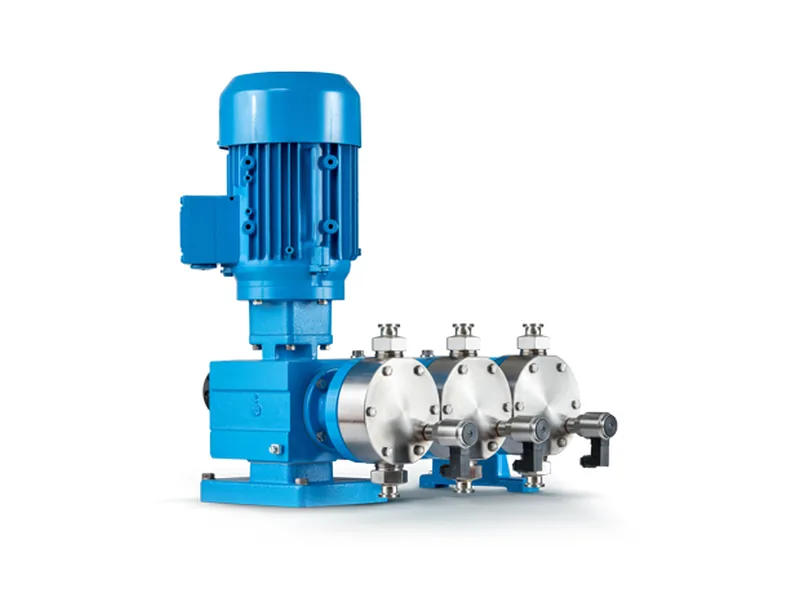
Figure 1: LEWA ecodos mechanical diaphragm metering pump layout. Image source: LEWA official website
- Furnace: urea solution or aqueous ammonia for SNCR NOx reduction.
- Acid gas reactor: lime slurry for semi-dry systems, hydrated lime powder for dry systems, sodium hydroxide for wet scrubbers.
- Heat recovery boiler: feedwater and boiler water chemicals, as in any power plant.
- Leachate plant: pH adjustment, coagulation, carbon source for denitrification, membrane antiscalant and cleaning.
- Fly ash stabilization: chelating agent and water mixed with ash.
Activated carbon and hydrated lime powder are pneumatically injected by feeders, so no waste to energy plant dosing pump is involved there.
Flue gas treatment reagent dosing: slurry and caustic are different jobs
Lime slurry is a poor fit for a standard metering pump. It carries high solids, settles quickly and is abrasive. Most plants circulate it with centrifugal or progressive cavity pumps to the rotary atomizer or lances and trim flow with a control valve or VFD against HCl and SO₂ readings. What really needs metering is the water and lime during slurry make-up. Our article on diaphragm pumps and slurries with particles explains the limits.
Wet scrubber caustic is a true metering duty. The waste to energy plant dosing pump runs under closed-loop control on scrubber liquor pH. Liquid end materials and winter crystallization are covered in our caustic soda dosing pump selection guide. Scrubber blowdown is high in salts and goes to the site wastewater system.
SNCR urea dosing in brief
SNCR sprays urea solution or ammonia into the furnace at the right temperature window to reduce NOx to nitrogen; see our guide to urea metering pumps in SCR and SNCR. What is specific to waste firing is the swing in calorific value: furnace temperature moves with the waste, so injection must follow NOx and temperature quickly, and the waste to energy plant dosing pump needs a wide turndown. Urea solution crystallizes when cold, so heat tracing and flushing on shutdown are essential.
Leachate treatment: a small wastewater plant on site
Waste stored in the bunker ferments and releases leachate with very high organic load and ammonia. On-site leachate plants usually combine pretreatment, anaerobic and aerobic biology and membranes, and they need:
- Acid and caustic for pH adjustment.
- PAC and polymer for pretreatment.
- Carbon source when denitrification runs short of carbon.
- Antiscalant ahead of NF or RO, plus cleaning chemicals.
Chemical and pump details are in our article on landfill leachate dosing. One point specific to incineration plants: the leachate plant often sits far from the main control room, so wire every waste to energy plant dosing pump's run and fault signals to the DCS. Otherwise a pump can stop at night with nobody noticing.
Fly ash chelating agent: the waste to energy plant dosing pump that follows ash mass
Fly ash contains heavy metals and must be stabilized before disposal. The usual method mixes ash, liquid chelating agent and water in a pug mill or mixer. Chelant should be fed in proportion to ash mass; with uneven ash discharge, a fixed rate gives alternating over- and under-treatment. The steadier approach lets the metering pump follow the ash weighing signal, with chelant blended inline with water before the mixer.
Ash handling areas are dusty. Put pumps and motors in a cleaner enclosure and keep suction lines and drums covered so dust does not get into the chemical.
Choosing a waste to energy plant dosing pump
- Clean liquids such as caustic, urea, chelant and antiscalant: mechanical diaphragm or solenoid metering pumps, by flow.
- Higher-flow, continuous, critical duties: motor-driven mechanical diaphragm pumps such as the LEWA ecodos range, sized to actual flow and pressure.
- Lime slurry: circulation pumps, not a metering pump forced into the job.
Spare parts planning matters as much as the initial choice. Keep diaphragms, valve balls and seals for every waste to energy plant dosing pump in stock, because outages for a single part can force a boiler line to reduce load if acid gas or NOx limits are at risk.
Plants run around the clock, so a duty and standby waste to energy plant dosing pump on a packaged skid is the usual arrangement. Browse our chemical dosing skids and the LEWA brand page. Before working on caustic or urea lines, stop the pump, relieve pressure, drain the line and wear protective equipment.
Conclusion
Treat each process area separately. Lime slurry needs circulation pumps, scrubber caustic needs pH-controlled metering, SNCR needs fast response to temperature and NOx, the leachate plant needs separate pumps for acid, caustic, coagulant, carbon and antiscalant, and fly ash chelant should follow ash mass. The right waste to energy plant dosing pump depends on the fluid, continuous duty and redundancy. Send us chemicals, flows and pressures for each area and contact our engineers for a pump selection.
FAQ
Can a diaphragm metering pump handle lime slurry?
We do not recommend it. Slurry settles and abrades, and check valves soon stick. Circulation with a control valve or VFD is standard.
What signal controls the wet scrubber caustic pump?
Usually scrubber liquor pH in closed loop, sometimes with flue gas flow as feedforward to reduce pH swings.
Does the pump differ for urea versus ammonia in SNCR?
Yes. Ammonia is volatile, so watch for vapor lock and seal issues; urea crystallizes, so heat tracing and flushing matter. Stainless liquid ends are common for both.
How much chelating agent should go on fly ash?
Set the ratio from leaching tests on the actual ash, then let the pump follow ash mass rather than running a fixed rate.
How can we catch a failed leachate pump quickly?
Send run and fault signals to the DCS and add a flow or pressure check on the discharge so dry running or no-flow raises an alarm.