
FGD Wastewater Treatment: Three-Tank Chemical Dosing Sequence
FGD wastewater from wet limestone scrubbers is most often treated in a three-tank system. The water flows through a neutralization tank, a precipitation tank and a flocculation tank, receiving lime, an organosulfide and a coagulant in turn, then polymer ahead of the clarifier and hydrochloric acid at the end to bring pH back into range for discharge or reuse. Because FGD wastewater is high in salt, chloride, suspended solids and heavy metals, both the dosing order and the materials of construction matter. This article is written for power plant chemistry and environmental staff.
What makes FGD wastewater difficult
A wet flue gas desulfurization system has to bleed off part of the absorber slurry to keep chloride under control. After the hydrocyclones, the overflow becomes FGD wastewater, and it has a distinctive profile:
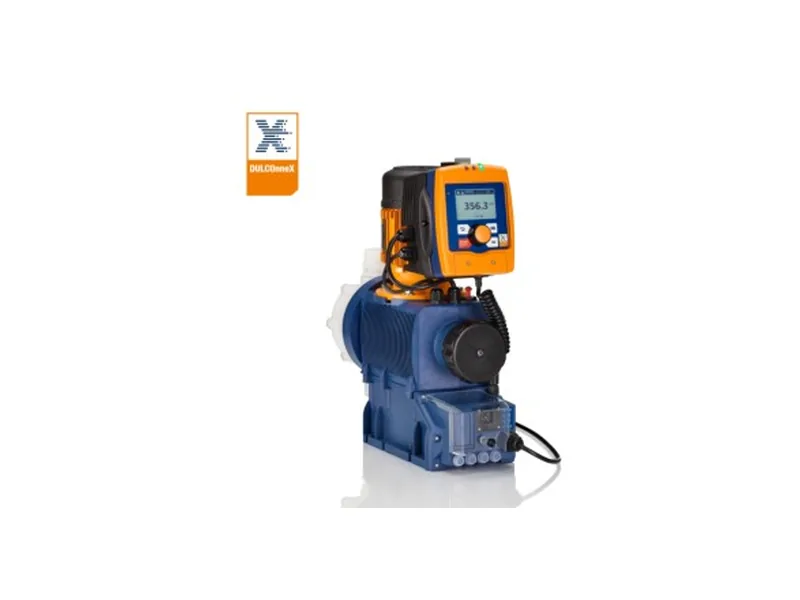
Figure 1: ProMinent Sigma/ X S2Cb control-type motor-driven metering pump. Image source: ProMinent official website
- High suspended solids, mainly gypsum fines and fly ash.
- Very high chloride and total dissolved solids, which make it aggressively corrosive.
- Heavy metals such as mercury, cadmium, lead and nickel, plus fluoride.
- Slightly acidic, with quality that shifts with coal supply and scrubber operation.
Treatment must therefore remove solids and metals while every wetted component resists chloride attack. Flow is not constant either. Blowdown rate follows absorber chloride, so FGD wastewater volume can change when coal changes. Size pumps for that range.
The three-tank dosing sequence
The three-tank process is the most established approach to flue gas desulfurization wastewater treatment. In flow order:
- Neutralization tank: lime slurry raises pH into the alkaline range, precipitating most heavy metals as hydroxides and removing some fluoride.
- Precipitation tank: an organosulfide reacts with mercury, cadmium and other metals that hydroxide precipitation does not remove well, forming less soluble compounds.
- Flocculation tank: a coagulant, commonly ferric chloride sulfate or PAC, destabilizes the fine precipitate.
- Clarifier inlet: polymer grows the floc so it separates in the clarifier.
- Effluent tank: hydrochloric acid trims pH to the discharge or reuse range.
Part of the clarifier underflow returns to the neutralization tank to seed precipitation; the rest goes to a filter press. The spacing between coagulant and polymer follows the principles in PAC and PAM dosing sequence.
Feeding lime and organosulfide
Lime slurry is the largest and most awkward chemical in FGD wastewater treatment. It carries solids and should not be pushed through a standard diaphragm metering pump. Most plants run a recirculating lime loop and take a branch through a control valve driven by the pH signal. Loop velocity must stay high enough to keep solids suspended, and the loop needs flushing whenever it stops, or it will plug quickly.
The organosulfide dose is small and is usually fed by a small metering pump in proportion to wastewater flow. It is critical for metals removal. Underdose and mercury or cadmium can exceed limits; overdose and you waste chemical and the effluent may smell. Review the ratio regularly against lab results. Many plants keep the organosulfide pump on flow pacing and add a manual multiplier that operators change after each metals result. General metals precipitation practice is covered in heavy metal wastewater dosing.
Coagulant, polymer and pH trim
Coagulant in the flocculation tank and polymer ahead of the clarifier are fed by motor-driven diaphragm pumps paced to flow. Since pH is already alkaline, choose a coagulant that performs well at high pH and confirm it with jar tests.
Hydrochloric acid for the final trim is paced by effluent pH, as in any online pH control dosing system. If the treated FGD wastewater goes on to zero liquid discharge or evaporation, hardness and solids limits tighten and upstream dosing must be adjusted to match.
Pumps and materials for FGD wastewater
Chloride levels in FGD wastewater are high enough to pit ordinary stainless steel, so wetted parts should be plastic, plastic-lined or chloride-resistant alloys. For metering pump heads, PVC or PVDF suit coagulant, polymer and organosulfide, and PVDF or PVC suit hydrochloric acid, with seals checked chemical by chemical.
Coagulant and polymer run continuously at moderate flows, a good fit for motor-driven diaphragm pumps. The ProMinent Sigma/ X S2Cb control-type pump accepts 4–20 mA signals directly; see the ProMinent brand page and the mechanical diaphragm pump category for alternatives. Provide duty and standby pumps for each chemical, because a stopped coagulant or organosulfide feed shows up in effluent quality within hours.
Common problems in FGD wastewater dosing
What operators run into most often:
- Plugged lime lines: loop velocity too low or no flush after shutdown. Keep the loop circulating and flush on a schedule.
- Unstable neutralization pH: inconsistent lime strength or a slow control valve. Scaled pH electrodes also give false readings, so clean them often.
- Metals above limits: organosulfide underdosed, or neutralization pH not reached.
- Cloudy clarifier overflow: coagulant or polymer dose wrong, or poor sludge return and wasting.
- Corrosion: materials not selected for high chloride service.
Lime slurry and hydrochloric acid are corrosive and organosulfide has a strong odor. Ventilate the dosing area, stop pumps and relieve pressure before maintenance, and wear appropriate protection.
Conclusion
Run FGD wastewater treatment along the three-tank line: lime in neutralization, organosulfide for metals, coagulant and polymer for separation, and acid for the final pH trim. Feed lime from a recirculating loop with a control valve, feed the other chemicals with metering pumps paced to flow, and choose every wetted material for high chloride service. Send your flow, lab analysis and discharge or reuse targets through the contact page and we will review the dosing at each tank.
FAQ
What goes into each of the three tanks?
Lime in the neutralization tank, organosulfide in the precipitation tank and coagulant in the flocculation tank, with polymer added at the clarifier inlet.
Can lime be fed with a metering pump?
Generally not directly. Lime slurry carries solids, so a recirculating loop with a control valve is the usual method.
How much organosulfide should be dosed?
Set it from flow and metals analysis, and review it regularly to avoid both exceedances and waste.
Why is FGD wastewater so corrosive?
Its chloride and dissolved solids concentrations are very high, which pits ordinary stainless steel.
Why add acid at the end?
The neutralization step leaves the water alkaline, so hydrochloric acid brings pH back to the required range.