
Drip Irrigation Acid Injection to Keep Emitters Clear
Drip irrigation acid injection is a way to dissolve or slow carbonate scale in emitters and laterals so the flow stays even. It is not a nutrient recipe, and it is not a comparison of venturi, water-powered injectors and metering pumps for fertigation. This article is for irrigation operators in fields and greenhouses. It covers where to inject the acid, how to pace it to irrigation flow, how to choose pump and pipe materials, and the field problems that show up when acid keeps pumping after the water has stopped, or when the water is made more acidic than the emitters can take.
Maintenance feed or a cleaning cycle
When the water is high in carbonate hardness, emitter passages pick up a calcium carbonate film that drip irrigation acid injection is meant to deal with. Everyday drip irrigation acid injection adds a dilute acid in proportion to the irrigation flow, lowering pH enough to slow or slowly dissolve that scale, but not so far that emitters, seals and metal fittings are attacked. A cleaning cycle is different: a stronger acid for a shorter time, used on a section that is already blocked. Do not run both duties on one unchanged stroke.
How far you go has to follow a water analysis and the acid limits of the emitters and the pipe. Do not copy a neighbour's setting. The acid also has to match the scale. Carbonate scale is commonly treated with sulfuric or nitric acid; some sites use phosphoric acid, but phosphate can create other precipitates, so the choice belongs to the water chemistry. Drip irrigation acid injection is not "mix the fertilizer and the acid in one tank and pump them together." Until compatibility is confirmed, give acid its own pump and its own tank.
A practical order for drip irrigation acid injection is: confirm that the plugging is mainly carbonate, not sand or biofilm, check that filtration is already taking out particles, then decide whether you need a maintenance feed or a short cleaning cycle. Sand is a filtration and flushing problem. Acid alone will not wash it out.
Where drip irrigation acid injection should enter the line
The injection point should sit after the filter and before the main or the submain, with enough pipe after the tee for the acid to mix before it reaches the first emitters. If you inject ahead of the filter, the acid can attack the element and can also create a pocket of over-acid water in the filter vessel. If you inject too close to the first emitters, those outlets see a rich slug while later outlets may still see poorly mixed water.
The injection valve needs a check function, and the line needs backflow protection so acid cannot run back into the water source when the pump stops. The same idea appears in cooling-water acid feed, where check valves and pH interlocks are standard; that layout is described in sulfuric acid dosing for cooling towers. The duty here is a field network and emitters, so do not copy a cooling-tower pH setpoint onto a drip line.
When irrigation flow changes, the acid has to be paced to that flow. When the water stops, the pump must stop. Many over-acid events happen because a valve has already closed and the acid pump is still running at yesterday's stroke. If you use a pulse water meter for drip irrigation acid injection, the pulse weight and the pump settings have to match.
Pump, materials and safety for drip irrigation acid injection
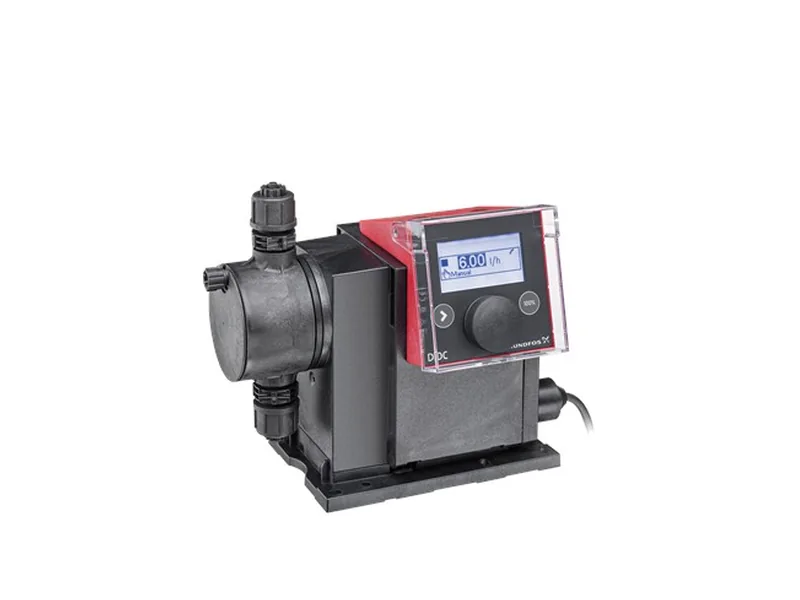
Sulfuric acid is common for drip irrigation acid injection; nitric and phosphoric acids are also used. Concentrated and dilute acid do not ask the same thing of the pump head, the seals and the pipe. Materials have to match the acid and the strength, as in sulfuric acid metering pump selection and chemical resistant dosing pump selection. Do not put a plain metal head on concentrated sulfuric or nitric acid. Grundfos DDC digital dosing pumps are a common fit for this small-flow, pulse- or analog-paced duty. On a larger main, a motor-driven pump such as a DMX is also used. Compare options on the Grundfos brand page and the metering pump category.
How to choose among a venturi, a water-powered injector and a metering pump for fertigation is a separate question, covered in fertigation injection pump types. For drip irrigation acid injection, the acid line should be its own pump. Do not share a head with a fertilizer injector.
Acid injures people and pipe. When diluting, add acid to water; do not pour water into concentrated acid. Depressurize the line and wear protection before you open a pump head or change tubing, and keep rinse water ready. Store acid in a covered tank, with a bund that can hold the tank volume, and ventilate the room. Those steps are part of running drip irrigation acid injection, not extras.
Watch these points in the field:
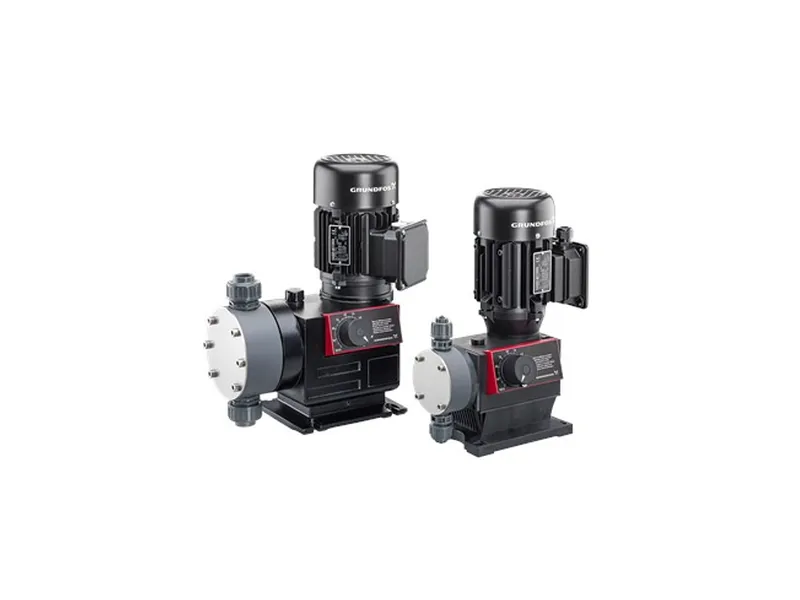
Figure 1: Grundfos DMX motor-driven dosing pump. Image source: Grundfos official website
- Interlock the acid pump to stop when an irrigation valve closes or the flow signal is lost, so acid cannot accumulate in a standing line
- After a cleaning cycle, flush the main and the laterals with clean water before you go back to normal irrigation
- In an unheated pump house in winter, some acids thicken or crystallize. Insulate the tank and the suction line, and check that crystals have not seized the suction valve
If you have irrigation flow, pressure, the acid type and strength, and the emitter material ready, contact us for sizing and we can check the pump and the piping against that drip irrigation acid injection duty.
Conclusion
Drip irrigation acid injection is for dissolving or holding back carbonate scale in emitters, not for mixing a nutrient recipe and not for comparing fertigation pump types. Inject after the filter, leave a mixing length, pace the dose to irrigation flow, and stop the pump when the water stops. Choose head and pipe materials for the acid and the strength, keep acid and fertilizer on separate pumps, and plan for depressurizing, protection and backflow. Bring flow, pressure, the acid and the emitter material to sizing, rather than buying a pump first and changing the pipe later.
FAQ
Can drip irrigation acid injection share a pump with fertilizer?
It is a poor idea. Acid and fertilizer often need different materials, and some mixes precipitate or release heat. Give the acid its own pump and its own line so you can calibrate it and keep it safer.
Does a lower pH always clean emitters faster?
No. Too much acid attacks emitters, seals and metal parts, and it can also loosen scale in sheets that plug the next emitter downstream. Stay inside the material limits and the water-quality target. Do not chase a faster clean by driving pH without a limit.
Can we inject acid ahead of the filter?
Usually not. The acid can damage the filter media and can form a pocket of over-acid water in the vessel. A more stable point is after the filter and before the drip main, with a mixing length after the tee.
After irrigation stops, some emitters look acid-damaged during drip irrigation acid injection. What usually happened?
The water had already stopped while the acid pump kept running, so acid built up in that section. Interlock the pump to flow, and flush with clean water after a cleaning cycle.
Should we use sulfuric or nitric acid for drip irrigation acid injection?
It depends on the water, the scale, the crop and the material limits of the system. Carbonate scale is often treated with sulfuric or nitric acid. Which one you use, and how dilute it should be, has to come from a lab result and the equipment limits, not from another field's habit.