
Concrete Admixture Pump Dosing at the Batch Plant
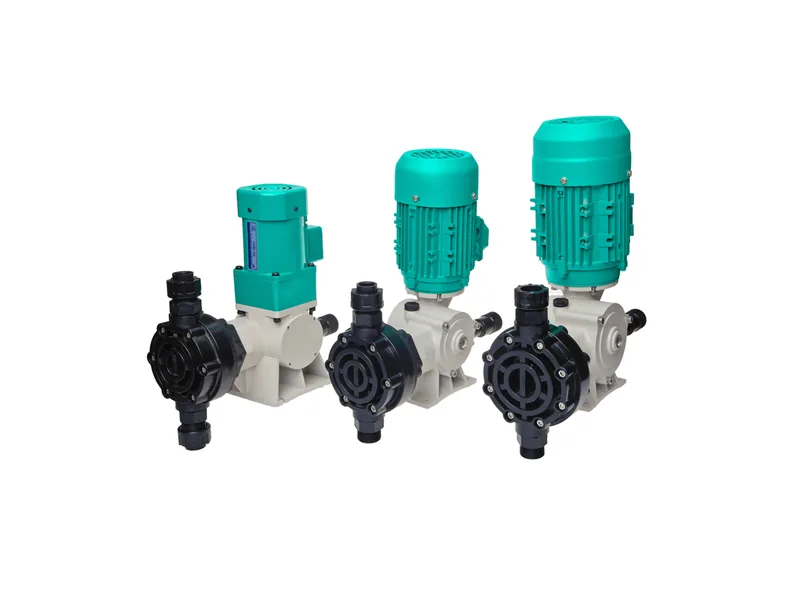
A concrete admixture pump at a ready-mix plant is there to put a water reducer, a retarder or an accelerator into each batch at the dose in the mix design. This is ingredient metering, not wastewater dosing, and a sewage polymer skid is the wrong starting point. The article is for plant maintenance and lab staff. It covers how to pace the dose to batch water or a batch signal, how to calibrate when viscosity changes, and the usual field problems: shared pumps, leftover chemical in the pipe, and siphoning after the pump stops.
Size the concrete admixture pump from the batch, not the nameplate
The lab sets the admixture dose from binder content and the addition rate. The concrete admixture pump has to deliver that volume inside the charging window, batch after batch, with tight repeatability. A short dose leaves the slump low, and drivers are tempted to add water on site. An overdose can segregate the mix; too much retarder can keep the concrete from setting for a long time.
Do not buy the pump from the largest number on a nameplate. What matters is the dose per batch, the number of batches per hour, and the viscosity of the product at the temperature you actually store it. Polycarboxylate water reducers thicken in winter and thin in summer, so the same stroke can deliver a different volume. When you size a concrete admixture pump, give the supplier the usual dose and the winter condition, not a single average flow.
There are two common injection points for a concrete admixture pump. One is the batch-water line, so the chemical rides in with the water and mixes well. The other is the mixer or a weigh hopper. In either case the dose has to finish while that batch's water or material is still entering. Chemical still sitting in the pipe when the next batch starts will contaminate the following load.
What signal should drive the concrete admixture pump?
The more stable methods are pacing to batch-water flow, or taking a start-and-dose signal from the plant controller. If you use a pulse water meter, the pulse weight and the pump settings have to match; wiring details are in pulse water meter proportional dosing. For batch control, confirm that the concrete admixture pump runs only when the signal is present, stops at the set volume, and starts a new count on the next batch.
Do not have the operator guess each batch by twisting the stroke dial. Repeatability falls off, especially across a shift change. Stroke and frequency adjustment is covered in how to adjust diaphragm pump flow. After any change, confirm the real volume with a calibration column or a scale. Do not trust the dial alone; see where to read metering pump flow.
A workable close-out for a concrete admixture pump is: calculate millilitres per batch from the mix design, set stroke or frequency close to that number, run several batches through a calibration column and average them, then write the setting into the controller. Recalibrate after you change supplier, change product, or after a clear temperature swing.
Viscosity, shared pumps and leftover chemical
Three problems show up often with a concrete admixture pump and are easy to skip in a generic write-up. The first is viscosity versus temperature. In winter the pump may lose prime or lose flow, which looks like a short stroke when the liquid is simply thicker. Insulate the tank and the suction line, and shorten the suction lift if you can, before you open the stroke to 100%.
The second is sharing one pump and one line among different admixtures. Water reducers, retarders and accelerators are not interchangeable leftovers. Residue in the pipe changes the next batch's real dose, and some products will precipitate if they sit together. A separate concrete admixture pump and a separate line for each product is less trouble than saving one pump.
The third is hold-up in a long discharge line. Chemical dosed at the end of one batch may still be in the pipe when the next batch starts. Keep the run short. A small water flush can push the leftover into the current batch, but that flush water has to count in the batch water; do not rinse without limit and break the mix design. Clean the pump head and the line when you change product or take the pump out of service.
NEWDOSE NDJ mechanical diaphragm pumps are a common concrete admixture pump fit for this mid-range, batch or continuous duty at a plant. Head materials follow the chemical. Compare options on the NEWDOSE brand page and the metering pump category.
A few installation rules matter around a concrete admixture pump:
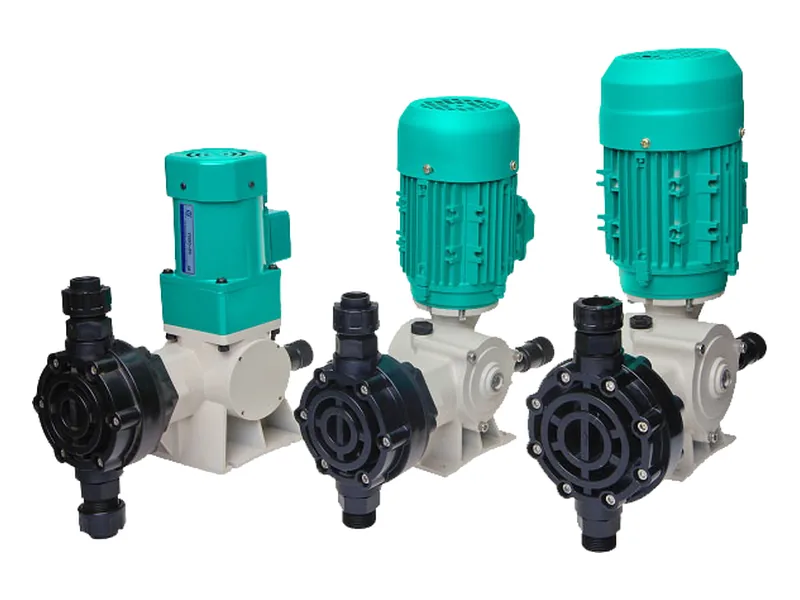
Figure 1: NEWDOSE ND mechanical diaphragm metering pump. Image source: NEWDOSE official website
- Keep the suction short, with no air leaks and no high spots, or the dose will swing from batch to batch
- Fit a back-pressure valve on the discharge so chemical cannot siphon into the mixer after the pump stops
- Use a low-level interlock on the tank so the pump does not run dry and damage the diaphragm
If you have the dose per batch, batches per hour, the product name and the winter viscosity ready, contact us for sizing and we can check the concrete admixture pump and the piping against that duty.
Conclusion
A concrete admixture pump exists to put the water reducer or retarder into each batch at the mix-design volume. Size it from dose per batch and plant throughput, drive it with a flow or batch signal, and confirm the setting with a calibration column. Keep products on separate pumps and lines, and deal with line hold-up and winter viscosity. Bring the dose, the batch rate and the chemical data to sizing, rather than buying a pump first and changing the control later.
FAQ
Can one concrete admixture pump feed several products?
It is a poor idea. Residue in the line changes the next batch, and some chemicals precipitate if they mix in the pipe. Give each admixture its own pump and its own line.
If we set the stroke dial, do we still need to calibrate each shift?
Yes. The dial is only a starting point. When temperature changes, viscosity changes, and the real millilitres drift. Recalibrate after a new lot or a new supplier, using a column or a scale.
Should the chemical go into the batch water or straight into the mixer?
If it can travel with the water, the batch-water line usually mixes more evenly. Direct injection into the mixer also works, but the dose must finish inside the mix cycle and the nozzle should not sit in a dead zone.
The water reducer thickens in winter and the concrete admixture pump falls short. What first?
Insulate the tank and the suction line, shorten the suction lift, then recalibrate. Do not just open the stroke to 100%, or you will overfeed once the room warms up.
After the pump stops, admixture still drips into the mixer. Why?
There is usually no back-pressure valve, or the injection point is below the tank level, so the line siphons. Add a back-pressure valve and check the elevations so flow stops when the pump stops.