
Sulfuric Acid Metering Pump: Concentration, Materials and Seals
A sulfuric acid metering pump should be specified by concentration first and flow second. Dilute acid, mid-range acid and acid around 98% behave very differently toward stainless steel, plastics and elastomers, so the head, seals and balls must be checked against the manufacturer's resistance chart for your actual strength. Concentrated acid is also heavy, viscous and violently exothermic with water, and each of those traits affects suction, valve action and maintenance.
This sulfuric acid metering pump guide draws on field experience in water treatment, pH neutralisation, plating and chemical plants. Material advice here is deliberately conservative; the brand chart has the final word.
Why a sulfuric acid metering pump starts with concentration
Sulfuric acid does not get steadily more corrosive as it gets stronger. Dilute acid attacks carbon steel quickly, yet near 98% carbon steel forms a protective layer, which is why some storage tanks are steel. The middle of the range tends to be the hardest on many metals, and 316L stainless is generally not the first choice there.
Plastics change too. Concentrated acid is a strong dehydrating and oxidising agent that can blacken and embrittle some plastics and rubbers, so PVC and EPDM are usually not recommended for it. When you request a quote, write "93%" or "30–50%", not just "sulfuric acid".
Concentration can also drift. Strong acid absorbs moisture, so a tank vent open to the air slowly pulls in water and the surface layer weakens, possibly into a more aggressive band. That is why many tanks carry a desiccant breather.
Typical materials for a sulfuric acid metering pump
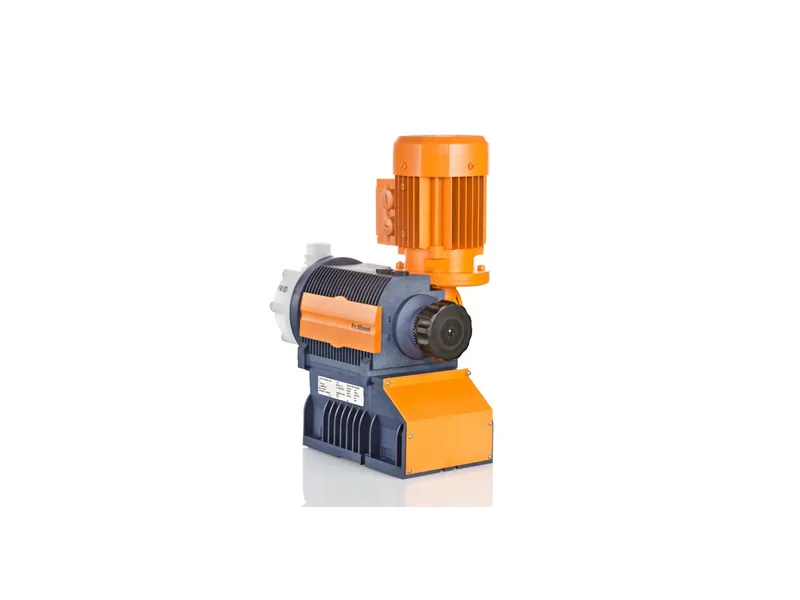
The ProMinent Sigma/1 basic motor-driven diaphragm pump offers material codes such as PVT (PVDF head, PTFE seals), SST (stainless head) and TTT (carbon-filled PTFE head for hazardous areas), with PTFE seats and seals as standard. The official page lists metering of acid and alkali for pH neutralisation in wastewater treatment among its applications.
As a rough guide from experience:
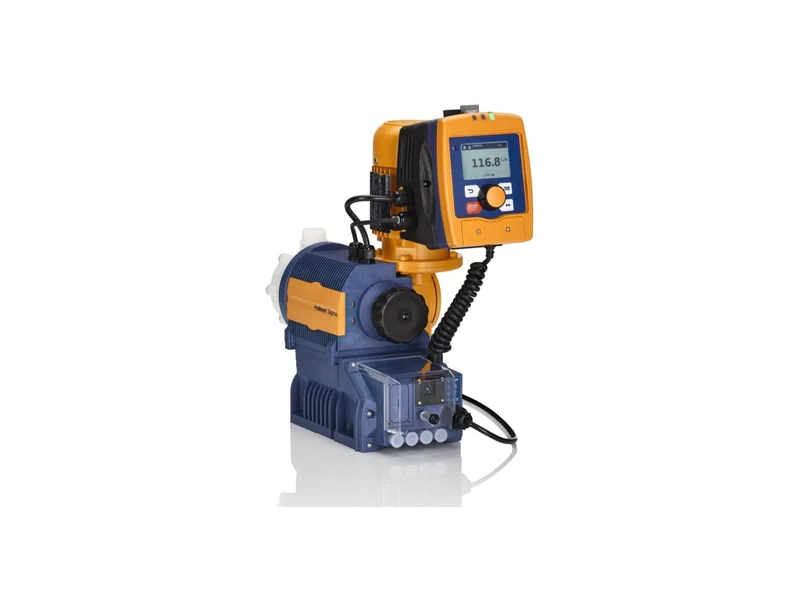
Figure 1: ProMinent Sigma X control type S1Cb metering pump. Image source: ProMinent official website
- Dilute acid at ambient temperature: several plastic heads work, with PVDF giving more margin.
- Mid-range concentrations: plastic heads are the safer bet; metal heads need a strict chart check.
- Around 98%: PVDF or PTFE type heads with PTFE seals are common, with temperature limits taken from the chart.
FKM is acceptable at some concentrations but not all, so check it as well. Our ProMinent Sigma/1 overview shows how the material code is read.
Heavy and viscous: what that means for a sulfuric acid metering pump
Acid at 98% has a density of about 1.84 g/cm³, close to twice that of water, and it is far more viscous.
Keep the suction line short and generously sized. Heavy, slow liquid struggles to fill the head on a long suction lift, and output drops. Where possible, mount the tank above the pump so it runs with flooded suction.
The valve balls must reseat in time. In viscous acid they fall more slowly, and sulfuric acid metering pump accuracy suffers at high stroke rates. Adjusting stroke length on a motor-driven pump, or reducing frequency on a solenoid pump, usually helps more than upsizing.
Calibrate on the real fluid. Flow set with water typically shifts once the sulfuric acid metering pump is running concentrated acid, so check it with a calibration cylinder under real conditions.
Heat on contact with water: the riskiest maintenance step
Concentrated acid releases a lot of heat when it meets water. The classic accident is a pump head flushed with water after service, refitted without drying, then filled with strong acid. Local heating can deform plastic parts or cause spray.
Basic rules for a sulfuric acid metering pump line: release pressure and drain before opening anything; if you flush, drain completely and dry; wear acid-resistant gloves, a face shield and protective clothing. When diluting, add acid slowly to water, not the reverse.
Leak protection on a sulfuric acid metering pump
Sulfuric acid leaks are more serious than most chemical spills. ProMinent Sigma/1 and Sigma X control type pumps use a patented multi-layer safety diaphragm with optical rupture indication and an optional electrical signal. According to the official site, the medium does not escape to the outside or into the drive if the diaphragm ruptures.
The Sigma X control type also accepts 0/4–20 mA control and keeps an event log, which suits automatic acid dosing from a pH controller. For warning signs of diaphragm failure, see hydraulic diaphragm rupture signs, and for the control logic, read online pH control dosing.
Fit a drip tray under the pump, keep joints away from electrical panels, and install a back pressure valve and relief valve on the discharge.
Winter freezing
Acid near 98% has a freezing point only a few degrees above zero, so outdoor lines in cold climates can crystallise and block valve seats. Plan heat tracing and insulation for any outdoor sulfuric acid metering pump; our winter dosing antifreeze guide covers the basics.
Conclusion
Select a sulfuric acid metering pump in this order: fix the concentration and temperature, then check head, seats, seals and balls against the brand chart. With concentrated acid, allow for the density and viscosity in suction design and calibration, and keep water out during maintenance. Where a leak would be serious, choose a pump with a safety diaphragm and rupture alarm. See our mechanical diaphragm metering pumps, then send concentration, temperature, flow and pressure to contact our engineers for a material check.
FAQ
Can a PVC head handle 98% sulfuric acid?
Usually not recommended. Concentrated acid dehydrates and oxidises PVC and EPDM, so PVDF or PTFE type heads are typical.
Is a stainless head suitable for a sulfuric acid metering pump?
It depends on concentration and temperature. In the mid range, stainless is generally not the first choice.
Why is sulfuric acid metering pump flow lower than during calibration?
Viscosity and density are the usual causes. Shorten the suction line, lower the stroke rate and recalibrate on acid.
Can I flush the head with water after service?
Yes, but drain and dry it fully before reintroducing strong acid, or the mixing heat can damage the head.
What should go on the acid tank vent?
Typically a desiccant breather, so the acid does not absorb moisture and weaken.