
How to Isolate a Dosing Pump: Valve Shutoff Sequence
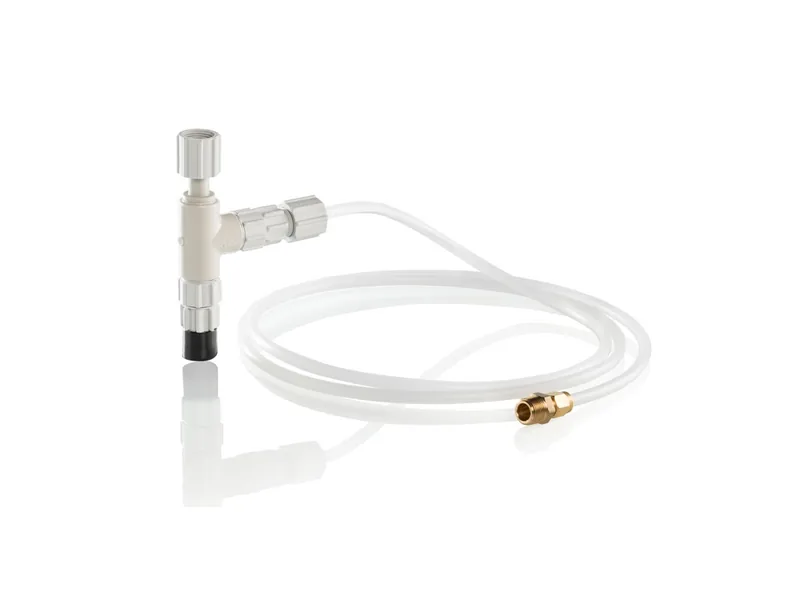
How to isolate a dosing pump depends on what you are doing: a normal stop, a short shutdown, or a job that opens the liquid end. The wrong order traps pressure, chatters the relief valve, or sprays chemical when a bolt comes off. This article is for operators and maintenance crews. Valve selection and placement are in dosing isolation valves; this page is about the sequence.
How to isolate a dosing pump on a normal stop
For a routine stop, how to isolate a dosing pump is: shut the pump down first, then close the discharge isolation valve, then the suction valve. Closing the discharge while the pump is still running dead-heads it. Pressure spikes to the relief valve and the diaphragm and balls take a hit. If the pump has a VFD or a stroke adjustment, wind the flow down before you stop.
Once the pump is still, close the discharge valve so the main or a tank set above the pump cannot flow backward, then close the suction valve so chemical does not keep filling the head. The relief valve inlet must remain open to the pump chamber. Do not close a valve between the pump and the relief valve, or the protection is gone. The relief discharge should go back to the tank or a safe catch line, and it should not be blocked when you close the process isolation valve.
Back-pressure valves and dampeners can stay as they are on a normal stop. If the calibration column valves are open, close them so the column does not overflow.
Short shutdowns and work on the liquid end
If the pump will sit for a few hours or a couple of days, how to isolate a dosing pump is the same on the valves, then look at the chemical. Bleach and crystallizing solutions should be drained from the head and the nearby discharge spool, then flushed with water so crystals do not seat the valves. For PAC or PAM, at least keep the chamber wet so the next start is not dry.
When you will open the head, change a diaphragm or replace a valve, how to isolate a dosing pump becomes a full lockout:
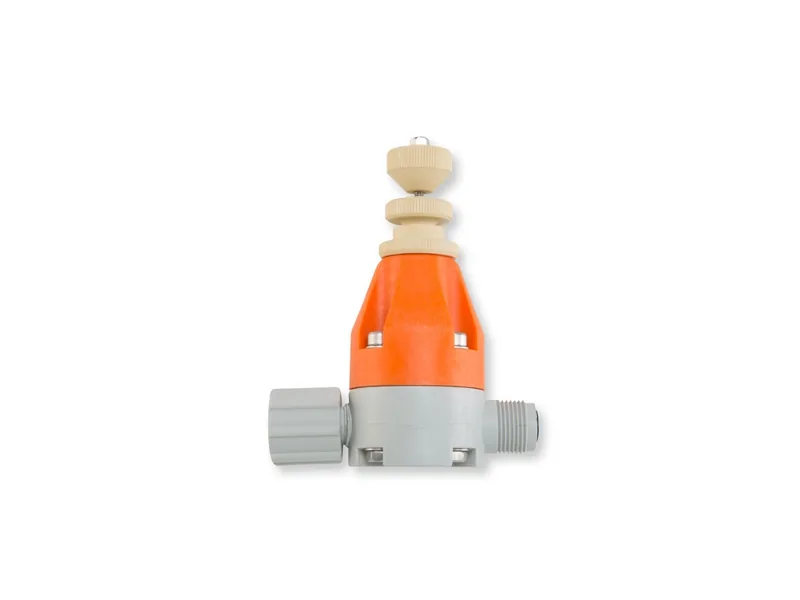
Figure 1: ProMinent back pressure valve for low-pressure pumps. Image source: ProMinent official website
- Stop the pump, isolate the power and apply lockout/tagout so nobody can start it remotely.
- Close the discharge and suction isolation valves, and leave the relief path able to hold residual pressure or vent it as the manual says.
- Open the drain or vent between the pump and those valves, and catch the chemical in a labeled container, not in the floor trench.
- Confirm the gauge is at zero and the pipe is slack before you crack the head bolts. If anything is still live, stop.
- For strong acid, hypochlorite or toxic service, wear protection and keep rinse water nearby.
Placement of isolation valves relative to the relief valve is described in metering pump installation practice. Bypass and return valves are covered in metering pump return and bypass valves.
ProMinent supplies flushing and relief-valve assemblies and back-pressure valves for low-pressure metering pumps, listed by pressure class on the official site. If the relief valve sits upstream of the discharge isolation valve, you will not shut the protection off when you isolate the line.
Trapped pressure, backflow and tags
The usual mistakes, when people forget how to isolate a dosing pump, are closing the discharge before the pump stops, or closing only the discharge while the suction is still open and the tank level is above the head, so chemical pours out when the head comes off. Another is tying the relief outlet into a line you have already closed, which makes the valve useless.
When you learn how to isolate a dosing pump, vent at a point between the pump and the nearest isolation valves. Opening a valve far downstream may not relieve a section locked in by a check valve. Confirm with a gauge or by easing a vent screw. Put drained chemical in a marked drum; reuse it if the plant allows, otherwise follow the site waste rule.
If the pump can also be started from a PLC or DCS, tag both the starter and the screen so the pump cannot stroke while the head is open.
Two checks people skip after they isolate the line
Knowing how to isolate a dosing pump also means reading the gauge and the calibration column. If the gauge stays high, the discharge or injection valve may still be closed, or the line may be blocked; do not finish a normal shutoff sequence until the path is clear. Close the column valves after the stop so chemical does not creep onto the floor and attack the base.
In cold weather a short shutdown can still let solution thicken or drop solids in the spool. Drain the head and the nearby pipe, then close the valves tightly. Prime the pump before the next start rather than forcing it against a dry or crystallized chamber. That habit is part of how to isolate a dosing pump for more than a few minutes.
Conclusion
How to isolate a dosing pump is simple once you split the jobs: on a normal stop, stop the pump, then close discharge, then suction, and leave the relief valve guarding the chamber; on a short shutdown, drain or flush if the chemical needs it; before opening the head, lock out, isolate, depressurize and only then undo bolts. The aim is to avoid dead-heading, backflow and a pressurized spray. See the dosing accessories page and the ProMinent page. If you are unsure how to isolate a dosing pump on a specific skid, send a piping sketch or photo, and contact our engineers to check valve placement.
FAQ
Can I close the discharge valve before I stop the pump?
Not as a habit. That dead-heads the pump, lifts the relief valve and shocks the diaphragm. Stop the pump, or at least reduce flow, then close the discharge.
What should I do with valves around the relief valve?
The relief inlet should stay open to the pump discharge during running and during a protective shutdown, unless the manual asks you to isolate it after a controlled vent. Do not close the protection first.
Do I have to drain the head for a short shutdown?
It depends on the chemical. Drain and flush if it decomposes or crystallizes. For a stable solution, tight isolation and a flooded chamber may be enough.
Why did chemical still spray after I vented?
A check valve or a dampener may have held a pocket of pressure. The vent needs to sit between the pump and the nearest isolation valves, and you should confirm again before opening the head.
With two people, how to isolate a dosing pump more safely?
One person operates, the other confirms valve positions and the gauge. Hang tags at the power isolation and on the control screen. A spoken "it's closed" is not a confirmation.