
Metering Pump Installation Requirements: Base, Piping, Valves, Power
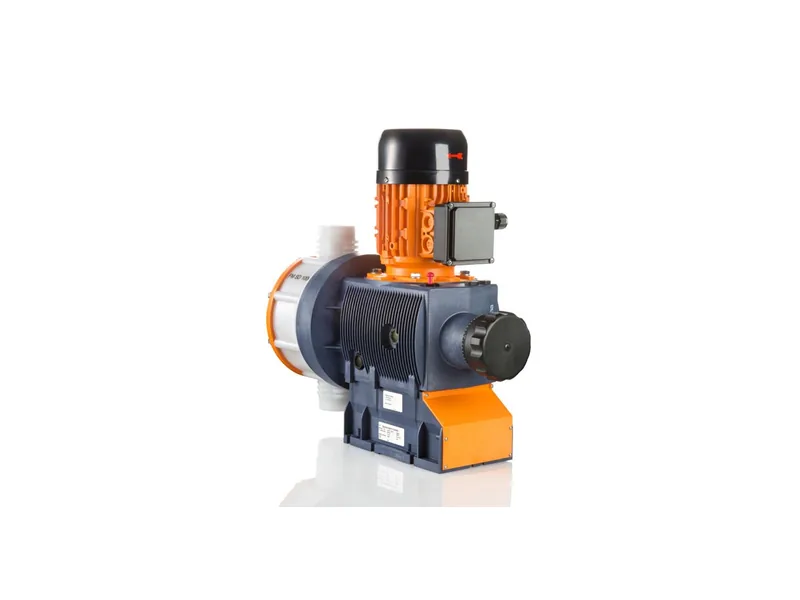
A good metering pump installation comes down to five things: a solid base, a short suction line, a protected discharge, accessories in the right order and safe electrical work. Below they are written as clauses with a one-line reason for each, so you can paste them into a method statement, a tender spec or a site acceptance checklist. The examples use motor-driven diaphragm pumps such as ProMinent Sigma/1 and Sigma/2, but most clauses apply equally to solenoid and plunger pumps.
Metering pump installation: base and mounting
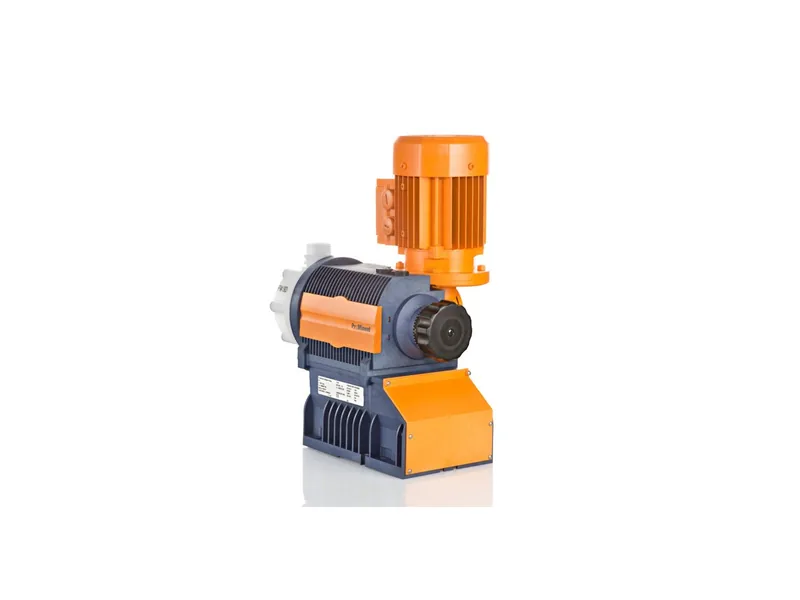
Figure 1: ProMinent Sigma/1 motor-driven diaphragm unit. Image source: ProMinent official website
- Mount the pump on a level, rigid plinth or frame and fix it with anchor bolts. Reciprocating pumps vibrate, and an unanchored pump slowly loosens its own pipe joints.
- Raise the pump above floor level on a concrete plinth or stainless frame so floor washing does not soak the motor.
- Leave service space. The valve assemblies and diaphragm must come off the pump head side, and the stroke adjustment knob must be reachable.
- Outdoors, fit a weather canopy and keep chemical lines out of direct sun.
Frame height and vibration control are covered in our guide to dosing pump mounting platforms.
Suction piping requirements
Most problems in a metering pump installation start on the suction side. A typical metering pump installation spec says:
- Keep the suction line short and straight, with few bends and a bore no smaller than the pump inlet.
- Prefer flooded suction, with tank liquid level above the pump inlet. If that is not possible, stay within the pump's permitted suction lift.
- Fit a strainer at the low point and an isolation valve at the tank outlet so the strainer can be cleaned without draining the tank.
- Avoid any upward hump in the suction line, which traps gas at the high point.
Gassing chemicals such as sodium hypochlorite and hydrogen peroxide need flooded suction. A suction-lift layout will almost certainly vapor-lock.
Discharge piping requirements
Pressure protection for every metering pump installation
Fit a pressure relief valve on the discharge, set below the rating of the pipework and pump head. A metering pump is positive displacement, so a closed valve downstream makes pressure climb until something gives.
Back pressure and anti-siphon
When the injection point is at low pressure, or below the tank liquid level, fit a back pressure valve so the pump always works against a stable pressure and cannot siphon. See why metering pumps need a back pressure valve.
Pulsation and support
Long lines or higher flows need a pulsation dampener. Clip the discharge line at regular intervals, and space supports closer for plastic pipe, which softens and sags in warm plant rooms.
Accessory order in a metering pump installation
Drawings often get the sequence wrong. On the discharge side the usual order is pump outlet, relief valve, pulsation dampener, pressure gauge, back pressure valve, check valve and finally the injection valve. On the suction side it is tank outlet valve, strainer, then pump inlet. Symbols and layout are shown in our metering pump installation diagram article.
Electrical requirements
- Supply voltage and frequency must match the nameplate. Isolate and lock out before wiring.
- Earth the pump and motor frame, and add residual current protection outdoors or in wet areas.
- Run 4–20 mA, pulse and level switch signal cables apart from power cables to avoid interference.
- In hazardous areas, choose the motor and terminal boxes to the zone rating, never a standard motor as a stopgap.
Items that are often missed
Even when crews follow the drawing, a metering pump installation tends to miss the same few details.
No flushing or drain points. Without tees and valves before and after the pump head, every diaphragm change means cutting the line open and spilling chemical. Add a valved flushing connection on each side so the head can be rinsed with water before it is opened.
A relief valve that discharges onto the floor. The relief line should return to the tank or a safe collection point and must have no valve in it.
A calibration column in the wrong place. It belongs on the suction side, in parallel with the tank and switched by valves. We often find it piped to the discharge, where it is useless.
Checks before handover
After the metering pump installation is complete, crews typically run the pump on clean water and check every joint, confirm motor rotation, check the gearbox oil level on motor-driven pumps such as Sigma, and measure flow at real back pressure with a calibration column. Record the result in the commissioning sheet. Always stop the pump and release pressure before opening anything, and wear goggles and gloves around acids and caustics.
Conclusion
Metering pump installation rules are simple; the hard part is getting every one of them done on site. Anchor the base, keep suction flooded and short, protect the discharge with relief and back pressure valves, follow the accessory order and keep the electrics earthed and segregated. Details vary by pump type, so check the model in our metering pump range or the ProMinent brand page. Send us the chemical, flow, back pressure and a layout sketch, and contact our engineers to review your metering pump installation plan.
FAQ
In a metering pump installation, how far from the tank should the pump be?
As close as practical. A short suction line is the best protection against loss of prime, so the pump usually sits beside or under the tank.
Can one valve do the job of both relief and back pressure?
No. The relief valve is overpressure protection and normally stays closed. The back pressure valve works all the time to stabilize discharge pressure and stop siphoning.
Can the pump sit on top of the tank?
Small solenoid pumps can, but that is suction lift, so stay within the rated lift and avoid it for gassing chemicals.
Is plastic tubing acceptable straight off the pump outlet?
Yes, if it is chemically compatible, rated for the pressure and properly supported. Stainless pipe is a better choice for high pressure or heat.
Is there one universal metering pump installation standard?
Not really. Work generally follows the design drawings, the pump maker's manual and local construction codes, and the manufacturer's manual takes priority for the pump itself.