
Metering Pump Bypass Valve and Return Line: What Each One Does
A metering pump bypass valve lets flow go around a component or switch to a standby pump, so the system keeps dosing during maintenance. A return valve, often called a priming or bleed valve, sends discharge chemical back to the tank through a return line instead of into the process. The names get mixed up on site, and some people call both a bypass, yet they do different jobs. This guide covers where each one goes, when to open it and the field mistakes that quietly stop dosing.
Where the return valve sits
The return valve usually sits right at the pump outlet. It can be a separate three-way manual valve or part of a multifunction valve on the pump head. One side connects to the discharge line, the other to a return line that runs back to the tank above the liquid level.
In normal service it stays closed and chemical goes to the injection point. Open it and the pump discharges into an almost pressure-free return line, so the chemical simply goes back to the tank.
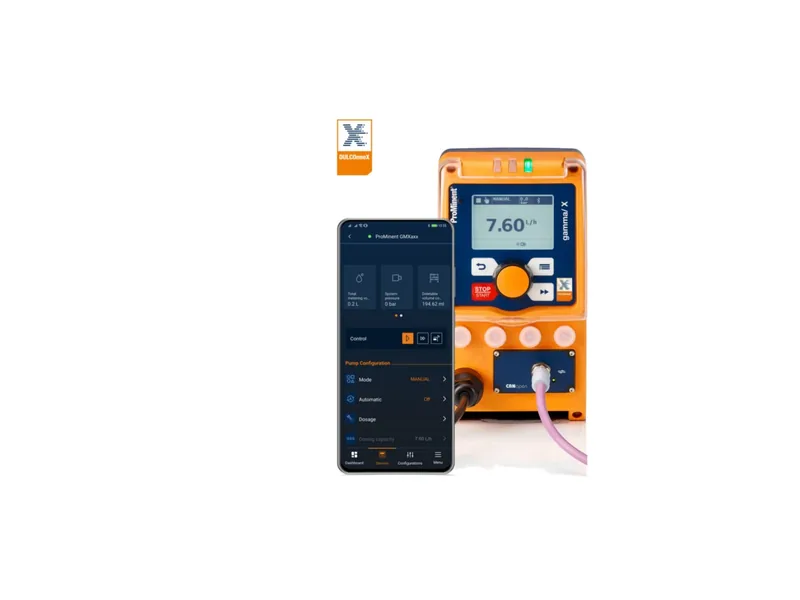
ProMinent offers a flushing and relief valve assembly as an accessory for its gamma/X solenoid pumps, with the relief port piped back to the tank; see the ProMinent brand page. Fittings and valves are listed under dosing accessories.
What the return line valve is used for
Priming on first start
On a new pump, the suction line and head are full of air. Against a pressurized discharge the pump just compresses that air and struggles to pull chemical up. Opening the return valve lets the pump work against the open metering pump return line, so air clears fast. Close it once chemical flows steadily. Our guide to priming a metering pump on first start covers the full routine.
Flow calibration
Some sites open the return valve and route chemical into a calibration column or measuring cylinder, then time it to check real output without breaking the discharge pipe.
Depressurizing before service
The discharge line typically holds pressure after shutdown. Open the return valve first to bleed that pressure back to the tank, then remove the injection quill or dampener. Skip this and chemical sprays out.
Test running
If the process is not ready but you want to prove the pump, run it with the return valve open and let chemical circulate in the tank.
What a metering pump bypass valve does
A metering pump bypass valve sits in a parallel branch. The main path has an isolation valve before and after the component, and a separate line with its own valve runs around it. For maintenance, open the metering pump bypass valve, close the main isolation valves and flow takes the side route.
Common bypass arrangements in dosing systems:
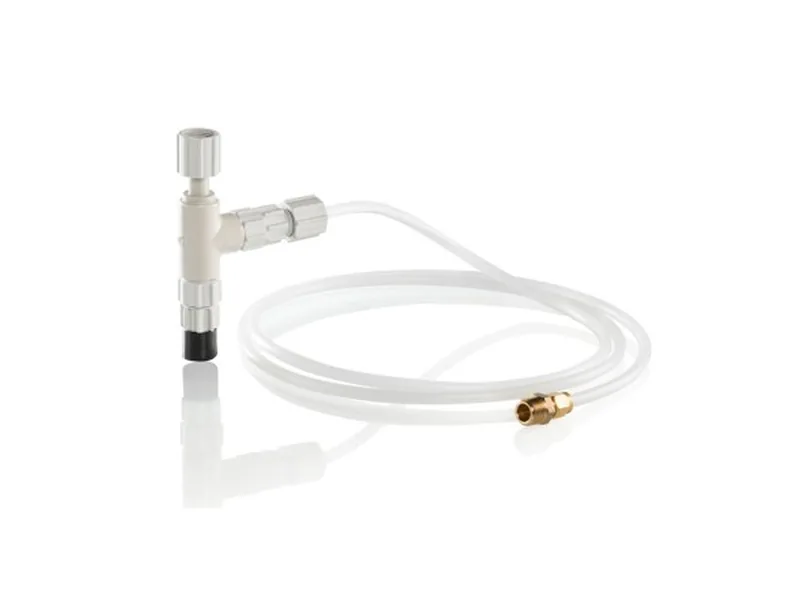
Figure 1: ProMinent flushing and relief assembly. Image source: ProMinent official website
- Around a strainer or flow meter, so the strainer can be cleaned or the meter removed for checking while dosing continues.
- Duty and standby pumps, with discharges tied together and a metering pump bypass valve arrangement to switch, so one failed pump does not stop dosing.
- Around an injection point, so chemical can be sent to a second point while one pipe section is serviced.
Bypass, return and relief valves compared
A metering pump bypass valve and a return valve are both opened by hand; a relief valve opens on its own at overpressure. That is the core difference. You open the return valve to prime, calibrate or depressurize, and the metering pump bypass valve to service equipment without shutting down.
So a return valve cannot replace a relief valve. It stays closed in service and will not open if the outlet gets blocked. A back-pressure valve is a different device again; see what a metering pump back-pressure valve does.
Choosing the valves
Even simple valves need a few things matched:
- Materials suited to the chemical, typically PVC or PVDF bodies with FKM seals for hypochlorite.
- Pressure rating above the maximum discharge pressure. Hydraulic diaphragm pumps run high, so a light plastic valve may not be enough.
- Size matching the line, which on small solenoid pumps is usually DN10 to DN15.
- Access, with the valve within easy reach and the return outlet visible.
Common field problems
The most common is a return valve left open. After priming or service someone forgets to close it, the pump keeps running, all the chemical goes back to the tank and the process gets nothing. Confirm every valve position after commissioning.
Second, a return line piped into the suction. Chemical circulates through the pump, warms up and hypochlorite breaks down faster. Run the return line to the tank on its own.
Third, using a metering pump bypass valve to set flow. Some installers tee a bypass back to the tank and throttle it. Accuracy is poor and chemical is wasted. Set flow with stroke length and frequency instead.
Fourth, a leaking metering pump bypass valve. Worn seats let part of the flow slip through, so the real dose is low. Feel the bypass line or briefly close the main path and watch the level. Our article on the dosing pump bleed valve shows how bleed and return valves work together.
Conclusion
A return valve handles priming, calibration, depressurizing and test runs by sending chemical back to the tank, while a metering pump bypass valve keeps dosing going during maintenance or pump switching. Both are manual and neither replaces a relief valve. Check valve positions after commissioning, give the return line its own path to the tank and never throttle a metering pump bypass valve to control flow. Contact us for valve assemblies or help troubleshooting a dosing line.
FAQ
Should the return valve be open or closed in normal service?
Closed. Open it only for priming, calibration, depressurizing or test runs, and close it right after.
Can I prime without a return valve?
Yes, but it is usually much slower. Against high discharge pressure you may have to crack a fitting to get the air out.
Does a metering pump bypass valve need an interlock?
Small systems typically run the metering pump bypass valve manually. On critical processes, valve position indicators help prevent mistakes.
What material should the return line be?
Match the discharge line, typically PVC or PE tubing, checked for chemical compatibility.
Can a return valve act as a relief valve?
No. It must be opened by hand and will not vent overpressure, so the discharge still needs its own relief valve.