
Sodium Hypochlorite Tubing Discoloration: When to Replace It
When sodium hypochlorite tubing changes color, there is rarely one single cause. A yellow or milky outer wall usually means the plastic is aging from UV and oxidation. A hard white crust on the inside is normally calcium carbonate scale. Brown or black spots tend to come from manganese or iron in the water being oxidized and dropping out. Color alone does not mean the line has failed. What matters is whether the tube has gone stiff, brittle or cracked, and whether scale has narrowed the bore. This guide is for operators at water plants, wastewater sites and pools who look after the suction and discharge lines on bleach feed pumps.
What the colors on sodium hypochlorite tubing mean
Most of what you see in the field falls into four groups:
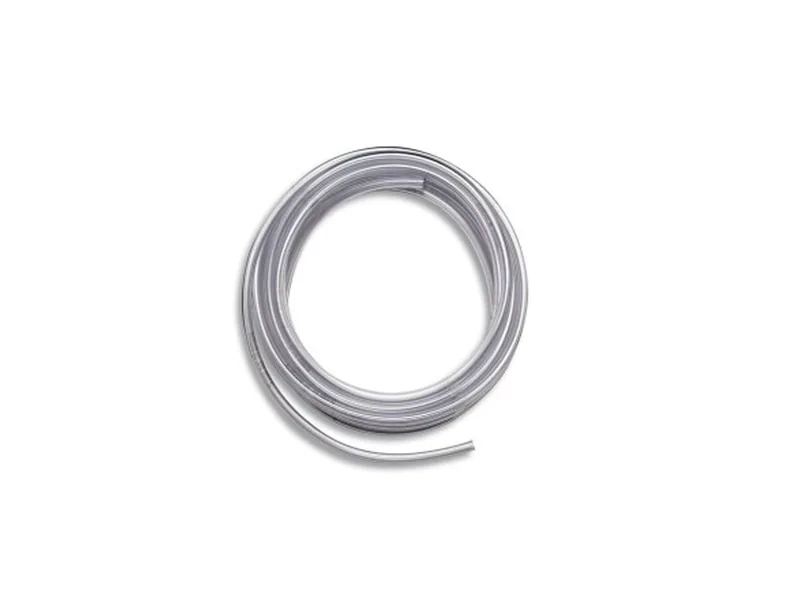
Figure 1: ProMinent hose reel for low-pressure metering pumps. Image source: ProMinent official website
- Clear tube turning yellow or milky: typical of flexible PVC. Long exposure to hypochlorite and light leaches the plasticizer, the color dulls and the tube stiffens.
- White scale on the inner wall: commercial hypochlorite carries some free caustic. Mixed with hard dilution water, calcium and magnesium drop out as carbonate and hydroxide deposits.
- Chalky outer surface: outdoor runs or lines near a window lose their surface layer to UV.
- Brown or black spots: manganese or iron in the raw or dilution water is oxidized by the bleach and sticks to walls and fittings.
Groups one and three mean the sodium hypochlorite tubing itself is aging. Groups two and four mean the line is dirty. The fixes are completely different.
How to tell if hypochlorite tubing is degraded
Feel beats color when deciding on replacement. Stop the pump, relieve pressure, then squeeze and bend the line. Good flexible tube is soft and springs back. Aged sodium hypochlorite tubing feels hard, and fine white lines or cracks appear at the bend. Replace it. For rigid pipe, check for hairline cracks near fittings and walls that sound or feel brittle.
Weeping fittings are another clue. Once a flexible line hardens, the compression nut can no longer grip it, and white crystals start forming on the floor below. Tightening the nut rarely helps for long. Cut back to fresh tube or replace the whole length.
Temperature adds to the problem. ProMinent's official data for hoses on low-pressure metering pumps shows the permitted pressure of every plastic falling with temperature. Soft PVC is down to about 73% of its 20 °C rating at 40 °C, and PE drops to half at 50 °C. A sun-baked outdoor run of sodium hypochlorite tubing suffers aging and pressure derating at the same time.
Dealing with scale inside the line
Scale does not always mean the sodium hypochlorite tubing is damaged, but it narrows the bore. Discharge pressure rises and flow becomes unsteady. Flakes can also break loose and jam the injection valve.
For lightly scaled flexible tube, fitting new sodium hypochlorite tubing is usually easier than cleaning. Rigid pipe can be removed and descaled with dilute acid, but acid and hypochlorite must never meet: the mix releases chlorine gas. Flush the line with clean water first, every time. The lasting fix is to control dilution water hardness, either by using softened water or by diluting less. For gas locking and crystal blockages, see why a hypochlorite dosing pump stops delivering.
When sodium hypochlorite tubing must be replaced
Do not keep patching the line if you see any of these:
- Hard tube, cracks at bends, or fittings that leak again soon after tightening
- Chalky, thinning or blistered walls
- Scale that has visibly reduced the bore, with discharge pressure well above commissioning values
- Long outdoor runs where the jacket has turned white and powdery
Before cutting anything, stop the pump, close the isolation valves, open the relief valve to bleed pressure, and flush with water. Wear goggles and chemical-resistant gloves. Hypochlorite in the eye is a serious injury.
Choosing replacement sodium hypochlorite tubing
Do not just buy the same tube again. Soft PVC is cheap and easy to fit, but ProMinent notes on its website that flexible PVC does not offer the same chemical resistance as rigid PVC. For higher discharge pressure or longer runs, PTFE or PE tube, or rigid UPVC or PVDF pipe, is the better choice. ProMinent's hose and pipework range for low-pressure metering pumps includes flexible PVC, flexible PVC with a woven inner layer, PE, PTFE and stainless steel, and the company recommends original tubing so the compression fitting, pressure rating and chemical resistance match.
Stainless steel is not a good match for hypochlorite. Chloride and strong oxidation attack it quickly. With small solenoid pumps such as the ProMinent gamma/X, PE or PTFE lines are the usual choice. For a full material comparison, read our guide to hypochlorite dosing line materials.
Keeping sodium hypochlorite tubing from aging early
UV speeds up plastic aging and also makes hypochlorite break down faster, releasing gas bubbles. Run outdoor lines inside conduit or under covers, and swap clear tube for opaque tube where you do not need to see the liquid. A quick squeeze test during each round costs nothing and catches problems before they leak. For layout ideas on a complete system, see the sodium hypochlorite dosing skid guide, browse dosing accessories for tubing and injection valves, or visit the ProMinent brand page.
Conclusion
When sodium hypochlorite tubing changes color, first decide whether the tube is aging or just dirty. Yellow, hard, chalky or cracked tube should be replaced. White internal scale points to hard dilution water. Dark spots point to manganese or iron. Use PE, PTFE or rigid UPVC for the replacement, shade outdoor runs, and always relieve pressure and flush before cutting. Tell us your line size, length, discharge pressure and site conditions, and contact our engineers to match the tubing and fittings.
FAQ
Can I keep using yellowed sodium hypochlorite tubing?
If the tube is still soft and the fittings are dry, yes, but check it more often. Once it stiffens or cracks, replace it.
How often should sodium hypochlorite tubing be replaced?
There is no fixed interval. It depends on material, temperature, sunlight and concentration. Outdoor or hot runs need replacing sooner.
Can I flush white scale out with hydrochloric acid?
Only after flushing all hypochlorite out with clean water, because acid and bleach together release chlorine gas. For flexible tube, replacement is safer.
Is clear or opaque tubing better?
Clear tube lets you see bubbles but ages faster in light. Use it for short indoor runs and choose opaque tube or conduit for outdoor and long runs.
Can stainless steel pipe carry sodium hypochlorite?
It is not recommended. Hypochlorite is a strong oxidizer containing chloride and will corrode stainless steel. PE, PTFE, rigid UPVC or PVDF are the usual materials.