
Dosing Pump Corrosion Protection for Housings, Frames and Rooms
Dosing pump corrosion protection often fails first on the housing, the frame and the junction box, not on the liquid end. Splashes, acid mist and a damp floor attack carbon steel and electrical fittings at the same time. This article is for chemical-room operators and maintenance leads, and it stays with sources of attack, protection of the pump, and the room itself. Covers are discussed in what a dosing pump protective cover is for, and humidity control in PAC dosing room moisture protection.
Where dosing pump corrosion protection has to start
These are the usual sources:
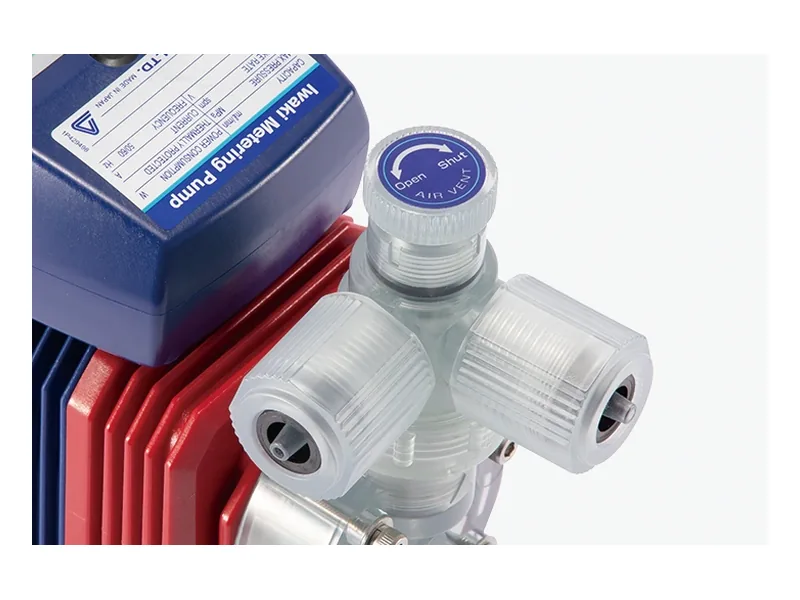
Figure 1: IWAKI EHN-R solenoid metering pump with air vent. Image source: IWAKI official website
- Drips from filling, venting or a diaphragm change, leaving acid, bleach or PAC on the casing and base so carbon steel pits quickly.
- Fumes from open tanks and uncovered drains; a slightly leaky electrical box will take that mist inside.
- Standing rinse water under the base, so the feet rust first.
- Mismatched fasteners, such as carbon-steel screws in a stainless body, which rust at the contact.
Once those paths are clear, dosing pump corrosion protection can go beyond a single coat of paint.
A correctly specified liquid end only protects the wetted parts. The housing, bolts, slides and junction box are a second set of materials. Dosing pump corrosion protection has to treat those layers separately. A PVC head does not save a rusted frame.
Housings, frames and fasteners
Keep coatings on carbon-steel housings intact and touch up breaks before rust creeps from a scratch. In a damp or fume-heavy room a stainless housing is easier to live with, but the fasteners must match; carbon-steel screws in a stainless body will still rust at the contact. Raise the frame so the floor can be washed and can dry. Do not sit the pump in a puddle.
IWAKI EHN-R solenoid metering pumps use fluoropolymer or chemically resistant resin in the wetted path, and the housing is built for chemical service. That helps when the chemical itself is aggressive, but the nearby carbon-steel stand still needs its own dosing pump corrosion protection. A resistant pump will not hold up a rusted rack.
Fasteners, lifting eyes and anchor bolts are easy to skip. If a bolt is seized at the next service, it has probably been sitting in chemical for months. Replace like-for-like and use a thread treatment that can still be undone.
Junction boxes, covers and the room
When a box gasket ages, fumes travel along the cable into the terminals. Open the box on a schedule and look for condensation or green corrosion, and tighten cable glands. Put a drip loop in the cable so liquid cannot climb into the enclosure.
A cover blocks splash and dust, but it also traps moisture if there is no ventilation. The cover itself must resist the chemical, or it becomes a tray of acid. The room is the larger part of dosing pump corrosion protection: a sloped, chemically resistant floor that drains, lids on tanks and trenches, and enough ventilation to move damp air out. PAC or bleach left on the floor will eat pump feet no matter how good the coating is.
When you rinse acid or hypochlorite, wear protection, stop and depressurize the pump first, and keep water out of electrical enclosures. If a cable gland is loose, tighten it before the wash, or the rinse will do what the fumes already started.
Different chemicals change the dosing pump corrosion protection plan
Sodium hypochlorite attacks some elastomers and metals, and a drip on a carbon-steel base leaves pale pits if it dries in place. Rinse it promptly. Hydrochloric or sulfuric acid is more direct: an unprotected floor or base will show marks within days. PAC looks milder, but a puddle that sits around the feet will still lift paint and stain welds.
So dosing pump corrosion protection should follow the chemical. Strong acids and caustics put the floor, the base and the fasteners first. Bleach adds a closer look at gaskets and ventilation. Dry powders need humidity control, or wash-down water will spread a crust of chemical across the room. One coating spec will not fit every chemical room.
A plant that doses several chemicals from the same bench should still isolate spills. A bleach drip onto an acid-stained base creates fumes and fresh corrosion in minutes. Keep trays under fill points and do not share one unprotected drip pan for incompatible liquids.
Routine rinsing and checks
Dosing pump corrosion protection is not a one-time coat of paint. Each shift, look for new drips at the pump, packing and vent. Stop the leak, wipe the residue, and do not leave a crust of salt on the metal.
Rinse the base and floor with clean water, but keep it off motor inlets and boxes. Squeegee standing water away. Check coatings, bolts and gaskets a couple of times a year, more often in a coastal or rainy room. During a diaphragm or valve change, put a tray under the pump so this service does not create the next corrosion site. Wipe and dry the base before you put the pump back in service, even if the floor already looks clean.
Conclusion
Dosing pump corrosion protection has to deal with leaks, fumes and humidity together: match housing and frame materials, keep coatings and fasteners in good condition, seal the junction box, drain and ventilate the room, and rinse residue before it sits. Changing only the liquid end will not save the frame or the wiring. See the dosing accessories page and the IWAKI page for related hardware. Send us the chemical, the room conditions and the pump model, and contact our engineers to see where protection should be added.
FAQ
If the head is PVC or PVDF, do I still need dosing pump corrosion protection?
Yes. The head protects only the wetted path. The housing, frame, bolts and box still see drips and fumes.
The paint on a carbon-steel housing is peeling. What now?
Clean off rust and residue, then touch up with a compatible coating. If attack is already deep or the room stays wet, consider a stainless housing or a cover.
Should dosing pump corrosion protection mean wrapping the pump completely?
Not if the wrap cannot breathe. A sealed cover that does not ventilate will sweat inside. The cover should block splash and still allow air and access.
Is a stainless frame maintenance-free?
No. Chlorides and crevice wetness can still pit stainless steel. Keeping it clean and dry matters more than the name on the material.
Can rinsing damage the electrics?
Yes, if you spray the motor or the box. Shield those parts, drain toward the trench, and dry the base afterwards.