
Diaphragm Seal Pressure Gauge for Corrosive Dosing Lines
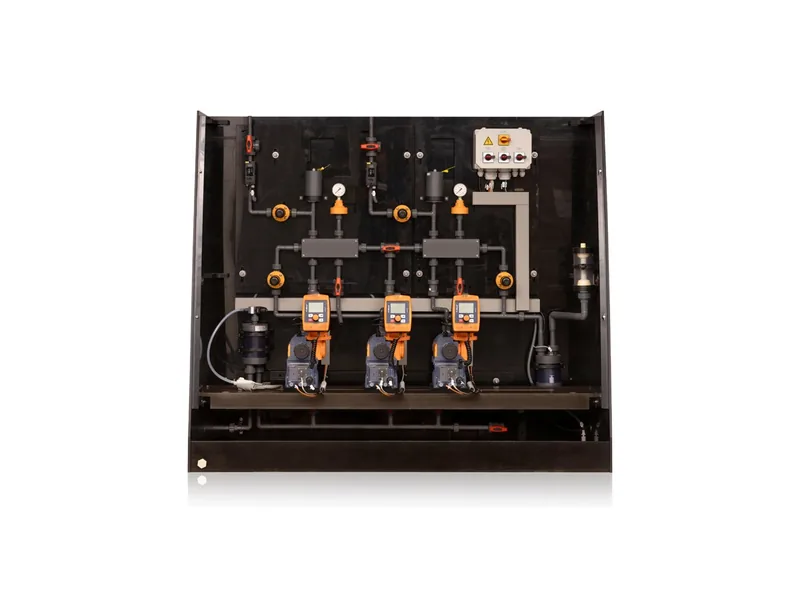
A diaphragm seal pressure gauge is a standard gauge with a seal in front of it: a thin diaphragm keeps the process liquid out, and a fill fluid between the diaphragm and the Bourdon tube carries the pressure across. The chemical never touches the gauge internals, so sulfuric acid, caustic soda, sodium hypochlorite and slurries or crystallizing solutions can all be measured. On a dosing skid, the metering pump discharge, the pulsation damper and the back pressure valve area should all use a diaphragm seal pressure gauge rather than a plain stainless gauge. This guide covers construction, selection, mounting and calibration for skid designers and maintenance teams. For interpreting readings, see metering pump pressure gauge readings.
How a diaphragm seal pressure gauge is built
There are three parts:
- The gauge head, the same Bourdon tube and pointer movement as any gauge.
- The diaphragm seal, a body that clamps a thin diaphragm, commonly PTFE, Hastelloy or tantalum.
- The fill fluid, usually silicone oil, or a food-grade oil in hygienic service.
Process pressure flexes the diaphragm, the fill fluid transmits it, and the Bourdon tube moves the pointer. The assembly is evacuated, filled and sealed at the factory. Do not open it on site. Once air gets in, a diaphragm seal pressure gauge reads slow or wrong, and that is a mistake many maintenance crews make once.
Why corrosive chemicals need a corrosive chemical pressure gauge
A Bourdon tube is a thin metal tube. Let the chemical in and three things happen. Hypochlorite and hydrochloric acid corrode stainless steel, and a perforated tube can spray chemical out of the case. Caustic, phosphate and lime crystallize in the narrow bore, freezing the pointer at a value that looks normal. Viscous polymer solution gets into the tube and never drains, so the reading lags.
A diaphragm seal pressure gauge keeps all of that outside. The key selection point is diaphragm material matched to the chemical. PTFE is a common choice for hypochlorite and hydrochloric acid; strong sulfuric acid needs a check against the material chart; slurries call for a flush, large-diameter seal that is easy to clean.
Damping metering pump pulsation
Metering pump discharge pressure pulses with every stroke. Put a diaphragm seal pressure gauge right at the pump head without damping and the pointer swings hard, wearing the movement. Options, in rising order of effectiveness:
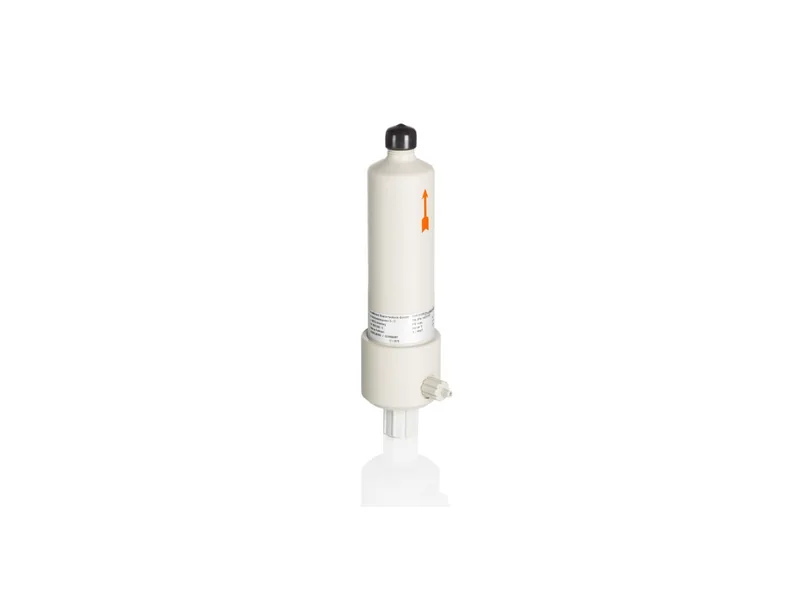
Figure 1: ProMinent in-line pulsation damper. Image source: ProMinent official website
- A liquid-filled gauge case, glycerin or silicone, to slow the pointer.
- A snubber or restrictor ahead of the gauge.
- A properly charged pulsation damper in the line, which flattens the pulses at the source.
The third fixes the cause. If the damper precharge is wrong or the bladder has failed, the gauge will keep swinging; see pulsation damper failure symptoms and metering pump discharge pressure fluctuation.
ProMinent lists manometers and diaphragm seals for monitoring working pressure as part of its DULCODOS panel metering systems, and its in-line pulsation dampers carry a pressure gauge to show damper operating pressure. That is the idea behind a gauge guard for metering pumps: keep chemical out of the gauge while still seeing whether pulsation is under control.
Where gauges belong on a dosing skid
Most skids need at least one diaphragm seal pressure gauge between the pump discharge and the first valve, so the operator can see what the pump is actually working against. A second diaphragm seal pressure gauge near the pulsation damper shows whether the damper is doing its job. On long lines, a gauge just upstream of the back pressure valve helps when setting it, because the reading there is the pressure the valve really sees. Skip the suction side unless you have flooded suction from a pressurized tank; a vacuum reading on a small dosing pump is rarely useful. If the chemical tends to degas, like hydrogen peroxide or hypochlorite, place the gauge where trapped gas can vent rather than at a high dead end, or the reading will wander as bubbles collect under the diaphragm.
Mounting a diaphragm seal pressure gauge
- Mount the gauge head vertical and upright where possible; tilting adds a fill-fluid head error.
- Fit an isolation valve in a chemical-resistant material so the gauge can be removed without shutting down the line.
- Choose a range that puts normal pressure near mid-scale, roughly one third to two thirds of full scale. Too low and pulses peg the needle; too high and the reading is hard to see.
- Tighten using the wrench flats on the seal body, never the gauge case.
Safety: stop the pump and relieve line pressure before removing any diaphragm seal pressure gauge, and wear gloves and eye protection.
Calibrating the gauge
Calibrate the seal and gauge head as one unit; never split them to test the head alone. A simple field check is to stop the pump, relieve pressure and confirm the pointer returns to zero. If it does not, suspect a deformed diaphragm, lost fill fluid or a damaged movement.
A diaphragm seal pressure gauge with a crushed diaphragm or leaking fill should be replaced as an assembly or refilled by the maker. Topping up fill fluid on site traps air and causes lag.
Conclusion
Use a diaphragm seal pressure gauge on any corrosive, crystallizing or viscous chemical, especially at the metering pump discharge, damper and back pressure valve. Choose diaphragm material first, then range and a filled case; mount it upright with an isolation valve; calibrate seal and head together. Browse dosing accessories or the ProMinent brand page. Send us the chemical, concentration and working pressure, and contact our engineers to pick a corrosive chemical pressure gauge that fits.
FAQ
How is it different from a liquid-filled gauge?
A liquid-filled gauge only damps the pointer; chemical still enters the Bourdon tube. A diaphragm seal pressure gauge isolates the chemical completely.
What diaphragm suits sodium hypochlorite?
PTFE with a corrosion-resistant body is common. Confirm against concentration and temperature.
Can a gauge that does not return to zero be repaired?
Rarely on site. A deformed diaphragm or lost fill usually means replacement or factory refill.
Does every metering pump need a discharge gauge?
It is strongly recommended. Discharge pressure is the direct check on back pressure setting, line blockage and diaphragm health.
Is a higher range safer?
No. An oversized range squeezes normal readings into the first part of the dial. Size for mid-scale.