
Magnetic Flow Meter for Chemical Dosing: Conductivity and Pulsing Flow
A magnetic flow meter for chemical dosing works well on most water-based chemicals, as long as three conditions are met. The liquid must conduct electricity above the meter's minimum rating. The pulsing flow from a reciprocating metering pump has to be smoothed or accounted for. And the meter must be sized by velocity, not by pipe size. Sodium hypochlorite, acids, caustic and coagulants are usually fine. Pure water and organic solvents usually are not.
How a Magnetic Flow Meter for Chemical Dosing Generates a Signal
A mag meter uses Faraday's law. Coils create a magnetic field across the tube. A conductive liquid moving through that field acts like a moving conductor, and two electrodes pick up a voltage proportional to velocity.
No conductivity, no voltage. That is why every datasheet lists a minimum conductivity. For standard meters this is typically in the low single-digit µS/cm range, and small bore or special designs may need more. Always confirm against the specific meter's datasheet.
Mag Meter Conductivity Requirement: Which Chemicals Pass
Most treatment chemicals are electrolytes and sit far above the threshold. Hypochlorite, sulfuric acid, hydrochloric acid, caustic soda, PAC and ferric salts are all routine applications for a magnetic flow meter for chemical dosing.
Trouble spots:
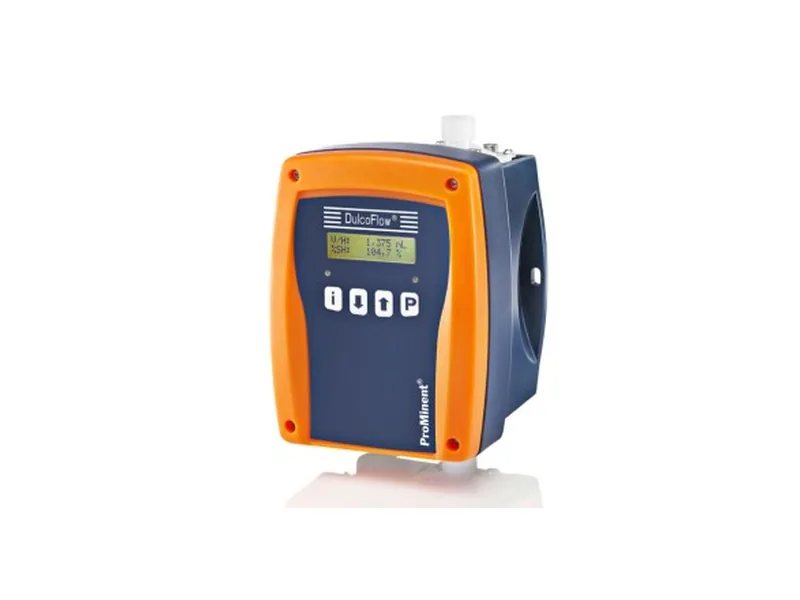
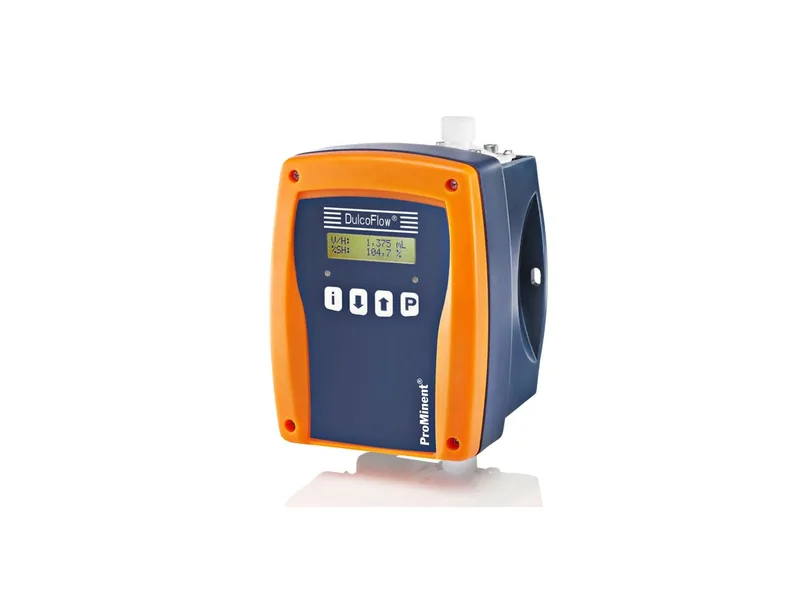
Figure 1: ProMinent DULCOFLOW flow meter. Image source: ProMinent official website
- Demineralized water, RO permeate and condensate. Conductivity is simply too low.
- Solvents and oils. Alcohols, diesel and many organic additives are essentially non-conductive.
- Gassing chemicals. Aged hypochlorite releases bubbles that sit on the electrodes and pull the reading down.
- Sticky polymers. Polymer solution conducts, but it can coat the electrodes and cause drift over time.
When in doubt, take a sample and check it with a handheld conductivity meter before ordering a magnetic flow meter for chemical dosing. Ten minutes with a test meter costs far less than returning an instrument that never gives a stable reading.
Why Pump Pulsation Upsets a Magnetic Flow Meter for Chemical Dosing
This is the trap most buyers miss. A diaphragm metering pump delivers flow only on the discharge stroke. On the suction stroke the line is momentarily stopped. Instantaneous flow looks like a sawtooth. If the meter's sampling and damping cannot keep up, the display jumps between zero and peak and the totalizer may drift.
Common fixes:
- Install a pulsation dampener and back pressure valve, with the meter downstream of both. See our explainer on how a metering pump pulsation damper works.
- Increase the damping time in the transmitter and trust the totalized volume over the instantaneous value.
- Verify against a drawdown test, as described in our metering pump calibration guide.
Another route is a different principle. The ProMinent DULCOFLOW flow meter uses ultrasound and is built for small pulsating flows right after a metering pump. It needs no electrical conductivity, its wetted parts are PVDF and PTFE, and it is installed about 30 cm downstream of the pump so that the pulsation is still there to measure. Where conductivity is too low or the stroke volume is tiny, a dedicated device like this is often the better answer than a magnetic flow meter for chemical dosing.
Liner and Electrode Material for a Magnetic Flow Meter for Chemical Dosing
Liners are typically PTFE, PFA or rubber. Corrosive chemicals generally call for a fluoropolymer liner, while rubber liners are better kept for water and wastewater.
Check the electrode separately. Tantalum resists most acids but not strong caustic. Hastelloy is common on caustic service. For oxidizers such as hypochlorite, confirm with the manufacturer's corrosion table. A PTFE liner does not protect you if the electrodes corrode; you will get leaks and drift. Before removing a meter from an acid, caustic or hypochlorite line, depressurize and drain it and wear face and hand protection.
Small Bore Flowmeter for Dosing Lines: Size by Velocity
Metering pump flows are low, yet the line may be 1/2 inch or 3/4 inch. A meter matched to the pipe size will see very low velocity and lose accuracy. A small bore flowmeter for dosing lines should be sized by velocity. Work out velocity at minimum and maximum flow, keep it inside the recommended band, and reduce the line size at the meter if needed.
Plastic piping needs grounding, and this is where many a magnetic flow meter for chemical dosing gets blamed for a wiring problem. Because the pipe does not conduct, fit grounding rings or choose a meter with a grounding electrode, or noise will swamp the signal. For a wider comparison of meter types see our dosing pump flow meter selection guide, and current models are listed under flow meters.
Installation Details That Matter
A magnetic flow meter for chemical dosing only reads correctly when the tube runs full. In vertical runs, flow should go upward. In horizontal runs, keep the electrode axis horizontal so bubbles do not collect on an electrode. Never place the meter in the mixing zone just after an injection point, where two liquids blend and conductivity is unstable. Respect the straight run lengths in the datasheet.
Conclusion
A magnetic flow meter for chemical dosing is a solid choice for conductive, water-based chemicals once you handle pulsation, sizing and materials. Check conductivity first, then deal with the pump's pulsing flow, then size by velocity and choose electrodes for the chemical. For pure water, solvents and very small stroke volumes, an ultrasonic dosing monitor is usually less trouble. More product information is on our ProMinent brand page. Send us the chemical, concentration, flow range and line size, and contact our engineers to confirm the selection.
FAQ
Can a mag meter measure sodium hypochlorite?
Yes, a magnetic flow meter for chemical dosing handles it because conductivity is high enough. Choose an electrode rated for oxidizers and keep gas bubbles away from the electrodes.
Why does my mag meter read zero on pure water?
Its conductivity is below the meter's minimum, so the electrodes see almost no signal. Use another measuring principle.
The reading jumps after the metering pump. What should I do?
Add a dampener and back pressure valve, lengthen the damping time and use the totalizer as your reference.
How small can a magnetic flow meter for chemical dosing go?
Very small bores exist, but the smaller the bore, the more conductivity and cost factors matter. Size by velocity.
Does a mag meter need recalibration?
Check it against a calibration column or drawdown test periodically. If it drifts, look for electrode coating and grounding problems first.