
Metering Pump Pressure Fluctuation: Valves, Dampers and Piping
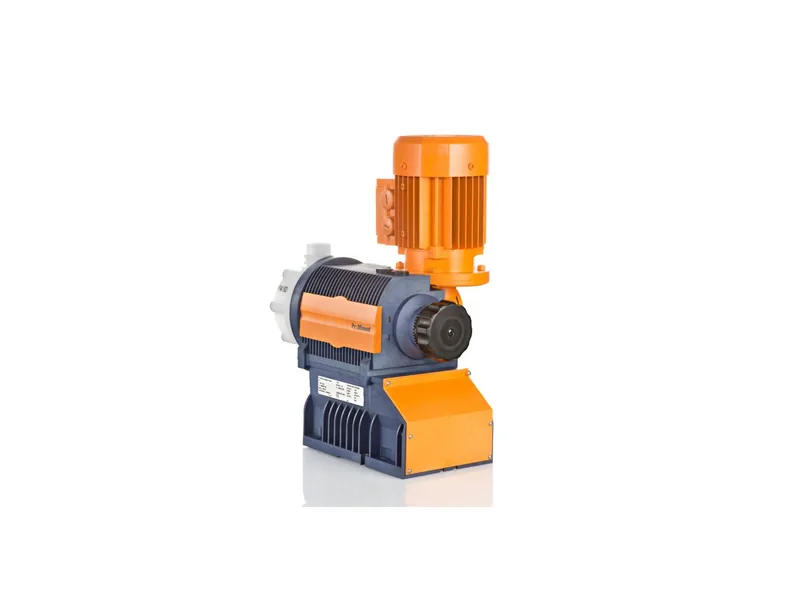
The gauge needle jumps up and drops back, the discharge line shakes and pipe clamp bolts work loose. Metering pump pressure fluctuation is one of the most common complaints on reciprocating dosing systems.
One point first: a reciprocating metering pump pushes liquid in pulses, so some pulsation at the discharge is normal. The problem starts when the swing gets large enough to upset dosing accuracy, damage instruments or crack piping.
Normal pulsation or a real fault?
Three quick checks tell you which one you have:
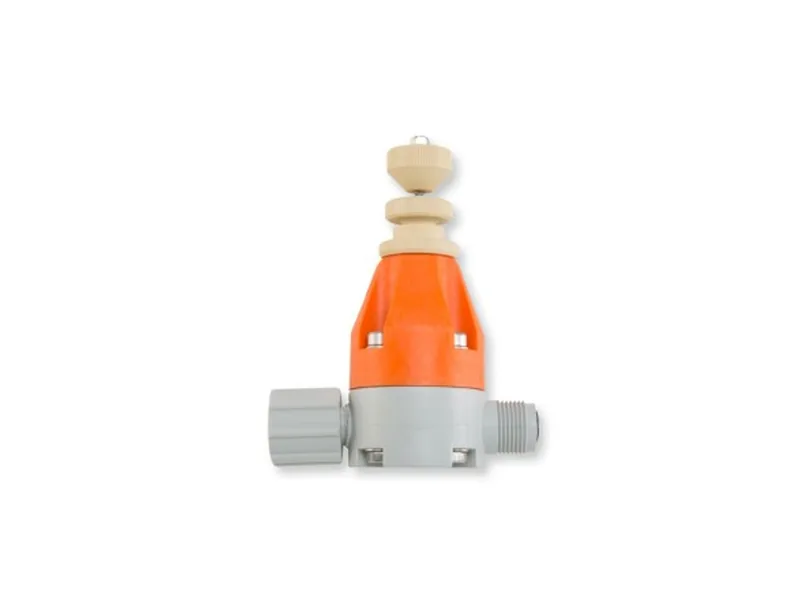
Figure 1: ProMinent dosing pump back pressure valve. Image source: ProMinent official website
- The needle moves in step with the stroke and the swing is small: normal pulsation.
- The swing is clearly larger than it used to be: something has changed.
- The swing is irregular and flow is dropping: there is almost certainly a fault.
The gauge itself needs a snubber or diaphragm seal. Without one, constant needle movement wears the gauge out and the reading cannot be trusted.
Read suction and discharge pressure together
Fit gauges on both sides of the pump when you troubleshoot metering pump pressure fluctuation.
- Suction side: low or negative pressure means the pump chamber does not fill, so discharge pressure varies stroke to stroke.
- Discharge side: pressure should sit around the back pressure valve setting, with pulsation in step with the stroke.
If suction pressure is also swinging hard, the cause is usually in the suction line rather than the discharge.
Common causes of metering pump pressure fluctuation
1. Check valve problems
A worn ball, a dirty seat or crystal build-up stops the discharge check valve closing fully. Liquid flows back on every stroke and pressure jumps around. A leaking suction valve has the same effect. Check valves are the first place to look.
2. Back pressure valve set wrong or sticking
When system pressure is low, the back pressure valve gives the pump a stable load. If it is missing, set too low or sticking, discharge pressure follows whatever the line is doing. See our guide on adjusting the back pressure valve.
3. Pulsation damper not working
The damper flattens pressure peaks. A torn bladder, wrong pre-charge or a damper mounted too far from the pump means metering pump pressure fluctuation appears almost immediately. The working principle is explained in how a pulsation damper works.
4. Poor suction conditions
Long or narrow suction lines, viscous chemicals or a low tank level cause cavitation and gas bubbles during suction. Gas in the liquid compresses, and discharge pressure becomes unstable. Sodium hypochlorite, which releases gas, shows this clearly. Warm chemical in summer gives off more gas, so some sites see worse metering pump pressure fluctuation by day than at night. A self-degassing pump head and suction piping without high points help a lot.
5. Piping layout
Long discharge lines, many elbows and small pipe sizes increase acceleration losses and amplify pulsation. Too few pipe supports let the line resonate, and the gauge reading jumps with it.
6. Problems inside the pump
A fatigued diaphragm, a faulty refill or bleed valve on a hydraulic pump, or a loose stroke adjuster can make each stroke deliver a different volume, and discharge pressure follows.
Troubleshooting sequence
Work from easy to difficult:
- Confirm the gauge is healthy and has a snubber.
- Check the back pressure valve setting against the drawing or commissioning record.
- Check damper pre-charge, usually 60–80% of working pressure; follow the damper manual.
- Strip and clean discharge and suction check valves, replacing balls and seats if needed.
- Check suction conditions: tank level, strainer, suction pipe size and length.
- Check pipe supports and routing.
- Only then open the pump head to inspect the diaphragm and hydraulic parts.
For guidance on setting pressures, see metering pump pressure adjustment.
Keep a simple pressure log
A short log makes metering pump pressure fluctuation much easier to diagnose. At commissioning, write down suction pressure, discharge pressure, the size of the needle swing, damper pre-charge and stroke setting. On routine rounds, note the same values once a week. When the swing grows, you can compare against the baseline instead of guessing what "normal" looked like. A gradual increase usually points to wear in check valves or a damper losing pre-charge, while a sudden change after maintenance points to something reassembled wrongly. Operators who keep this log often find the cause of metering pump pressure fluctuation before it affects the process, and the record is useful when you call the manufacturer for support on metering pump pressure fluctuation issues.
Reducing pulsation at the design stage
On new projects, a few decisions prevent most metering pump pressure fluctuation later:
- Fit a back pressure valve and a damper, with the damper close to the pump discharge.
- Keep suction lines short and generously sized, with no gas traps.
- Support piping properly, with a fixed support near the pump outlet.
- Avoid very high stroke rates; for large flows, a duplex pump lets pulses partly cancel out.
Manufacturers such as ProMinent supply matching dampers and back pressure valves with their motor-driven pumps, which makes sizing easier.
Link with unstable flow
Metering pump pressure fluctuation and unstable flow often appear together. Pressure swings can be the cause or the result, so look at both. Other causes of erratic output are covered in metering pump unstable flow causes.
Conclusion
Start by deciding whether you are looking at normal pulsation or a fault, then read suction and discharge pressure together to locate the problem. The usual causes of metering pump pressure fluctuation, in rough order of frequency, are leaking check valves, a wrongly set back pressure valve, a failed damper, poor suction and bad piping layout. Work from simple to complex and most cases are solved at the valve and damper stage.
If you need help analysing pressure readings on site, contact our engineers.
FAQ
Is it normal for the discharge gauge needle to move all the time?
Small movement in step with the stroke is normal. A sudden increase or irregular swing needs investigation.
How should damper pre-charge be set?
Typically 60–80% of system working pressure, but follow the damper manufacturer's instructions.
What happens without a back pressure valve?
At low discharge pressure the pump can siphon and overdose, and both pressure and flow become unstable.
Is a suction gauge really necessary?
Yes. Without suction pressure you cannot tell whether metering pump pressure fluctuation starts on the suction or discharge side.
I replaced the check valves and it still fluctuates. What next?
Check the damper, back pressure valve and suction conditions, then open the pump head to inspect the diaphragm.