
Metering Pump Pressure Gauge: Normal Readings and Warning Signs
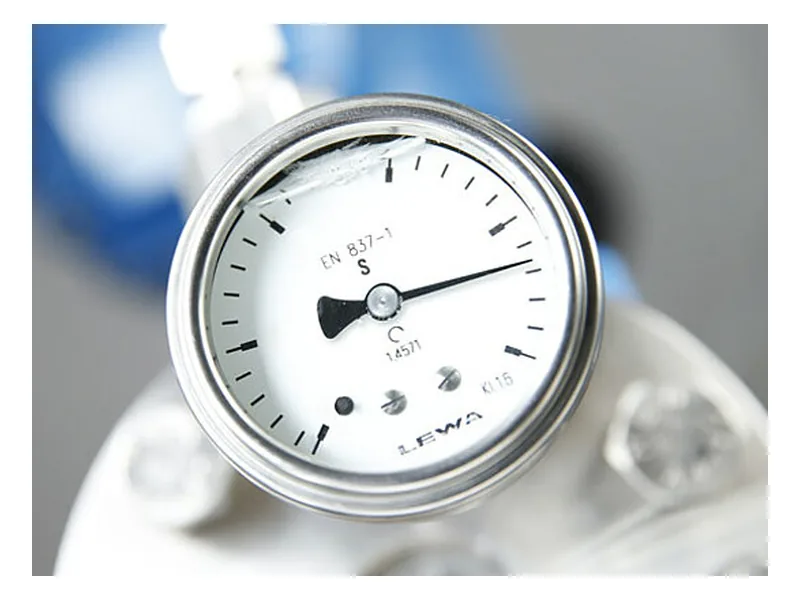
A metering pump pressure gauge needle that swings back and forth is normal for a reciprocating pump. Reading it well means watching three numbers: the peak, the low point and the size of the swing. The peak reflects discharge resistance and back pressure. The low point reflects suction and check valve condition. The swing reflects pulsation and how well the damper is working. Compare all three against normal and most problems become obvious.
This article covers where the metering pump pressure gauge goes, how to read it and what to check when the numbers change.
Where the Gauge Is Fitted
There are two common positions. One is on or right next to the pump head outlet, which shows pressure in the head itself and swings the most. The other is on the discharge line after the damper, which shows smoothed line pressure and a steadier needle. On some hydraulic diaphragm pumps there is also a gauge on the diaphragm monitoring port. That one should sit near zero.
Fitting one gauge at the pump outlet and one after the damper lets you tell a pump problem from a pipework problem.
What a Normal Reading Looks Like
In normal running, the metering pump pressure gauge rises from a low value to a peak and falls back once per stroke, in time with stroke rate. The peak is roughly the back pressure valve setting plus line losses. The low point is near zero or suction pressure. The swing is large before the damper and much smaller after it.
Record the peak, low point and swing at commissioning. One reading on its own tells you little. Comparison with that baseline tells you a lot.
What Abnormal Readings Mean
Peak rises
Discharge resistance has increased: a valve partly closed, a blocked strainer, a scaled injection point or a back pressure valve turned up. If it keeps climbing to the relief valve setting, the pump starts to relieve. Walk the discharge line section by section.
Peak falls
The back pressure valve may have failed or been turned down, a discharge check valve may be leaking, injection point pressure may have changed, or the pump may be under-delivering. See causes of low dosing pump pressure.
Swing gets wider
A failed damper is the usual cause: lost pre-charge or a torn bladder. A new long or narrow pipe section also widens the swing. See discharge pressure fluctuation.
Needle barely moves or reads zero
The pump is not delivering. Look for an empty suction, air, a stuck check valve or a ruptured diaphragm. The gauge itself may also be faulty or its isolating valve closed. Confirm the gauge valve is open and tap the case to see if the needle is stuck.
Pressure on the diaphragm monitor
A reading on the diaphragm monitoring gauge usually means the diaphragm has ruptured. Stop the pump before chemical reaches the hydraulic oil.
Choosing a Metering Pump Pressure Gauge
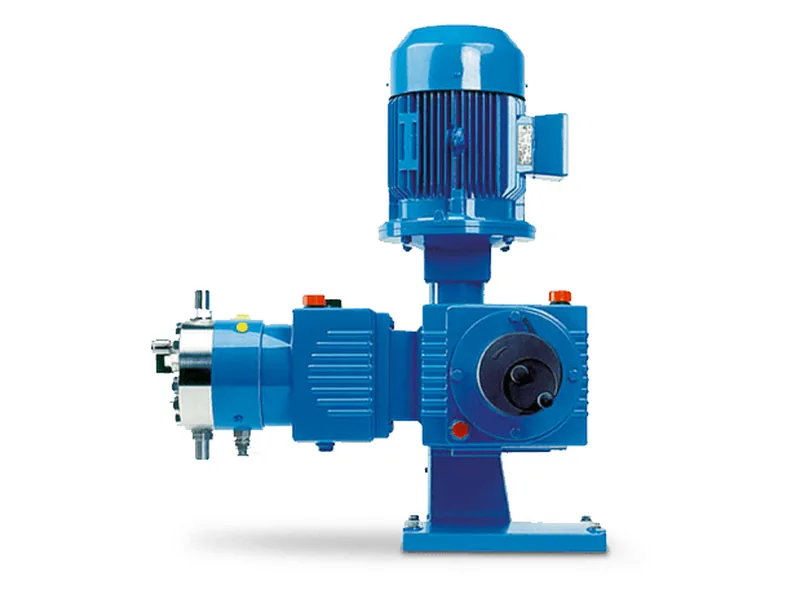
Figure 1: LEWA 力华 ecoflow hydraulic diaphragm metering pump. Image source: LEWA 力华 official website
- Range: about one and a half to two times maximum working pressure, so the normal reading sits in the middle third of the dial where it is easy to read and kind to the mechanism.
- Damping: near the pump head, use a liquid-filled gauge or add a gauge snubber, or constant swinging will ruin accuracy quickly.
- Materials: for corrosive chemicals, use a diaphragm seal gauge with a compatible diaphragm material.
Calibration and Care
A metering pump pressure gauge is a measuring instrument and should be calibrated at the interval local rules require. On rounds, check for a fogged dial, a needle that returns to zero and a leaking gauge valve. If the gauge is wrong, every judgment based on it is wrong, so confirm the gauge first when a reading looks odd.
Several Pumps on One Header
When several pumps share a discharge header, each pump needs its own gauge and check valve. If one pump reads clearly lower than the others while header pressure is normal, that pump is probably under-delivering or has a leaking check valve. If every pump reads higher at once, check the header and injection point instead of stripping pumps one by one.
Logging Readings on Rounds
Log the metering pump pressure gauge peak and low point once a shift, with stroke length, stroke rate and tank level. Keep it simple and keep it going. Slow trends often reveal problems earlier than a single odd reading. An injection point scaling up, for example, usually shows as a peak creeping higher week by week.
Using the Metering Pump Pressure Gauge During Commissioning
Commissioning is the best time to learn what a healthy metering pump pressure gauge looks like on your system. Start at low stroke, then raise it in steps and note the peak and low point at each step. The peak should rise only a little as stroke increases if the damper is sized well. A peak that jumps sharply with stroke points to a small damper, a narrow line or a back pressure valve set too high. Write these values on a tag next to the metering pump pressure gauge so operators can compare at a glance.
Conclusion
A swinging needle on a metering pump pressure gauge is normal. Watch the peak, the low point and the swing, and compare them with the commissioning baseline. A rising peak points to a blocked discharge, a falling peak to back pressure or check valves, a wider swing to the damper, and zero to suction or the diaphragm. Pick the right range, damping and materials, and calibrate regularly. See our hydraulic diaphragm metering pumps and the LEWA range, or send a photo and contact our engineers.
FAQ
Is a constantly swinging metering pump pressure gauge normal?
Yes, if it swings in time with the stroke. Watch for changes in the size of the swing.
The gauge reads far above the back pressure setting. What now?
Check discharge valves and the injection point for blockage, then look for long or narrow pipe runs.
How does a diaphragm seal gauge differ from a standard gauge?
A diaphragm separates the chemical from the mechanism, which suits corrosive or crystallising fluids.
How often should the gauge be calibrated?
Follow local rules, usually at least once a year.
Can I tell if the pump is dosing without a gauge?
A calibration column will tell you, but a metering pump pressure gauge makes daily checks much easier.