
Pulsation Damper Failure: Symptoms, Checks and Repair
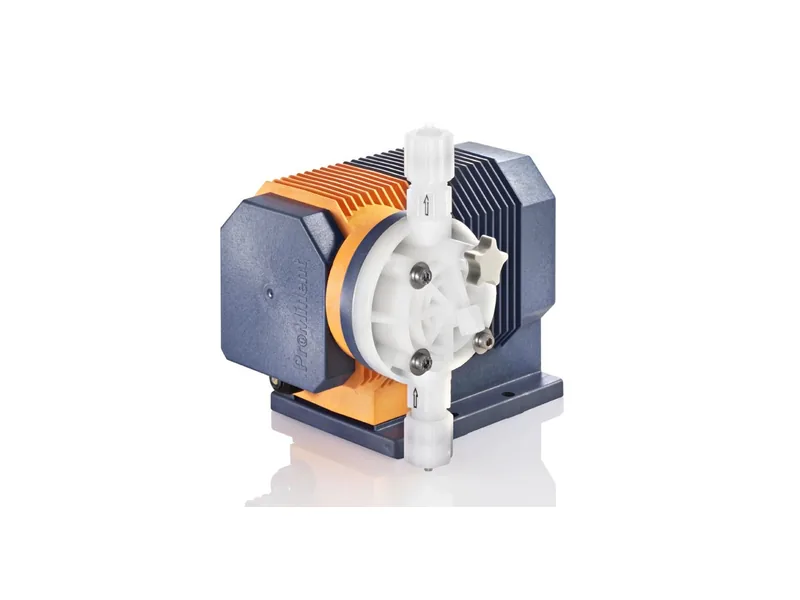
A pulsation damper sits quietly on the pump discharge and never raises an alarm. On many sites nobody looks at it until a pipe cracks or a gauge is shaken to pieces. Yet pulsation damper failure gives plenty of warning if you know what to watch for.
This article does not repeat how dampers work or how to install them. For that, see how a pulsation damper works and damper installation. Here we focus on symptoms, diagnosis and repair.
Symptoms of pulsation damper failure
The most common signs on site are:
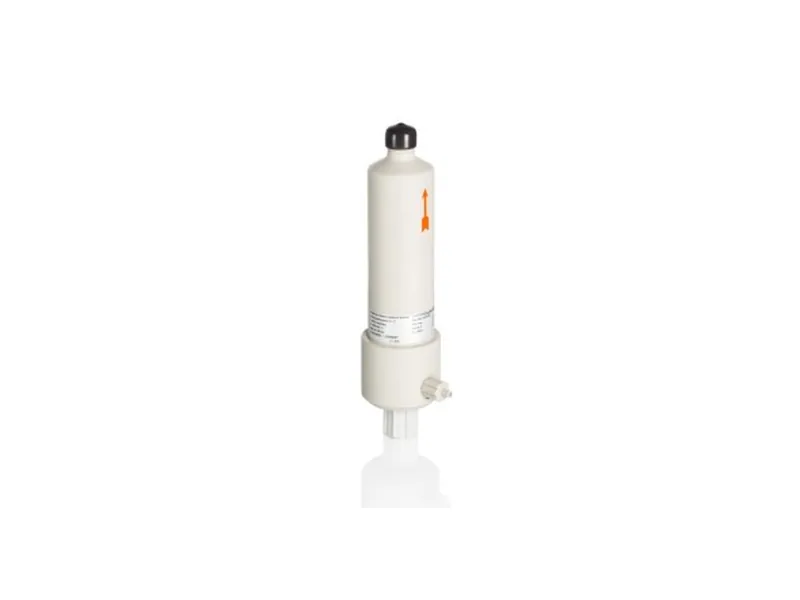
Figure 1: ProMinent inline pulsation damper. Image source: ProMinent official website
- The discharge gauge swing is clearly larger than before.
- Discharge piping vibrates more, clamps work loose and you may hear knocking.
- Flow meter readings jump around.
- The relief valve lifts often and its outlet keeps dripping.
- The damper body vibrates with the pipe instead of absorbing the pulse.
If these appeared suddenly after a certain date, the damper or a nearby valve is the likely cause.
Three types of pulsation damper failure
Ruptured bladder or diaphragm
This is the most frequent case. A bladder or diaphragm separates the gas cushion from the chemical. Age, chemical attack or long-term over-flexing from the wrong pre-charge eventually tears it. Chemical then floods the gas side, the gas escapes and the damper becomes a short length of pipe.
Check: release a little gas from the charging valve. If chemical or chemical-smelling gas comes out, the bladder has failed.
Lost pre-charge
The bladder is intact, but the charging valve leaks or nobody has topped it up. As pre-charge falls, the bladder is pressed flat against the housing and stops cushioning.
Check: with the system depressurised, measure gas pressure at the charging valve and compare it with the nameplate or manual.
Blocked inlet
Crystals or deposits block the damper connection, so chemical cannot enter and there is no cushioning. This is common with PAC, lime slurry and sodium silicate.
Check: remove the inlet fitting and look for build-up. On a working damper you can often feel it "breathe" in time with the pump.
Quick diagnosis on site
- Compare gauge swing with earlier records, if you keep them.
- Stop the pump, relieve pressure and measure pre-charge.
- Bleed a little gas and check for chemical.
- Open the inlet and check for blockage.
- Also check the back pressure valve and discharge check valve.
Step 5 matters because a failed back pressure valve looks very similar to pulsation damper failure, and the two are often confused.
Repair options
Recharge
If only pre-charge is low, top it up to the specified value, typically 60–80% of working pressure using nitrogen or dry air, per the manual. Watch it for a week. If it drops again, the valve or bladder is leaking.
Replace the bladder
If spares are available, replace only the bladder. Release gas pressure before opening the housing and note orientation and sealing faces. Match bladder material to the chemical; hypochlorite and strong acids typically need PTFE or a specific elastomer, and the wrong choice brings pulsation damper failure back quickly.
Replace the damper
For small dampers, or where the housing is corroded, replacing the whole unit is often simpler. Match volume and pressure rating to the original model or recalculate them. Do not fit something just because the connection size matches. Our spare parts list helps with planning.
Which chemicals cause trouble most often
Some duties see pulsation damper failure far more often than others. Sodium hypochlorite releases gas and slowly attacks many elastomers, so bladders age quickly and gas can build up on the liquid side. Sulfuric acid at high concentration attacks the wrong bladder material within weeks. Polymer and slurries settle in the damper body and block the inlet. On these duties, shorten the inspection interval, record pre-charge every month and keep a spare bladder in stock. If pulsation damper failure keeps returning on the same line, review the material selection and damper volume with the supplier rather than replacing parts again and again. A damper that is slightly oversized and correctly charged usually lasts longer than one working at its limit, and it reduces the risk of repeated pulsation damper failure.
Routine maintenance
- Note the gauge swing once a month.
- Measure pre-charge every quarter and top up if needed.
- Flush the inlet regularly on chemicals that crystallise.
- Replace bladders at the interval in the manual, more often on aggressive chemicals.
Suppliers such as ProMinent offer dampers matched to their pumps, which makes replacement straightforward.
What happens if you ignore it
Pulsation damper failure is not only a cosmetic problem with a jumpy gauge:
- Pipes and welds crack from fatigue and leak chemical.
- Gauges and flow meters are damaged and give false readings.
- Dosing accuracy drops.
- The relief valve wears from constant lifting and may not work when it is really needed.
- Pump drive parts take repeated shock loads.
Fixing a damper is cheap compared with these consequences. For other causes of erratic output, see metering pump unstable flow causes.
Conclusion
The main signs of pulsation damper failure are a larger gauge swing, more pipe vibration, jumping flow readings and frequent relief valve lifting. Most cases come down to a ruptured bladder, lost pre-charge or a blocked inlet, and three simple checks separate them: measure pre-charge, bleed gas to look for chemical, and open the inlet. Recharging, replacing the bladder or fitting a new damper are all straightforward. Regular checks prevent pulsation damper failure from turning into a cracked line.
For damper sizing or spare parts, contact our engineers.
FAQ
Can the pump keep running with a failed damper?
For a short time, yes, but vibration and dosing error increase. Repair it soon.
How often should pre-charge be checked?
Quarterly in most systems; monthly on aggressive chemicals or high-vibration lines.
Can I recharge with compressed air?
Dry air works, but nitrogen is better because it contains no moisture.
Is a damper the same as an air chamber?
They do a similar job, but an air chamber has no bladder, so gas and liquid are in contact. It suits low-pressure duty.
Why is vibration still high after fitting a new damper?
The volume may be too small, pre-charge may be wrong, or the back pressure or check valves may also be faulty. Check them all for pulsation damper failure symptoms.