
Food Plant Disinfectant Dosing: Cold Rooms and Surfaces
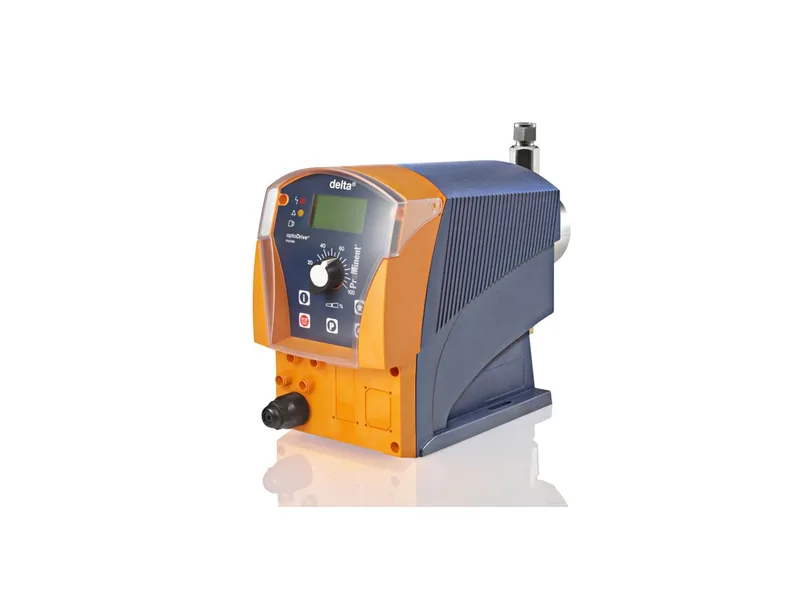
Food plant disinfectant dosing covers cold-room surfaces, utensil soak tanks, floors, and drains. It is not CIP of tanks or process pipe, and it is not the sanitizer feed on beverage process water. Concentrate is diluted to a use strength, then sent to fogging, spray, or soak stations on a shift or area basis. In a cold room the reaction slows and viscosity rises, so the same stroke does not deliver the same effective residual you see in a warm workshop. This article is for quality and maintenance staff who set up food plant disinfectant dosing for rooms and utensils only.
How food plant disinfectant dosing differs from CIP
CIP uses caustic, acid, and hot water on closed pipe and tank walls, with concentration, temperature, and circulation time as the controls; see CIP dosing pump selection. Environmental and utensil work uses a diluted disinfectant on open surfaces and air, and the controls are use strength, contact time, and whether residue stays on a food-contact face. Keep the two pump sets and the two pipe sets apart. If food plant disinfectant dosing is teed into a CIP return or a strong-caustic line, the next clean or the next spray will carry the wrong product and the wrong strength.
Typical agents for food plant disinfectant dosing are sodium hypochlorite and peracetic acid; some plants also use chlorine dioxide or other products allowed for food-environment use. Hypochlorite off-gasses and can crystallize, so the head and suction line should be chosen for a gassing fluid; see sodium hypochlorite dosing pump selection. Peracetic acid also decomposes and releases gas. Keep the suction short and vent the head after a stop. Do not switch products in an unflushed barrel or hose; see chemical compatibility in dosing lines.
Process-water disinfection is a third line, with the feed point on a water tank or a pipe ahead of filling, as described in beverage water treatment dosing. Do not tie food plant disinfectant dosing for room fogging into the process-water main.
Where the metering pump sits in food plant disinfectant dosing
Most food plant disinfectant dosing setups dilute concentrate to use strength, then feed spray, foam, or a soak tank. A small workshop can inject into a fresh-water line in proportion to flow and use the mix immediately. A larger site with many stations usually keeps a use-solution tank; the pump tops it up on level or on a shift, and the spray system draws from that tank. ProMinent solenoid or motor-driven diaphragm pumps are common at these flows; compare them on the ProMinent brand page and the metering pump category.
Size the pump with headroom so the normal stroke sits in the middle of the range. The injection point needs a check valve so water or use solution cannot run back into the concentrate line. Keep the tank covered and out of light. Hypochlorite strength falls in storage, so calibrate food plant disinfectant dosing on a schedule and do not trust yesterday's stroke.
A cold room adds temperature to the picture. At low room temperature the same stroke may starve on suction, and the surface kill looks slow because the reaction itself is slower. Do not walk in and open the stroke to the stop to "make up for the cold" in food plant disinfectant dosing. Evaporator fins and aluminum coils do not tolerate excess chemical or a heavy fog. Wet the surface and hold the specified contact time. Do not soak packed product or the packing table until it drips.
Low temperature, leftover solution, and crossed pipe
The usual mistake in food plant disinfectant dosing is spraying CIP-strength solution on rooms and utensils. CIP solutions are stronger and hotter; on an open surface they injure people and equipment, and the residue is harder to rinse. The next mistake is moving product or carts while leftover solution still stands on the floor, so the chemical travels into areas that should stay dry.
These plant-floor problems show up often:
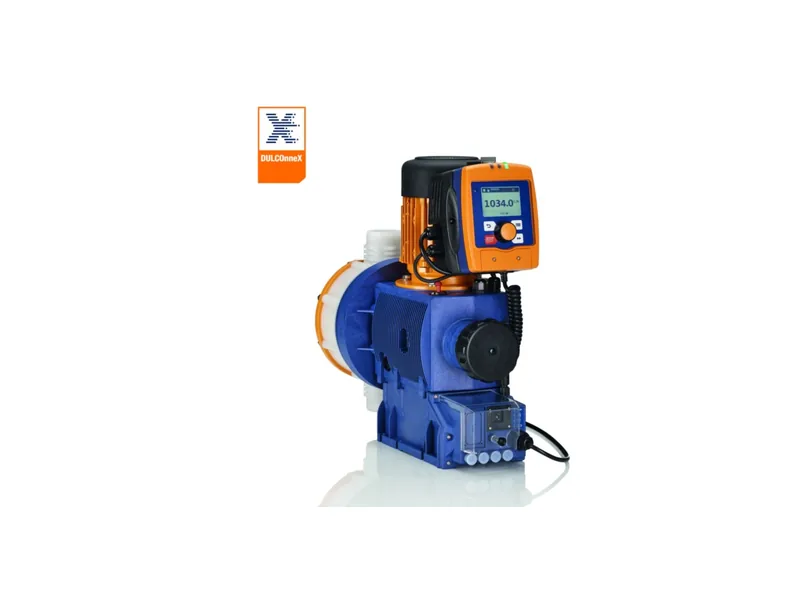
Figure 1: ProMinent Sigma X S3Cb motor-driven metering pump. Image source: ProMinent official website
- Frequent door openings in a cold room drop condensate onto a fresh film and dilute the residual below the recipe.
- A fog nozzle aims at the evaporator discharge, so the mist is blown away, contact time is short, and the fins corrode.
- A utensil soak tank is never changed. Organic load builds, the residual falls, and the tank still looks as if it is working.
- Floor wash runs to a drain and the mixture in the trench sends odor back into the room.
Place the injection point for food plant disinfectant dosing near the use-solution tank or the spray supply, and sample after mixing. For hypochlorite or peracetic acid, depressurize and isolate power before you open a head, wear eye and chemical protection, and ventilate the chemical room.
Central make-up versus dilution at the station
A site with few stations, a fixed shift pattern, and a modest volume of use solution can dilute on the fresh-water line with a metering pump. You skip a storage tank and the solution stays fresh. A site with many cold rooms and scattered fog points, all of which must be treated in the same window, is easier to run food plant disinfectant dosing from a central use-solution tank. That tank still needs to be kept dark, emptied, and remade on a schedule. Do not top yesterday's leftover with a new batch and store the mix for days.
Do not use one pump for caustic in the morning and disinfectant in the afternoon. Residue in the head and tubing will consume the next batch and can send the wrong chemical to a spray gun. Two labeled systems are safer than one shared pump in food plant disinfectant dosing.
Conclusion
Food plant disinfectant dosing stays repeatable when it is kept apart from CIP and from process-water disinfection, and when a metering pump dilutes concentrate to a use strength for the right contact time and the right surface. In a cold room, account for low temperature and condensate; do not chase that loss by opening the stroke. Have the product, use strength, room temperature, and treated area ready, then contact us for a pump check against that duty and the wet-end materials.
FAQ
Can I spray CIP caustic or acid on rooms and utensils?
No. CIP concentration and temperature are not meant for open surfaces. The spray is unsafe, and the residue is hard to rinse. Keep food plant disinfectant dosing on its own dilution line. The CIP skid stays on closed pipe and tanks.
Why does a cold-room fog seem slower than a workshop spray?
The room is colder, so the reaction is slower, and condensate dilutes the film. Check contact time against the cold condition, adjust use strength if the protocol allows it, and see whether the mist is being blown off by the evaporator. Opening the stroke to the stop is the wrong first move in food plant disinfectant dosing.
Can peracetic acid and hypochlorite share one pump and one barrel?
Not in unflushed equipment. The two products can release irritating gas and will consume each other. Flush the head, hose, and tank before you change concentrate in a food plant disinfectant dosing skid.
How often should I change a utensil soak tank?
There is no single hour count. It depends on organic load and a measured residual. When tools carry fat or blood, the residual falls quickly. Test during the shift and change the tank when it reaches the lower limit, not when the water still looks clear.
Should the metering pump interlock with the spray system?
If the spray starts, top up; if the spray stops, stop the pump. That avoids overflow or a dry tank. If you batch a tank before the shift, level control is enough, but include a high-level stop and an overflow path. An interlock does not replace calibration of food plant disinfectant dosing.