
Chlorine Dioxide Generator Feed: Acid and Chlorite Pumps
A chlorine dioxide generator stays on-spec only if the precursors, usually hydrochloric acid and sodium chlorite, and in some plants sodium chlorate, enter the reactor in the right ratio, on separate lines, with an interlock that can stop both pumps. A short feed on one side, a tee that lets the two chemicals meet too early, an acid pump that gas-locks, or a chlorite line that crystallizes will push the unit off its set point. In a worse case the reaction starts in a pipe you cannot see. This article is for water-plant and disinfection-room staff. The scope is precursor metering into a chlorine dioxide generator, not a general review of chlorine dioxide disinfection.
Why a chlorine dioxide generator needs a pump on each precursor
A typical two-chemical chlorine dioxide generator feeds hydrochloric acid on one line and sodium chlorite solution on the other. The two streams are allowed to meet only in the designated reactor or mixing point. Other precursor chemistries follow the same rule: one metering pump and one tube per chemical. If the precursors meet in a tank or in a discharge manifold, the reaction has already moved to a place you do not control.
Hydrochloric acid fumes and gas-locks easily. Choose the head and suction line for an acidic, gassing fluid; see hydrochloric acid metering pump selection. Sodium chlorite is an oxidizer and can crystallize. Keep the suction short, watch tank temperature and level, and do not let acid vapor or residual acid into the chlorite tank. Materials, seals, and tubing must match each fluid; do not share them to save money. Generator and downstream feed layout is covered in chlorine dioxide dosing systems. Residual monitoring is covered in chlorine dioxide analyzer selection.
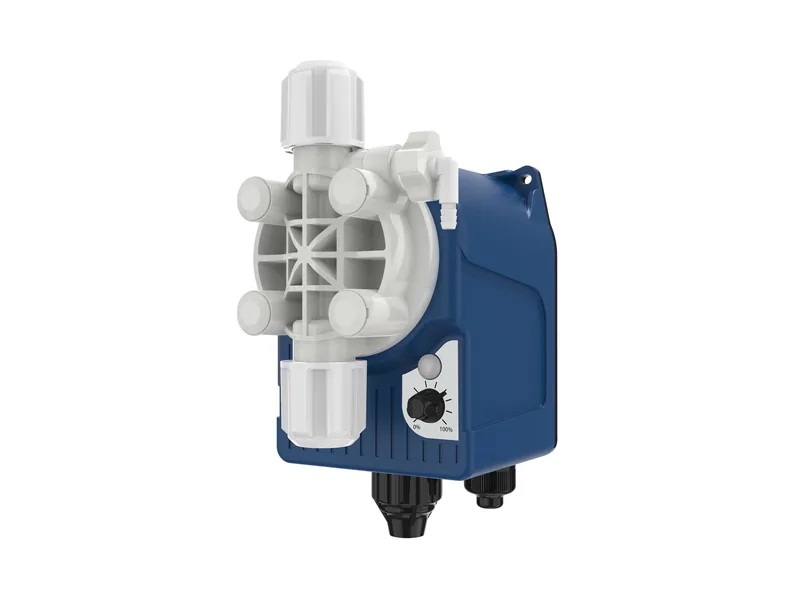
Small precursor flows often use a solenoid metering pump. SEKO solenoid units are common on this duty; compare them on the SEKO brand page and the metering pump category. Size each pump with headroom for the precursor rate at the chlorine dioxide generator's maximum output, and keep the normal stroke in the middle of the range so you can calibrate.
How to hold the ratio and how to interlock the pumps
Once the precursor ratio on a chlorine dioxide generator drifts, the problem is not merely "a little less product." Conversion falls or side reactions rise. Both pumps should start and stop on the same command. If one pump fails, loses flow, or sees a low tank level, the other pump must stop, and the generator should trip. Do not let a single precursor keep entering the reactor.
Do not calibrate only one pump. Check both with a graduated cylinder at the working stroke, then match the volume ratio the chlorine dioxide generator requires. If you change one stroke, recheck the other. When a flow signal paces the feed, both pumps should follow the same command source. Do not leave one pump on a flow signal and the other on a manual stroke.
Each precursor tank needs a level switch. The acid tank also needs venting and corrosion protection. The chlorite tank needs to keep crystals out of the suction inlet. When you refill, do not pour both concentrates through one funnel or one temporary hose. Acid and chlorite meeting outside the reactor is more dangerous than the same meeting inside it.
Gas locks, crystals, and fumes people miss
When a precursor pump stops feeding, operators sometimes only twist the set point on the chlorine dioxide generator. The more common cause is an acid pump that has gas-locked: a high loop in the suction line, a low tank level, or a vent that was never opened. The actual acid rate is already below the set point, so the ratio has already drifted. Chlorite fails in a different way. In cold weather, or after local evaporation, crystals glaze the valve ball and the strainer. Flow falls even though the stroke has not changed.
These precursor-feed problems show up often:
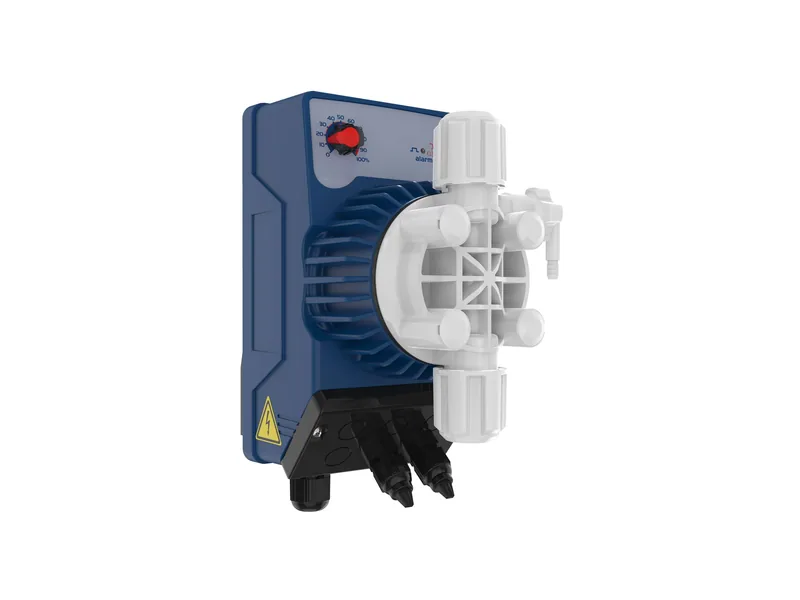
Figure 1: SEKO Kompact AMC solenoid metering pump. Image source: SEKO official website
- Both pumps sit in one undivided cabinet, and acid vapor attacks the electrics and metal parts of the chlorite pump.
- A dual-head pump feeds both precursors. The motor is still turning, but one side has stopped delivering, and the interlock cannot see it.
- Only the chlorine dioxide generator product is calibrated. The two precursor flows have never been checked on their own.
Depressurize and isolate power before you open a head or a suction line, and wear eye and chemical protection. Hydrochloric acid is corrosive and volatile. Sodium chlorite is an oxidizer. Never blend the concentrates in a floor bucket. Collect leaks by the method that belongs to each chemical; do not hose both spills into the same trench to save time.
Two independent pumps, and when to add more interlocks
For a two-chemical reaction, the minimum is two independent metering pumps plus level and fault-stop interlocks. If the chlorine dioxide generator output is high, precursor use is large, or the room is not staffed all the time, add a flow check or a calibration column so the delivered volume is visible. Do not use a dual-head pump just to save space, unless each head can alarm on its own and a failure on one side stops the whole machine.
If the chlorine dioxide generator has a ready signal and a fault output, bring the precursor pumps into the same interlock: no ready signal, no pumps; a pump fault, no continued generation. That is safer than a manual switch on the pump alone.
Conclusion
A chlorine dioxide generator runs in a stable way when hydrochloric acid and sodium chlorite travel in separate metering loops, start and stop together, and shut down as a pair if one side fails, and when gassing, vapor, and crystallization are handled on the precursor side. Disinfection performance and the feed point come later. If the precursor ratio is already wrong, later adjustments will not repair it. Have the precursor types, generator output, tank conditions, and wet-end materials ready, then contact us for a pump check against the two precursor flows and the materials.
FAQ
Can I premix the two precursors in a small tank before the generator?
No. Concentrated hydrochloric acid and sodium chlorite should meet only in the reaction space the chlorine dioxide generator is built around. Premixing is uncontrolled and more hazardous. Keep the feeds separate until the reactor.
The acid pump gas-locks often. Should I install a larger pump?
Check the suction line for a high loop, the tank level, and whether the head was vented. A larger pump usually will not cure a gas lock, and it makes the ratio harder to hold in a stroke range you can calibrate. Fix the suction side and the vent first, then look at pump size.
Why does a chlorite line block in winter?
Crystals at low temperature, or solids on the strainer and the valve ball, are the usual cause. Insulate the tank and the line, limit local evaporation, and flush the suction side on a schedule. Opening the stroke to "blast it clear" is the wrong first move on a chlorine dioxide generator feed.
The product strength is drifting. Do I check the precursors or the analyzer first?
Check the two precursor flows and the tank strengths first, then the analyzer and the sample point. If the ratio is already wrong, a good analyzer will only tell you the result is wrong. It will not put the ratio back. Analyzer type and interference are covered in the chlorine dioxide analyzer article.
Should the precursor pumps be electrically interlocked with the generator?
Yes. At minimum, the pumps must not start until the chlorine dioxide generator is ready, and a fault or a low level on either precursor pump must stop the other pump and the generator. Without that interlock, a single precursor can keep entering the reactor, which is one of the more dangerous mistakes on this system.