
Chlorine Dioxide Analyzer: Sensor Types, Interference, Control
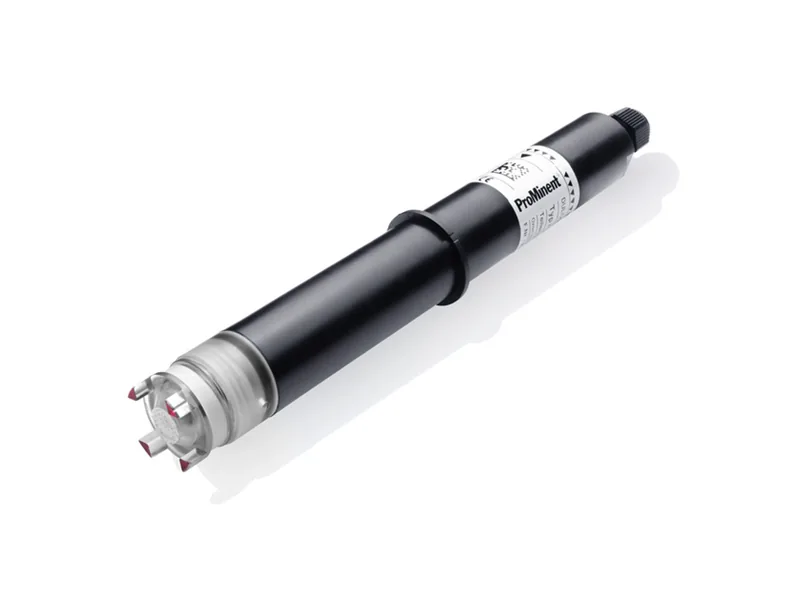
Choosing a chlorine dioxide analyzer starts with what the reading is for. For continuous dosing control, use a membrane-covered amperometric ClO2 sensor: it responds fast and gives a 4-20 mA signal straight to a controller. For periodic checks or cross-checks, a handheld or online colorimetric method is enough. Then match the sensor to the water: clean water, water with surfactants and dirty water need different sensor types. Finally, confirm that free chlorine and chlorite will not distort the reading. This guide is for operators at water plants, food and beverage sites and cooling water systems. For generator and precursor feed design, see chlorine dioxide dosing system.
Two ways a chlorine dioxide analyzer measures
Membrane-covered amperometric sensors
This is the standard choice for online control. A gas-permeable membrane covers an electrolyte and measuring electrode. Chlorine dioxide diffuses through the membrane and reacts at the electrode, producing a current proportional to concentration. Because the membrane separates the electrode from the water, flow changes, turbidity and color have less effect, and response is quick enough to drive a dosing pump directly.
The cost is upkeep. Membranes and electrolyte are replaced on a schedule, and a new sensor or fresh membrane needs time to polarize before calibration. Oil or biofilm on the membrane pulls readings down slowly.
Colorimetric methods
Typically a DPD-type reagent with a masking agent removes the free chlorine contribution so chlorine dioxide can be read. A handheld photometer is the easiest way to verify an online sensor, and there are online colorimetric units that dose reagent on a cycle. No polarization is needed, but reagent is consumed and readings are spaced out, so a colorimetric chlorine dioxide analyzer is a poor fit for a fast control loop.
Rule of thumb: sensors for control, colorimetry for verification. Most sites benefit from both.
Free chlorine and chlorite interference
Interference is the part most often missed in chlorine dioxide residual monitoring.
Free chlorine. Some generation routes, such as the chlorate and hydrochloric acid process, carry chlorine with the product, and water may already contain hypochlorite. A standard chlorine sensor responds to chlorine dioxide too, so a chlorine analyzer cannot stand in for a chlorine dioxide analyzer, and the reverse is also true. For the chlorine side, see free vs total chlorine.
Chlorite. Chlorine dioxide forms chlorite as it reacts, and in drinking water chlorite is a monitored by-product. Check that your ClO2 sensor is not sensitive to chlorite. If chlorite has to be monitored, fit a dedicated chlorite sensor.
Ozone and other oxidants. Where ozone is also used, check the sensor's cross-sensitivity.
Picking a ClO2 sensor by water type
ProMinent splits its DULCOTEST chlorine dioxide sensors into three ranges:
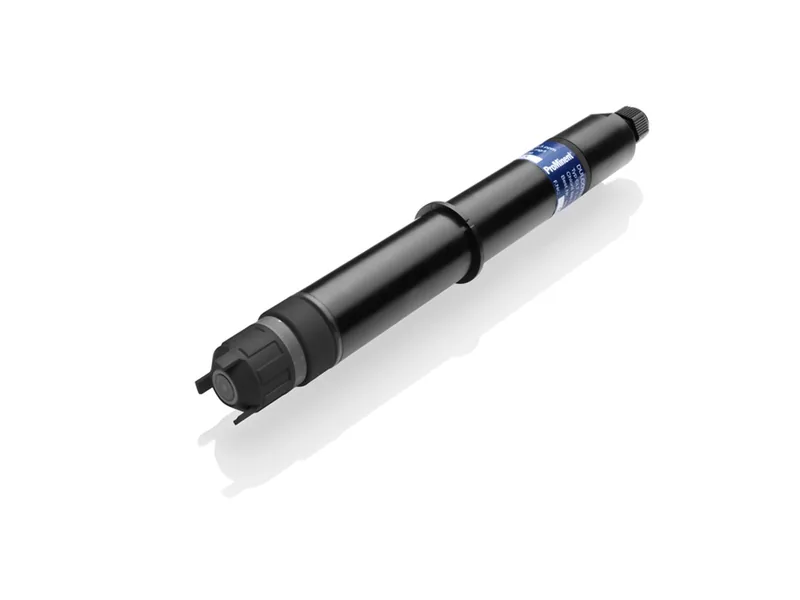
Figure 1: ProMinent DULCOTEST chlorite sensor. Image source: ProMinent official website
- CDE for potable, industrial and process water without surfactants and with slow temperature changes.
- CDP for bottle-washing systems and other water containing surfactants, where fast control is needed.
- CDR for polluted water, such as raw water for potable production, cooling water and wastewater.
The same line includes chlorite sensors for monitoring potable water treated with chlorine dioxide before it enters the network. Telling the supplier what kind of water you have is far more useful than quoting a range. Many unstable installations turn out to have a clean-water sensor fitted in a cooling tower, with the membrane fouled within weeks.
Range, flow cell and temperature
Size the range of the chlorine dioxide analyzer so the normal residual sits well inside it, not at the bottom edge where resolution is poor. Most membrane sensors are installed in a bypass flow cell rather than directly in the pipe, which keeps flow steady and lets you pull the sensor without draining the line. Ask what flow the sensor needs and make sure the sample line can deliver it all year, including when the main pump runs at low speed. Temperature matters too: a chlorine dioxide analyzer with integrated or fast external temperature compensation handles seasonal swings and warm process water better. If the sample is much warmer or colder than ambient, keep the line short so the reading reflects the process rather than the pipe.
Using a chlorine dioxide analyzer for ClO2 dosing control
The usual loop sends 4-20 mA from the chlorine dioxide analyzer to a controller, which trims generator output or precursor pump stroke rate. Key points:
- Put the measuring point downstream of the injection point, after good mixing and some contact time; too close and readings swing.
- Use flow as feedforward and concentration as feedback trim. It is steadier than concentration alone.
- Set high and low alarms and a safe action on sensor failure, so a dead chlorine dioxide analyzer cannot cause overdosing.
- Keep sample flow steady, fit a strainer before the flow cell, and avoid back pressure after the sensor.
Polarization, calibration and membrane changes follow the same routine as other online sensors; see online analyzer calibration and electrode maintenance.
Safety: chlorine dioxide gas is toxic. Stop dosing, close the sample valve and ventilate before working on sample lines or sensors.
Conclusion
Select a chlorine dioxide analyzer in three steps: purpose, water, interference. Use membrane amperometric sensors for control and colorimetry for checks; pick the sensor range that matches clean, surfactant-laden or polluted water; and confirm immunity to free chlorine and chlorite, adding chlorite monitoring where required. See our chlorine and disinfection instruments and the ProMinent brand page. Send your water type, generation method and control needs, and contact our engineers to match the chlorine dioxide analyzer with the dosing pump.
FAQ
Can a chlorine analyzer measure chlorine dioxide?
No. The electrode chemistry and calibration differ, so readings will be off. Use a dedicated chlorine dioxide analyzer.
Why does a new ClO2 sensor keep drifting?
It has not finished polarizing. Calibrate only after the reading settles.
How often should the membrane be changed?
It depends on water quality and the maker's instructions. Clean water allows longer intervals; oily or dirty water needs shorter ones.
Can a potable water sensor go into cooling water?
It is not recommended. Cooling water fouls the membrane quickly; choose a sensor rated for polluted water.
Is chlorite monitoring always required with chlorine dioxide residual monitoring?
No. Drinking water follows local standards; most industrial uses only need chlorine dioxide.