
Car Wash Water Recycling: Chemical Dosing for Oil and Disinfection
If you run a tunnel or in-bay site and want to send wash water back to the pre-wash arches, do not copy a cooling-tower program. Car wash water recycling has to deal with grit, free oil, emulsified oil, and bacteria that bloom in a soapy reclaim tank. Miss one of those, and you get odor, foam, or plugged nozzles. This piece is for wash operators and reclaim builders, and it stays on the recycle loop.
Why car wash water recycling is not cooling-tower treatment
Cooling-tower chemicals exist to control scale, corrosion and algae. Cars drag in mud, engine oil and grease; the shampoo then wraps part of that oil into a stable emulsion. An interceptor will catch free oil, but not the white, milky water that sits overnight with almost no sheen. That fraction only drops out after a coagulant or emulsion breaker, then a flocculant. A car wash water recycling loop that skips this break will keep circulating milky water no matter how large the pit is.
Most sites use car wash water recycling for underbody and pre-wash only. The final rinse, and any spot-free arch, still runs on fresh water or RO permeate so cars do not leave with spots. You are not making drinking water; you are keeping solids and oil low enough that nozzles, pumps and filters last, and the tank does not smell.
Where the oil-break dose belongs
The pit and interceptor should first drop grit and skim free oil. Do not start dosing there just because the water looks dirty. Chemical work starts after free oil is taken off, and before the water enters a dissolved-air flotation (DAF) unit or a settling tank.
Dose too early, and you spend chemical on oil a skimmer would have removed. Dose too late, and the DAF has no reaction time left. A common layout is a static mixer on the pipe from the equalization tank to the DAF inlet; see coagulant dosing point selection. Oil-laden floc is often light, so for car wash water recycling, DAF is often a better match than plain settling; see DAF chemical dosing.
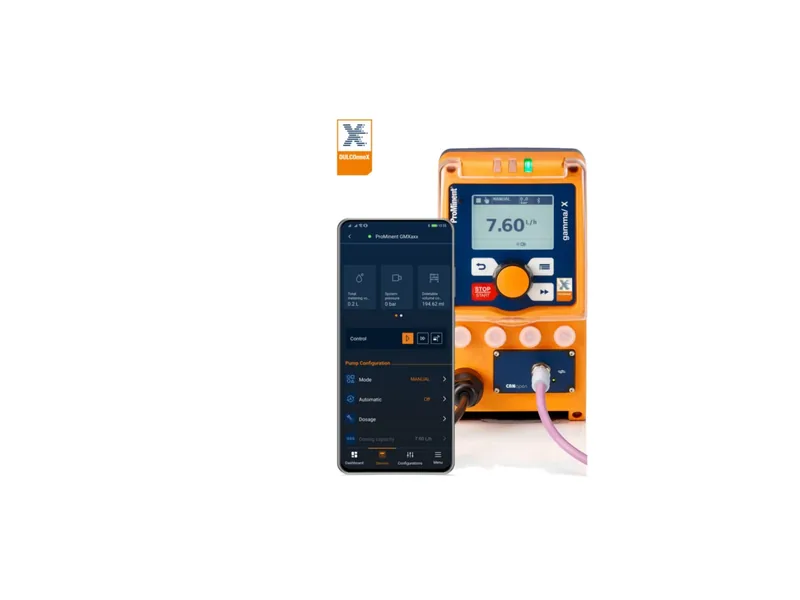
A solenoid or motor diaphragm pump is enough for a liquid breaker or PAC. Size the flow for the busiest hour, and keep the pump's rated pressure above the pressure at the injection point. ProMinent gamma/ X solenoid metering pumps are a typical fit at this mid-to-small feed rate; compare the series on the ProMinent brand page and in the metering pump category. Keep the day tank stirred, and keep the suction line off the sludge at the bottom.
How flocculation should meet the DAF
After the coagulant has formed micro-floc, a dilute PAM solution is usually added so the floc can float or settle. Do not inject PAC and PAM at the same point; leave a mixing stretch between them, as explained in PAC and PAM dosing sequence. In car wash water recycling, this is the step people most often overshoot: too much polymer makes the water sticky, foam hangs around, and the sand filter blinds in a hurry.
Make the polymer down as a dilute solution. Do not dump dry powder into the pump. Polymer make-down for car wash water recycling can be done in a small tank with a slow mixer if space is tight, but the solution still needs time to age. In cold weather the solution thickens; use a short, large-bore suction line or the pump will cavitate while the stroke counter looks normal.
Judge the dose by what you see, not only by the stroke dial. DAF sludge should come off in sheets, and the effluent should be clearly cleaner than the feed. Thin sludge and white effluent usually mean the break or the mix is short; a sticky surface is a reason to cut PAM first.
Disinfection before the reclaim tank
A reclaim tank and the filters are a comfortable home for bacteria once the water carries oil and detergent organics. Skip the disinfectant, and odor plus slime show up within a few days. In car wash water recycling, disinfection is often treated as optional. Sodium hypochlorite is the usual choice: feed it after filtration, at the inlet to the reclaim tank. The disinfection residual in car wash water recycling should stay modest: too much chlorine attacks fittings and can make some shampoos harder to defoam.
Hypochlorite off-gasses and can crystallize. Set up the pump and line like this:
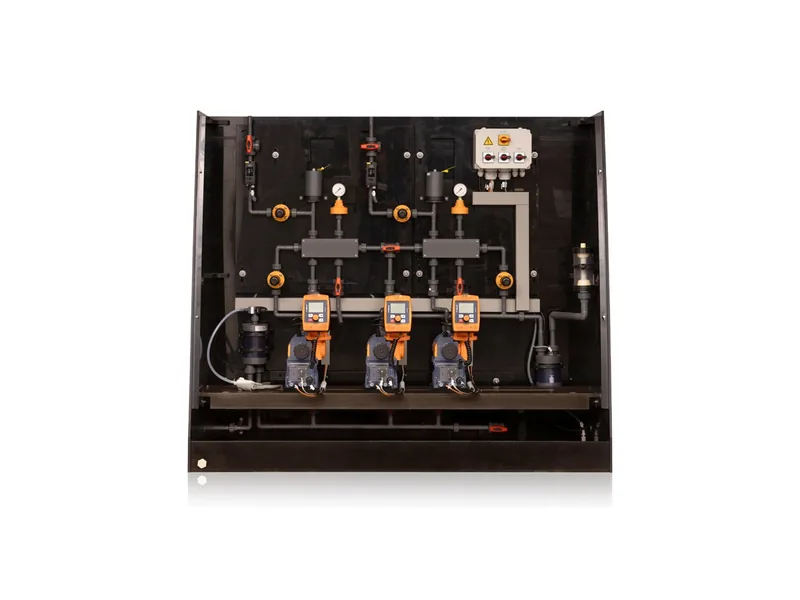
Figure 1: ProMinent DULCODOS dosing panel. Image source: ProMinent official website
- Keep the suction line short, avoid a high loop, and degas the head after a shutdown
- Use an oxidation-resistant head and seals, and fit a non-return injection valve so reclaim water cannot run back into the chemical line Never share a discharge line with an acid, and never store hypo and acid in the same undivided bund: a mixed leak can release chlorine gas. Ventilate the dosing area, and depressurize and flush the pump before you open it. Keep the tank covered and re-check strength every few days.
What fails after the site sits idle
Car wash water recycling is not a 24-hour municipal plant. Many sites stop at night and only run hard on weekends. If PAM is left in a narrow tube, it gels, and the next start looks like a dry pump, then a slug of polymer hits the DAF. After a weekday shutdown, car wash water recycling pumps fail more often from gelled polymer than from a torn diaphragm. Flush the polymer line with clean water before shutdown, and inch the pump to purge air on restart.
Oil also fouls injection valves and check valves, so chemical either siphons back or drips at the injection point. Feel the injection valve during a walk-around; residue or an oil film is a reason to pull it and clean it. If the pump loses prime, gas-locks, or delivers nothing, see wastewater dosing system faults. Keep chemistries on separate pumps: breaker or PAC, PAM, and hypochlorite should not share a head. Once you have peak flow, injection pressure and the chemical list, contact us with those figures so the head material and stroke range can be checked.
Conclusion
Car wash water recycling follows a short sequence: break and coagulate after the oil interceptor, flocculate into a DAF or settler, then disinfect the filtered water as it enters the reclaim tank. A cooling-tower scale and corrosion package will not fix emulsified oil or odor. Get the injection points in the right order, keep PAC and PAM apart, run hypochlorite on its own line with degassing and a non-return valve, and flush polymer lines before an idle shift. Then the reclaim water can feed the pre-wash reliably.
FAQ
Can car wash water recycling work with only an oil interceptor?
Free oil and grit will drop in a pit and interceptor. Detergent-stabilized emulsified oil and fine solids will not. After a few days the nozzles and the wash pump start to foul, and the tank develops an odor. If you want to reuse the water, the break, the floc and the disinfectant are usually not optional.
Can reclaim water from car wash water recycling feed the final rinse?
Most sites should not. Even after treatment, hardness, leftover surfactant and a trace of oil can still spot the finish. Use reclaim on pre-wash and underbody; keep the final rinse on fresh water or RO.
Can PAC and the emulsion breaker share one pump in car wash water recycling?
Not as a standing arrangement. Their dose rates do not move together when the wash load changes, and a mixed day tank is hard to keep at a stable strength. Separate pumps let you tune one chemical without upsetting the other.
Does extra hypochlorite make foam worse in car wash water recycling?
It can. A high residual makes some shampoos harder to knock down and ages seals faster. Disinfection is there to control odor and slime. Hold a modest residual in the reclaim tank; do not treat more chlorine as a synonym for cleaner water.
Why does the polymer pump in car wash water recycling lose prime in cold weather?
The solution thickens as the temperature drops. A long, narrow suction line then has enough resistance that the pump starves before liquid reaches the head. Shorten and enlarge the suction line, keep the tank from getting ice-cold, and check the foot valve.