
Hydrochloric Acid Metering Pump: Fumes, Gas Locking and Materials
A hydrochloric acid metering pump differs from a sulfuric acid pump mainly because HCl is volatile. Concentrated hydrochloric acid fumes as soon as the tank is opened, and hydrogen chloride gas keeps coming out of solution in the suction line and pump head. The result is unstable flow at best and a gas-locked pump that delivers nothing at worst. Selection therefore covers three questions: are the wetted parts chloride resistant, can the head get rid of gas, and where do the fumes go.
This article walks through those points in the order they come up on site. Material conclusions are conservative and the manufacturer's chart decides.
Why a hydrochloric acid metering pump avoids stainless steel
Hydrochloric acid carries a high chloride load and attacks stainless steel hard. Even 316L suffers rapid pitting and crevice corrosion. That is why the head, seats, balls and connectors of a hydrochloric acid metering pump are usually plastic or ceramic, and why stainless bolts and clamps near the pump should be kept out of the fumes where possible.
Among plastics, PVC, PP and PVDF are all used on HCl at ambient temperature, with PVDF giving more margin when it is warmer. Seals are commonly FKM, EPDM or PTFE, and the verdict can change with concentration and temperature, so check each line of the chart.
Hydrochloric acid metering pump problem one: gas locking
Hydrogen chloride comes out of solution more readily as pressure falls. A longer suction line and a higher lift mean lower pressure during the suction stroke, and more bubbles. Gas in the chamber compresses and expands, the diaphragm moves, and little or no liquid is discharged. That is a gas lock.
For gas locking, installation matters more than the pump model. Typical measures:
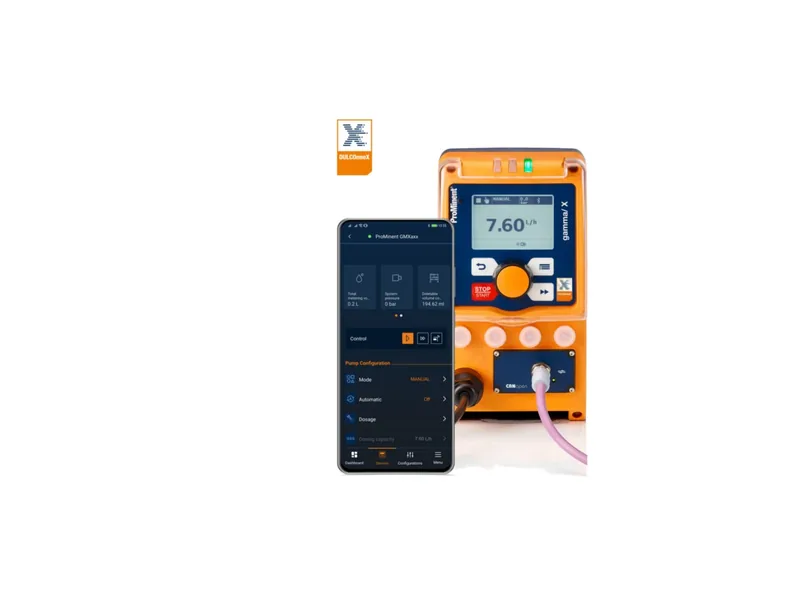
Figure 1: ProMinent gamma/X solenoid metering pump. Image source: ProMinent official website
- Use flooded suction, with the tank level above the pump head.
- Keep the suction line short and straight, with no high points where gas can collect.
- Fit a bleed valve near the head outlet and return the gas and liquid to the tank.
- Watch tank temperature in hot weather, since fuming increases as it warms.
For general bleeding methods, see air in the dosing pump line.
Self-degassing heads: what you gain and lose
ProMinent offers a self-degassing dosing head, which it calls dosing head design 7, on both the gamma/X and gamma/XL solenoid pumps for media that release gas. The gamma/X also has a self-bleeding head that can expel air in the suction line.
The degassing head has a cost. In the gamma/X performance table, the 1604 size is listed at about 16 bar and 3.6 L/h with the standard head, against about 10 bar and 2.2 L/h with the self-degassing head. Pressure and flow both drop, so size a hydrochloric acid metering pump from the degassing head row of the table.
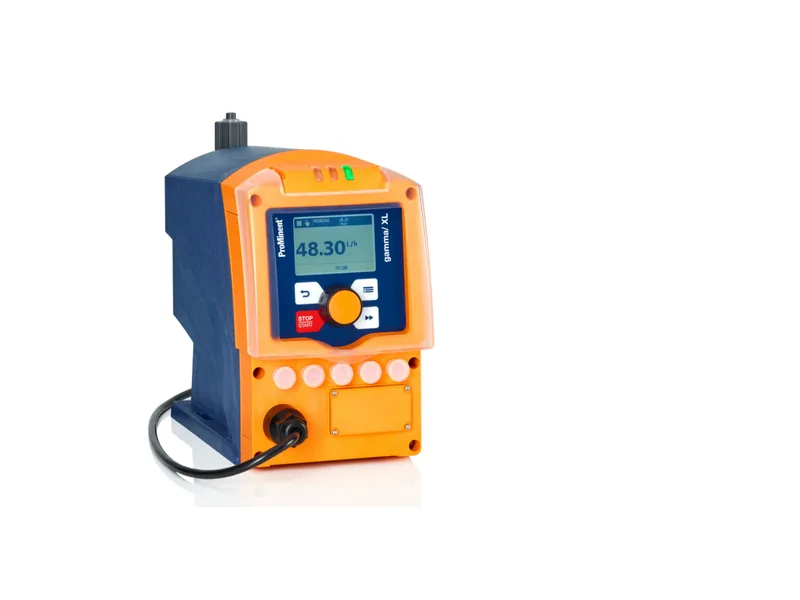
The gamma/XL adds integrated pressure measurement and display, which helps during commissioning to tell gas locking from abnormal back pressure. See our ProMinent gamma/XL overview and ProMinent gamma/X overview.
Other brands have similar features, such as the auto-degassing function on the Iwaki EHN; see Iwaki EHN not dosing with auto degassing.
Hydrochloric acid metering pump problem two: acid fumes
HCl fumes settle on every metal surface nearby. In many dosing rooms the motor housings, junction boxes and panel doors rust unusually fast, and the cause is a tank vent discharging straight into the room.
Layout rules from experience:
- Connect the tank vent to a fume scrubber rather than venting indoors.
- Keep the hydrochloric acid metering pump away from electrical panels, or put the panels in a separate room.
- Ventilate the dosing room, with the exhaust well away from the air intake.
- Use acid-resistant coated or plastic pump stands.
For overall dosing room layout, see wastewater plant dosing room design.
Don't let bubbles fool your calibration
With gas present, calibration results jump around and repeat poorly because part of the chamber volume is taken by gas. Run the pump for a few minutes to purge the head and lines before starting the timer. If the reading is far from the expected value, check for gas first, then the balls and the back pressure valve. Where seasons differ a lot, recheck the flow of a hydrochloric acid metering pump when the weather changes.
HCl or sulfuric acid?
For pH neutralisation the choice is often one acid or the other. From the pump's point of view, sulfuric acid brings concentration drift and heat on dilution, while hydrochloric acid brings fumes and chloride. A hydrochloric acid metering pump typically has a plastic head with degassing, plus fume control around it. Which acid to use usually depends on process limits for chloride or sulfate, and the process engineer should confirm that.
Service and safety
Release pressure and drain before opening a hydrochloric acid metering pump, and keep your face away from the joint because trapped gas may escape. Wear acid-resistant gloves and goggles, plus an acid gas respirator if fumes are heavy. After service, run on water first and check for leaks before reintroducing acid.
Conclusion
The key to hydrochloric acid metering pump selection is volatility. Keep stainless out of the wetted path and check plastic and ceramic parts against the chart; consider a degassing head and size it from the degassing data; install with flooded suction and short lines, vent the tank to a scrubber, and keep the pump away from electrical panels. Browse our solenoid metering pumps, then send concentration, temperature, flow and back pressure to contact our engineers.
FAQ
Can a 316L head pump hydrochloric acid?
Generally no. The chloride content causes rapid pitting, so plastic heads are the usual choice.
Why does my hydrochloric acid metering pump deliver on and off?
Most likely gas locking. Check suction lift, the bleed valve and tank temperature.
What is the downside of a self-degassing head?
Pressure and flow ratings are usually lower than the standard head. Size from the degassing row of the table.
Is rust in the dosing room linked to HCl?
Very likely, if the tank vent has no scrubber. The fumes corrode nearby metal and electrical parts.
Can one pump handle both HCl and sulfuric acid?
Not recommended. The seal requirements differ, so recheck the chart and clean thoroughly before switching.