
Chemical Transfer Pump for Dosing Tank Filling and Fill Points
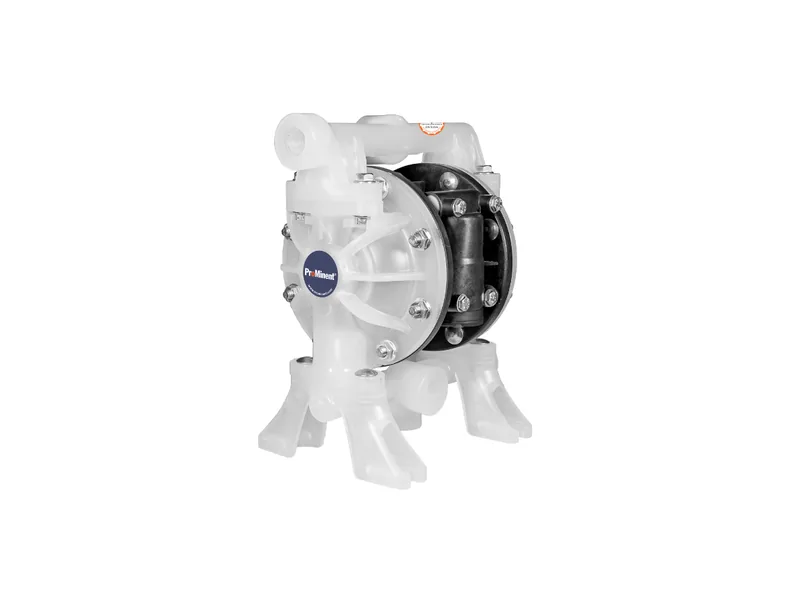
A chemical transfer pump for dosing tank filling, together with a proper fill connection, is the part of a dosing system most often forgotten and most often involved in incidents. The metering pumps and tanks can be perfectly specified, yet operators still end up pouring drums by hand. Splashed acid, overflowing tanks and spilled residue are common results. Choose the right chemical transfer pump for dosing tank duty, lay out the fill point sensibly and add overfill interlocks, and refilling becomes fast, safe and low contact.
Why Tank Filling Deserves Its Own Design
Chemicals arrive by road tanker, IBC tote or small drum and have to be moved into a storage or day tank. This step involves high flow, short duration and direct operator contact with the chemical, so the risk is far higher than normal metering pump operation.
Many projects only draw an inlet nozzle on the tank and never state which pump, which coupling or who operates it. On site, every shift then improvises: submersible pumps, drum pumps, even compressed air pushing liquid out of a tote. Without one defined chemical transfer pump for dosing tank filling, training and written procedures are hard to enforce. A typical failure is two chemicals with identical couplings side by side. Someone connects the wrong hose at night, the products react in the line and the pipe blocks solid. Half an hour at the drawing stage prevents that.
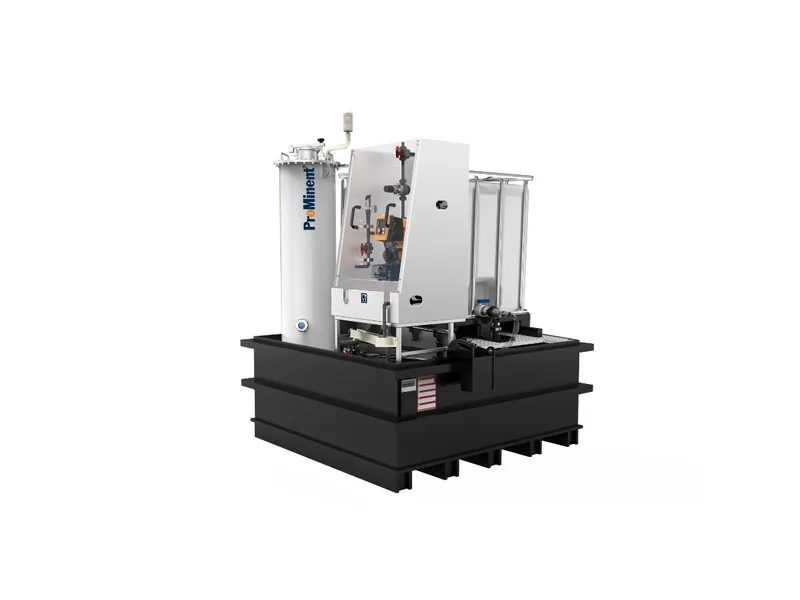
Figure 1: ProMinent ProMinent IBC tote dosing station. Image source: ProMinent official website
Choosing a Chemical Transfer Pump for Dosing Tank Duty
A chemical transfer pump for dosing tank filling is different from a metering pump. It does not need accuracy. It needs high flow, self-priming, chemical resistance and simple operation. Three types are common:
- Air-operated double diaphragm pump: driven by compressed air with no electrical parts, suitable for hazardous areas, self-priming and safe to run dry. Flow is set by air pressure, and the pump stops by itself when discharge is blocked.
- Magnetic drive centrifugal pump: sealless, low leak risk and steady flow, but it must not run dry and needs priming or a self-priming model.
- Drum pump: inserted straight into a drum, suited to small batches and occasional top-ups.
Take the ProMinent DUODOS air-operated double diaphragm pump as an example of a chemical transfer pump for dosing tank filling. It comes in PP and PVDF versions, primes itself, tolerates dry running and stops when back pressure exceeds the air supply pressure, so a closed tank inlet valve will not damage it. Match the materials to the chemical: sodium hypochlorite, sulphuric acid and caustic soda each need suitable body and diaphragm materials.
Where to Put the Fill Connection
Group fill connections at a single unloading point that a tanker or forklift can reach easily. Keep it close to the tanks with short piping and few bends, so the chemical transfer pump for dosing tank service works against minimal resistance.
Layout points:
- Set the coupling at a comfortable working height with a dust cap or lockable cover to stop misuse and debris.
- Give each chemical a different coupling size or type and a clear label, so the wrong hose physically cannot connect.
- Put a drip tray or bund under the couplings to catch residue when hoses are disconnected.
- Install an eyewash and safety shower nearby.
Overfill Protection and Level Interlocks
Overfilling is the most common incident when a chemical transfer pump for dosing tank filling is running. Fit a continuous level transmitter, with a level display visible from the fill point. Wire the high level alarm to a beacon and horn placed next to the unloading point so the operator knows immediately when to stop.
High-high level should stop the chemical transfer pump for dosing tank filling automatically. For an air-operated pump, a solenoid valve on the air supply can cut the air at high-high level. Tanks also need an overflow and a vent. Route the overflow to the bund or a waste sump, and see our guide on dosing tank vent pipe design.
Filling from IBC Totes
Using the IBC as the Day Tank
Some sites place the IBC directly in the dosing station as the supply vessel. The metering pump draws from the tote, and the whole tote is swapped when empty. This removes the transfer step, but the tote must sit on a bunded stand and the suction lance should be quick-release so no piping is opened at changeover.
Transferring from IBC to a Storage Tank
More often, a chemical transfer pump for dosing tank filling moves product from the tote into a storage tank. Connect a chemically compatible hose from the tote outlet valve to the pump suction and secure every clamp. When finished, stop the pump first, then close the valve, then disconnect the hose and drain residue back into the tote.
Inlet, overflow and drain nozzle arrangements are covered in dosing tank pipe connections.
Conclusion
Decide the chemical transfer pump for dosing tank filling and the fill connection at the design stage. Choose an air-operated diaphragm pump or a magnetic drive pump by chemical, flow and hazardous area rating. Group fill points, prevent wrong connections by coupling type, bund the area and add high level alarms with pump trips. Done this way, nobody pours drums and nobody floods the tank. If you are planning a dosing skid and want the transfer pump and fill point included, contact us with your chemicals, delivery method and consumption, and we will review the configuration with you.
FAQ
Can the metering pump also serve as the chemical transfer pump for dosing tank filling?
It is not recommended. A metering pump has low flow, so filling takes a long time, and frequent high-speed running accelerates wear. Keep transfer and metering duties on separate pumps.
What air supply does an air-operated diaphragm pump need?
Clean, dry, oil-free compressed air at no more than the pump's maximum inlet pressure. If the site has no compressed air, budget for a small compressor or choose an electric magnetic drive pump.
What type of quick coupling suits a fill point?
Camlock couplings are common because they connect quickly and seal well. Use different sizes for each chemical transfer pump for dosing tank fill line, or reverse the male and female ends, and pick a material compatible with the chemical.
Why does the tank spit or foam during filling?
Usually the vent is too small or blocked, so air cannot escape as fast as liquid enters. Check vent size and look for crystal blockage, and reduce transfer flow if needed.
Do small plants need a transfer pump at all?
If consumption is very low and one drum lasts weeks, a drum pump or using the tote as the day tank may be enough. Where strong acids or caustic are involved, avoid manual pouring wherever possible.