
Inline Dilution Dosing System: Components, Piping and Pitfalls
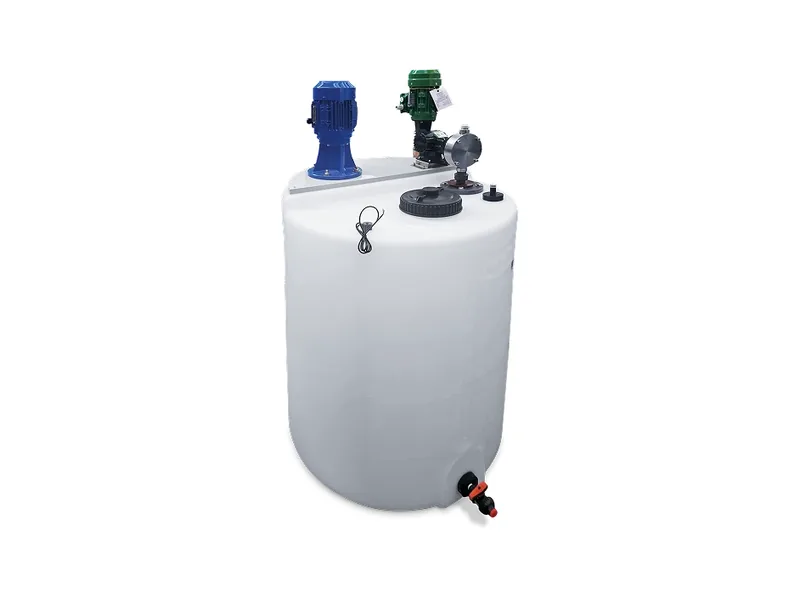
An inline dilution dosing system lets the metering pump handle neat chemical while a separate water line carries the dilution flow, and the two meet in the pipe before the injection point. You lose the batch tank and the mixer, but you gain a water circuit and an interlock that must work every time. Get those wrong and an inline dilution dosing system causes more trouble than the tank it replaced. Here is how the pieces fit, based on what we see in the field.
Inline dilution dosing system vs batch dilution tank
The traditional approach is to mix a weak solution in a day tank and pump that. Someone has to make up the batch, the strength depends on that person, and shift changes are where errors creep in.
Inline dilution flips the logic. The pump draws neat chemical, dilution water flows continuously in its own line, and they combine at a mixing point. The advantages:
- No manual batching; strength is set by pump flow against water flow.
- Short residence time, so chemicals that decay, such as sodium hypochlorite, lose less strength.
- Higher flow in the carrier line, so long runs are less likely to block and response is faster.
- No day tank or agitator, which saves floor space and cleaning time.
The trade-off: if the water stops, the line fills with neat chemical.
Where inline chemical dilution makes sense
Not every chemical suits an inline dilution dosing system. The common cases:
- Emulsion polymer: the neat product is viscous and must be diluted to activate, so inline make-down is standard practice.
- Sodium hypochlorite: when the injection point is far away or the dose is small, carrier water speeds up the response.
- Low-flow chemicals: a pump running at a very short stroke loses accuracy, and carrier water keeps the line from running empty between strokes.
Be careful with concentrated sulfuric acid and anything else that releases heat on contact with water. Do not dilute those in a pipe without a proper engineering review based on the safety data sheet.
Components of an inline dilution dosing system
A complete inline dilution dosing system has three sections:
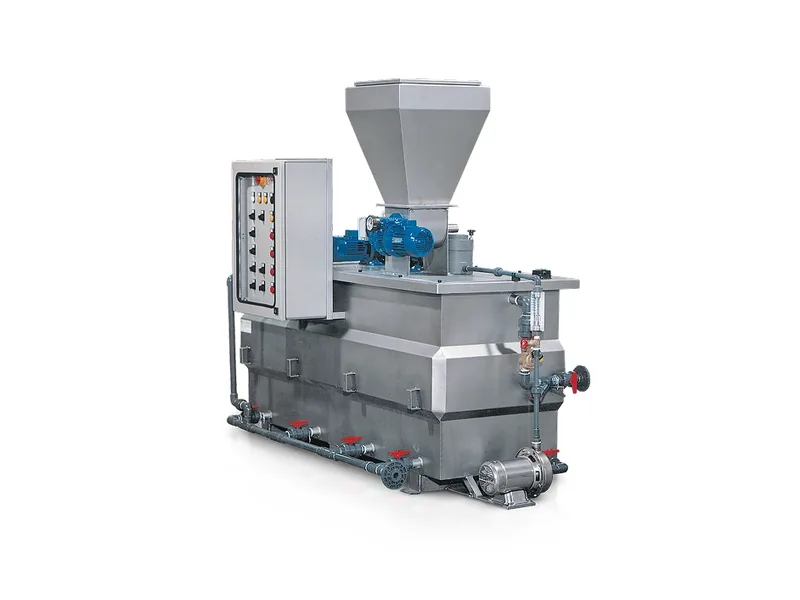
Figure 1: Doseuro H series polyelectrolyte preparation plant (powder version). Image source: Doseuro official website (FPZ)
- Chemical side: storage tank, foot valve or suction line, metering pump, back-pressure valve, relief valve and pulsation dampener.
- Water side: strainer, pressure-reducing valve, solenoid valve, rotameter or flow switch, and check valve.
- Mixing side: injection quill, static mixer, pressure gauge, then the carrier line to the dosing point.
The one interlock you cannot skip: no dilution water flow, no pump. Without it you will eventually leave a slug of neat chemical in the line.
How Doseuro packages polymer inline dilution
Doseuro's H series polyelectrolyte preparation plants build inline dilution into a packaged unit. On the emulsion version, a plunger metering pump injects the emulsion into a static mixer where it meets the make-up water before entering the tanks. The powder version uses a hopper and a volumetric screw feeder instead.
According to the factory catalog, these plants produce 300 to 5000 L/h of polymer solution, with dissolution, dilution and ripening tanks, water and polymer feed controls, all mixers and a fully interwired control panel. See our dosing skid range, the PAM integrated dosing unit design guide, and the Doseuro brand page.
Water line design for an inline dilution dosing system
The water side decides whether your ratio holds. Key points:
- Stable pressure: fit a pressure-reducing valve upstream, because pressure swings change the dilution ratio.
- Enough pump pressure: water pressure at the injection point is back pressure on the pump, so the pump rating must exceed it with margin.
- Check valve at the injection point: it stops water flowing back into the pump head, especially when the pump is off.
- Softened water: hard water with hypochlorite forms scale that slowly blocks the mixer and carrier line.
Choose pipe materials for the chemical; our hypochlorite pipe material guide covers one of the harder cases.
Static mixer and injection point
Once neat chemical enters the pipe of an inline dilution dosing system, a static mixer does the blending. A plain tee and a straight run rarely mix viscous polymer properly, and you end up with "fish eyes". The number of elements and mixer length depend on pipe size and velocity, so take them from the mixer supplier's sizing data.
Insert the injection quill into the center of the pipe, pointing downstream. Injecting at the wall lets neat chemical run along the pipe surface, where it mixes badly and attacks the pipe.
Common inline dilution dosing system mistakes
- No water-flow interlock, so a slug of neat chemical sits in the line and hits the dosing point at the next start.
- Dilution flow drifts with network pressure; the pump setting looks constant but the strength keeps wandering.
- Missing or failed back-pressure valve, so water flow siphons chemical straight through the pump and metering is lost.
- Wall injection, leaving chemical unmixed and corroding the pipe just upstream of the mixer.
Conclusion
An inline dilution dosing system suits emulsion polymer, sodium hypochlorite and low-flow chemicals. The essentials are stable dilution water pressure, a pump that stops when the water stops, and proper mixing. Configure the chemical side like any metering pump installation, give the water side a pressure-reducing valve, flow switch and check valve, and use a static mixer for blending. Treat heat-releasing chemicals such as sulfuric acid as a separate engineering case. Every site is different, so contact us with the chemical, injection point and piping layout and we will review the inline dilution dosing system with you.
FAQ
Can an inline dilution dosing system replace a batch tank completely?
For most liquid chemicals, yes. Powder polymer still needs dissolving and ageing time, so it usually keeps a make-up tank.
How is the dilution ratio controlled?
By the ratio of pump flow to water flow. Monitor water with a rotameter or magnetic flowmeter and adjust the pump to water flow or a process signal.
Why did treatment get worse after switching to inline dilution?
Usually poor mixing or hard dilution water. Check the static mixer and the quill position, and use softened water with hypochlorite.
Should an inline dilution dosing system stop water when the pump stops?
Yes, with a delay. Stop the pump first, let water flush the line, then close the valve. On start-up, open water before the pump.
Is a back-pressure valve still needed with water pressure at the quill?
Yes. Water pressure reduces siphon risk, but pressure changes can still cause overfeed, and the valve protects metering accuracy.