
Online Water Hardness Analyzer: Softener Breakthrough and Boiler Feed
An online water hardness analyzer watches softener outlet water and raises an alarm the moment hardness starts to break through, so the plant can regenerate or switch to the standby vessel before hard water reaches the boiler. Timer or volume-based regeneration wastes salt when the resin still has capacity and can leak hardness early when raw water hardness rises. An online water hardness analyzer lets you regenerate on actual demand. This article is for boiler house and softening plant operators and for water treatment designers.
For the split between softening and chemical treatment, see chemical dosing vs water softener.
How an online water hardness analyzer measures
The most common design is colorimetric titration. On each cycle the analyzer draws a sample, adds buffer and indicator, then doses titrant step by step while a photometer watches for the color change. Hardness is calculated from the titrant used to reach the endpoint. You get a result per batch, not a continuous trace, with a fixed interval between measurements.
Simpler colorimetric units add an indicator and judge only whether the color shows hardness above a threshold. These limit-value monitors suit softener outlets, where the only question is whether low hardness is still within spec.
Calcium ion-selective electrodes exist too. They use little reagent but need regular calibration and suffer interference from other ions, so they are less common for softener duty.
Pick by what you need. If you want a recorded hardness value, choose a titration analyzer. If you only need to know whether the water is in spec and when to regenerate, a limit-value monitor is enough.
Softener breakthrough monitoring: where to sample
Most plants sample the softener outlet header or the outlet of each vessel. On duplex alternating systems, a sample point per vessel shows exactly which unit is exhausting. A multi-stream analyzer can switch between them.
A second point at the boiler feed tank inlet or ahead of the deaerator works as a final check. If a softener alarm is missed, an online water hardness analyzer at this point still shows hard water entering the system.
Keep the sample line to the online water hardness analyzer short with steady flow, and fit a strainer so resin fines cannot reach the analyzer. Fines that lodge in a sample valve or measuring cell distort the reading.
Alarm levels and softener regeneration control
Set alarms below the boiler feedwater limit so operators have time to react. A common two-stage scheme:
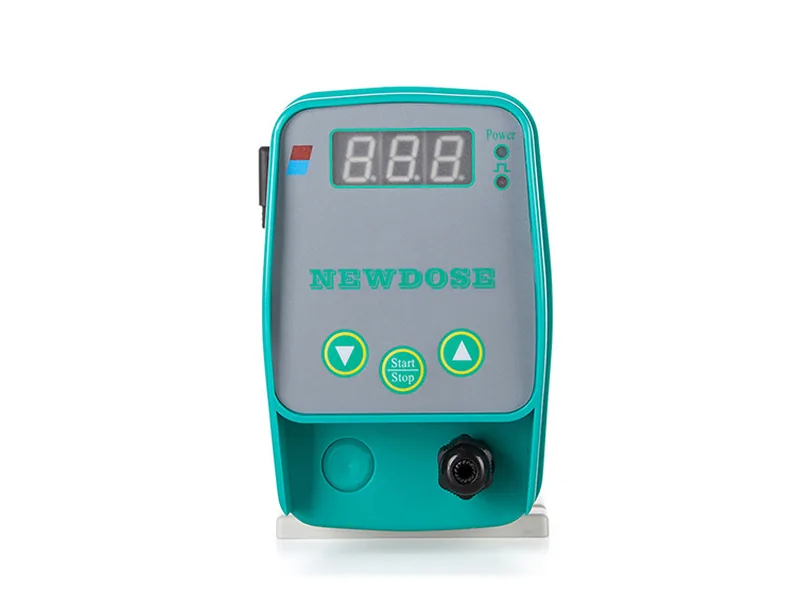
Figure 1: NEWDOSE D series solenoid metering pump. Image source: NEWDOSE official website
- Pre-alarm: hardness starts rising. Warn the operator and prepare regeneration.
- Limit: hardness exceeds the setpoint. Start regeneration automatically or switch to the standby vessel.
Account for the measuring cycle. A titration analyzer reports once per cycle, so "regenerate on the first high result" will occasionally fire on a single bad sample. Requiring two consecutive high results, or alarming first and letting an operator confirm, is more reliable.
The online water hardness analyzer must also output a fault signal when reagent runs out or the cell fails, so the control system knows there is no valid data rather than reading the value as zero hardness.
Maintenance: reagents and the measuring cell
Most routine work on an online water hardness analyzer is reagent. Reagents have a shelf life and indicator degrades after opening, which blurs the endpoint. Replace them on a schedule based on consumption and expiry rather than waiting for a "reagent empty" alarm.
The measuring cell and tubing slowly scale and foul, and a dirty optical window affects endpoint detection. Check against a known hardness standard regularly; it is more trustworthy than the instrument's self-test. Analyzer waste contains reagents, so collect and dispose of it properly.
Hardness signal and boiler phosphate dosing
Softening handles hardness outside the boiler; chemical dosing handles what gets inside. The online water hardness analyzer sits between the two and tells you how well the first barrier is working.
Drum boilers typically receive phosphate, which converts small amounts of calcium and magnesium into sludge removed by blowdown; see how boiler phosphate treatment works. If feedwater hardness stays high for a long time, phosphate is consumed faster, and the feed rate should be adjusted after lab confirmation.
Using the hardness signal to drive the phosphate pump directly is generally not recommended. The real fix for high hardness is restoring the softener; dosing is only the safety net. Use the alarm as a prompt to check boiler water and adjust feed, and keep routine adjustment based on boiler water phosphate results. More on the division of labor in external vs internal boiler water treatment.
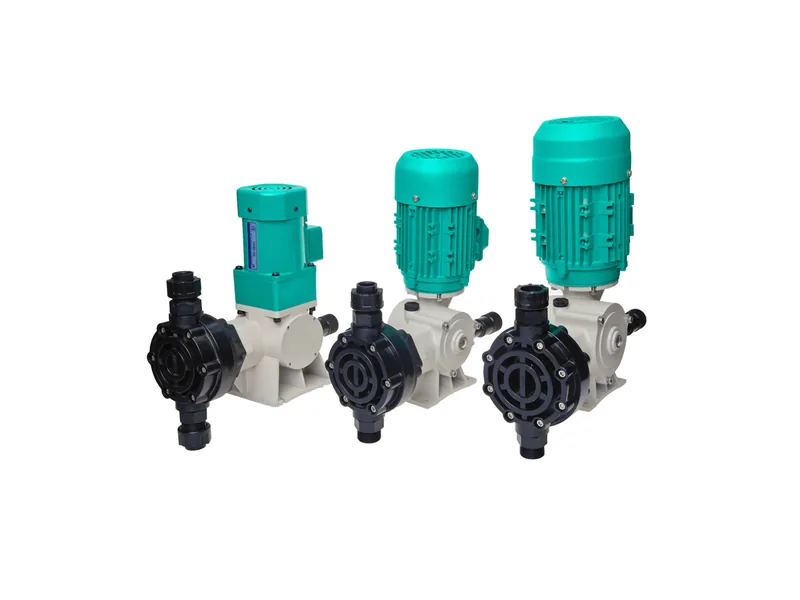
On the pump side, NEWDOSE NDJ mechanical diaphragm metering pumps are a common choice for boiler phosphate feed. Smaller boilers can use NEWDOSE D-series solenoid metering pumps; the DM model accepts a 4-20 mA current signal for remote control, which makes integration with the boiler panel simple.
Conclusion
An online water hardness analyzer turns softener outlet checks from periodic lab tests into continuous protection. Choose a titration or limit-value unit to suit the job, sample at the softener outlet and the boiler feed inlet, stage the alarms, guard regeneration against false triggers, and focus maintenance on reagents and the measuring cell. Treat the hardness signal as guidance for dosing rather than a direct pump control input. Browse water quality instruments and NEWDOSE metering pumps, then send us the softener size, feedwater limits and dosing points and contact our engineers for a complete monitoring and feed package.
FAQ
How often does an online water hardness analyzer measure?
Titration units measure on an adjustable cycle. Shorten it as the softener approaches exhaustion and lengthen it in normal operation to save reagent.
Is an online water hardness analyzer always necessary on a softener?
Small boilers can manage with lab tests every shift. Unattended plants, strict feedwater limits and alternating multi-vessel systems benefit most from online monitoring.
Why does the reading jump around?
Typical causes are degraded reagent, bubbles or resin fines in the sample, or a dirty cell. Replace reagent, clean the cell, then verify with a standard.
Should the boiler trip on a hardness alarm?
Switch vessels or regenerate first and confirm by lab test. Follow the boiler operating procedure only if feed hardness stays high.
Do I still need phosphate dosing with an online hardness monitor?
Yes. Softeners always leak a little hardness, and internal phosphate treatment is the backup that covers it.