
Wastewater Dosing System Fault Finding: Problems and Check Order
When effluent quality slips, the first move on most wastewater plants is to check the metering pump. A dosing system, though, includes chemical make-up and mixing, the day tank, suction and discharge piping, the pump, control signals and the injection point. A system fault in any one of them shows up the same way: unstable effluent. Looking only at the pump makes it easy to miss the real cause.
This article sorts the common problems by where they occur in the system and sets out a check order. Pump faults themselves are covered only briefly.
Typical Symptoms
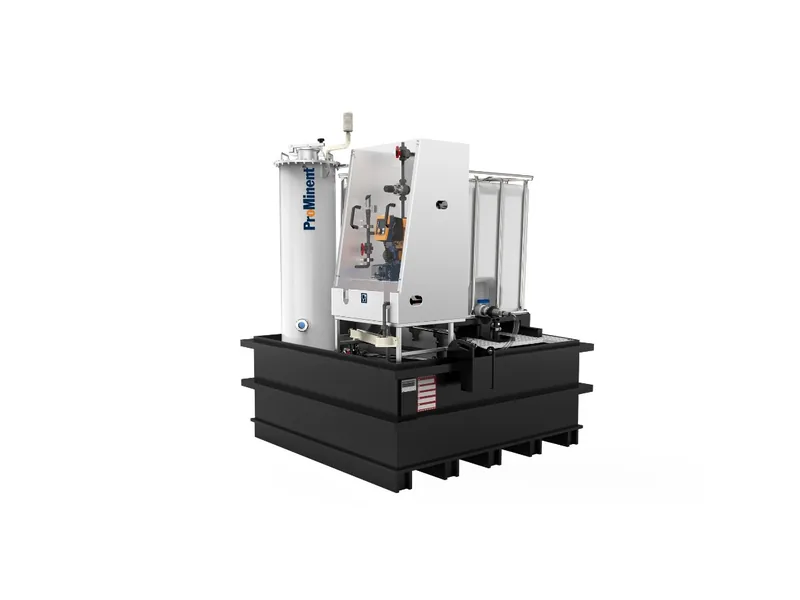
Figure 1: ProMinent 普罗名特 IBC dosing station. Image source: ProMinent 普罗名特 official website
- Effluent quality drops suddenly while the displayed dose looks normal
- Tank level falls faster or slower than the set dose would predict
- Dose does not follow changes in inflow, or swings widely
- Injection lines block, scale up or leak near the dosing point
- Make-up produces chemical of uneven strength, with lumps or fish eyes
Each symptom can come from a different part of the system, so work through it in order.
Check Order: Tank to Injection Point
Section 1: Make-Up and Day Tank
Start with the chemical itself. With PAM, adding powder too fast or mixing too little creates fish eyes and lumps, lowers the active strength and blocks lines. Errors in PAC dilution or a change in supplier batch mean the same dose gives a different result. A failed level gauge can report chemical in a tank that is actually empty.
Section 2: Suction and Pump
Make sure the tank outlet valve is fully open, the strainer is clean and the suction line is not drawing air. Then confirm the pump is stroking and measure its output with a calibration column. For a pump that delivers nothing, see dosing system not dosing.
Section 3: Discharge Line and Injection Point
Check the backpressure and relief valves and look for scale narrowing the line. The injection point is where a wastewater dosing system fault turns up most often. PAM points clog with floc, hypochlorite points scale, and lime points silt up. A badly placed injection point that mixes poorly also cuts performance.
Control System Fault Sources
If every field device checks out, the system fault may be in the controls. A drifting flow meter makes flow-paced dosing calculate from the wrong flow. A fouled analyzer probe drives feedback control further off target. Changed ratio factors or limits in the PLC make the pump output differ from the setpoint. Compare field instrument readings with lab results to judge whether the signals can be trusted. Control approaches are covered in wastewater dosing automation.
Typical Problems by Chemical
PAC
At high strength PAC is viscous, and in cold weather it flows poorly, so long thin suction lines can starve the pump.
PAM
Poor dissolution and short aging time are the usual culprits. Gel forms in the pump head and lines, sticking valve balls and blocking pipes.
Sodium Hypochlorite
It gasses off and air-locks the pump head, cutting output. Injection points in hard water scale quickly.
Standby Pumps and Changeover
Critical dosing points should have a duty and standby pump so that a pump-level system fault can be handled by switching over before effluent goes out of limit. Rotate the standby regularly. A pump left idle for months may be stuck with crystals just when you need it. See wastewater dosing pump redundancy.
A Site Example
At a municipal plant, total phosphorus in the secondary clarifier effluent ran high for two days. The control room showed a normal phosphorus-removal dose and the pump was running. Operators switched to the standby pump with no change.
They then checked the system from the tank onward. The tank level was falling at only about half the expected rate. A calibration column showed the pump output was correct. Further down, the injection nozzle was mostly blocked with floc and scale. Discharge pressure had risen, the relief valve was lifting continuously, and most of the chemical was going straight back to the tank. After the nozzle was cleaned and moved to a more turbulent spot, phosphorus returned to normal within a day. Pump status alone would never have revealed this system fault.
Recording and Analyzing Each System Fault
After each repair, record the symptom, cause, fix and downtime. Over time, count faults by section to find the weak points. Repeated injection point blockage suggests moving the point or adding a flush line. Frequent make-up problems call for a look at powder feed and aging time. Recurring signal errors mean instruments need a calibration schedule. Data-driven upgrades cost less than repeated emergency fixes, and operators learn the system better.
Seasonal Checks
Many problems follow the seasons. In winter, PAC thickens, PAM dissolves slowly and outdoor lines can freeze, so check heat tracing and allow longer aging time. In summer, hypochlorite breaks down faster and gasses more, so keep tanks shaded and watch for air locks. Before each season change, walk the whole line from tank to injection point and fix small issues before they grow into a system fault during peak load.
Daily Rounds
Log tank level every shift and use the drop to calculate actual dose. Comparing that with the setpoint is the simplest and most effective way to catch a wastewater dosing system fault early. Check pump output with a calibration column regularly, inspect injection points and lines, and clean strainers. On the make-up system, check that the solution is uniform. Operating precautions are in wastewater dosing precautions.
Conclusion
Treat a wastewater dosing system fault as a system problem. Check the chemical and tank first, then suction and pump, then discharge piping and injection point, and finally the control signals. Calculating actual dose from tank level is the key to locating which section is at fault. For ProMinent metering pumps and packaged systems see our diaphragm metering pumps, or contact us for help.
FAQ
Where should I start with a dosing system fault?
Calculate actual dose from tank level to see whether the problem is dose or chemical effectiveness.
PAM lines keep blocking. What can I do?
Improve dissolution and aging, use larger bore piping, and flush with water regularly.
Dose looks right but effluent fails. Why?
Chemical quality, poor mixing at the injection point or a change in influent quality.
How often should the standby pump run?
Rotate weekly to monthly.
What happens if the flow meter signal is wrong?
Flow-paced dosing calculates from the wrong flow, so you overdose or underdose.