
Aggregate Wash Water Dosing for Sand Plant Recycle
Aggregate wash water dosing is about the dirty recycle stream after washing and screening, not about tunnel slurry and not about a municipal sewage recipe. The job is to flocculate the slimes, send clear water back to the washers, and get the underflow thick enough for a press or a stockpile. This article is for equipment and operations staff at a sand and gravel plant. It covers coagulant and polymer on the recycle line, plus the polymer trim ahead of dewatering.
What aggregate wash water dosing has to deliver
Aggregate wash water leaving a sand washer, a screw classifier or a dewatering screen is sandy, turbid and unsteady: the flow jumps when the plant starts and stops. The usual targets for aggregate wash water dosing are an overflow clear enough to reuse and an underflow dense enough to press or stack. Write those two targets down before you pick injection points.
If the recycle is still dirty, nozzles and pump impellers wear faster, and finished sand can pick up clay. If the underflow is too thin, the press cycles more often and the polymer is not doing the dewatering job. Aggregate wash water dosing should not be judged only by a pretty overflow. You also have to ask whether the underflow will move, and whether leftover polymer is riding back in the recycle.
A practical order is: check whether the existing pond or thickener has enough detention to drop the sand, decide whether a coagulant is needed at all, then close the polymer dose with a jar test on the plant's own wash water. Do not drop a municipal PAC skid onto a wash line and hope it fits.
Where to dose ahead of the thickener
Most aggregate wash water dosing starts ahead of a thickener or a lamella clarifier. Coarse sand will settle on its own. The hard part is stone dust and clay slimes. A common pattern is a small coagulant dose only when needed, then PAM to grow the floc. Put the injection point at a static mixer or on the feed pipe, and give the polymer time to disperse. Do not shoot chemical into the feedwell and hope it mixes.
Coagulant is not mandatory on every aggregate wash water line. If the water is high in clay and a PAM-only jar test leaves a loose floc and a cloudy supernatant, then a little PAC or polyferric sulfate may help. The dose has to come from this plant's wash-water sample, not from a neighbor's clipboard. Placement is covered in coagulant dosing point selection.
PAM must be dissolved and aged before it is pumped. A make-down that is too strong is hard to pump; one that is too weak empties the tank too often. Guidance on strength is in how to set polymer concentration. Overdosing PAM is a frequent miss in aggregate wash water dosing: the overflow looks excellent, the recycle turns sticky, nozzles film over and thickener rake torque climbs. It is better to steady the feed and keep enough detention than to thicken the polymer until the water feels viscous.
Does the underflow still need aggregate wash water dosing?
When thickener underflow from aggregate wash water goes to a belt press or a plate-and-frame press, a second PAM trim is often needed at the press. That feed is not the same pump or the same setpoint as the clarifier. Belt-press injection and belt washing are covered in belt filter press polymer dosing. Calibrate this line on its own. Do not copy the thickener stroke onto the press.
The underflow carries fine sand, so the polymer has to mix, but the metering pump itself must not suck sandy underflow. Tie the injection into a clean or dilution-water side, and use a check valve so slurry cannot run back into the chemical line and the pump head. Once sand is inside, valves and the diaphragm wear quickly, and the flow becomes unsteady or the ball will not seat.
Pump choice and field problems in aggregate wash water dosing
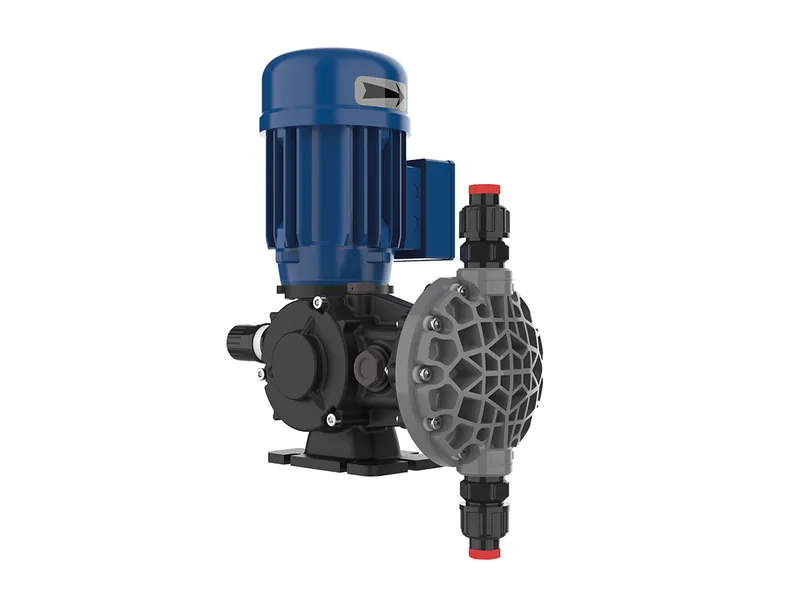
Wash-line flow swings hard, so pacing the polymer to recycle flow is more stable than a fixed stroke. SEKO Spring MS1 mechanical diaphragm pumps are a common fit for this kind of continuous, mid-range feed. Head materials follow the chemical. Compare options on the SEKO brand page and the dosing skid category. PAM is viscous, so keep the suction short and add a back-pressure valve and a pulsation damper on the discharge.
Watch these points in the field:
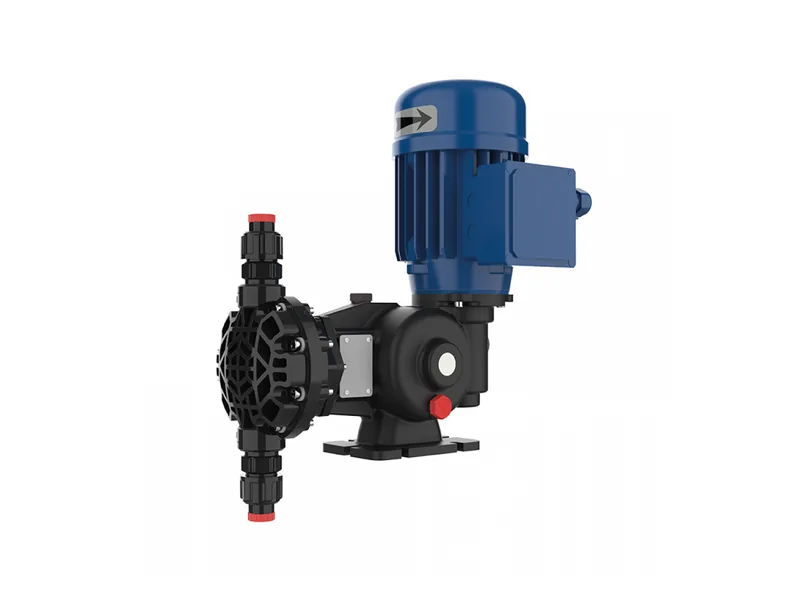
Figure 1: SEKO Spring MS1 mechanical diaphragm metering pump. Image source: SEKO official website
- Keep suction and injection lines clear of sand hoppers, floor channels and splash from the thickener weir, so grit cannot enter the pump
- On a line that starts and stops often, the pump needs a flow signal; do not keep yesterday's stroke when the washer is down or just starting
- In an unheated chemical room in winter, PAM thickens. Insulate the tank and the suction line; opening the stroke to 100% will not fix a cold, viscous solution
One more miss in aggregate wash water dosing: if a recycle pond is rarely desludged, settled sand gets stirred up and the dose chases a false turbidity. Desludge first, then change the pump setpoint. If you have flow, pressure, the chemical and the recycle destination ready, contact us for sizing and we can check the pump and the skid against that aggregate wash water duty.
Conclusion
Aggregate wash water dosing should make recycle water clear enough to wash sand again and underflow thick enough to dewater, rather than copying a sewage or tunnel-slurry recipe. Use coagulant only when slimes will not settle on polymer alone, meter PAM separately for clarification and for the press, close the dose with a jar test, and watch leftover polymer and sand running back into the pump. Once the recycle target is clear, size the equipment from flow, pressure and the chemical.
FAQ
Is PAM alone enough for aggregate wash water dosing?
Not always. Many wash lines settle on PAM alone, but clay-rich water that stays cloudy in a PAM-only jar test may need a small coagulant dose first. Test the plant's own water. Do not copy a neighbor's recipe.
If the recycle is already usable, does the press still need its own polymer?
Yes. Settling mud in the thickener and pressing that mud into a cake are two different jobs. The press usually needs its own PAM trim and its own calibration. Do not share one stroke setting.
Why do the pump valves wear out so fast?
Sand has usually run back into the chemical line or the head. Check the injection check valve, the injection point and whether the line is flushed. A metering pump doses chemical; it is not a slurry pump.
In winter the floc looks weak. Should we make the PAM stronger?
Check solution temperature and viscosity first. In an unheated room PAM thickens and the actual pump flow drops, which looks like a short dose. Insulate and recalibrate before you raise both strength and stroke.
The overflow is clear but nozzles start to film. Why?
A common cause in aggregate wash water is too much PAM, with residual polymer riding back in the recycle. Repeat the jar test, cut the dose to the lowest level that still settles, and watch the nozzles.