
Brewery Dosing Pump Guide: CIP, Water Treatment and Sanitizing
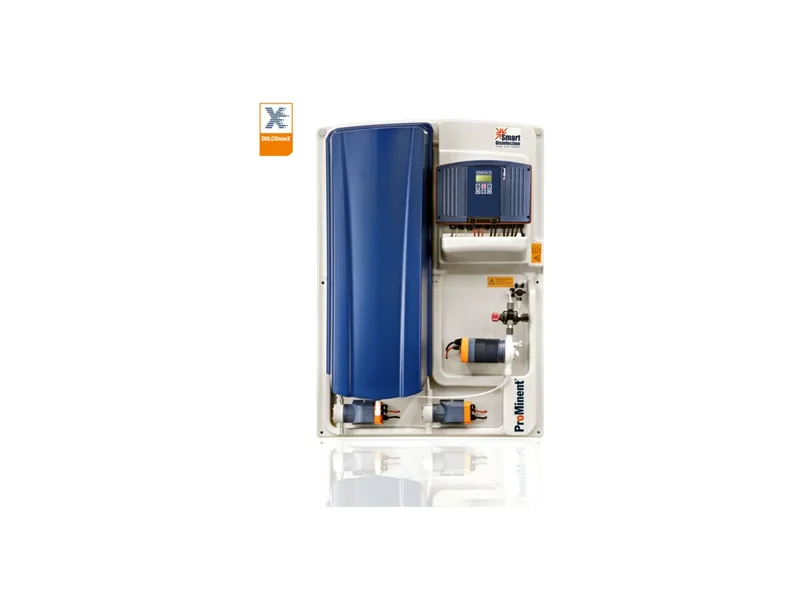
A brewery dosing pump is rarely one pump. Most breweries need three different duties: feeding caustic and acid into the CIP system, adding calcium salts and acid to brewing water, and injecting peracetic acid or chlorine dioxide on the packaging line. Each duty has its own chemistry, flow range and hygiene rules, so each needs its own pump. This guide is for brewery maintenance managers, process engineers and the water treatment contractors who support them.
Why one brewery dosing pump model rarely fits every job
Buyers often want a single model across the plant to keep spares simple. It sounds sensible until the pumps are installed. The CIP set needs a fairly large flow of concentrated caustic, the brewhouse needs a few liters per hour with tight repeatability, and the packaging line handles a sanitizer that gasses off inside the pump head.
Start with a simple map of every injection point. For each one, write down the chemical, its concentration, the maximum flow you expect, and the back pressure at the injection point. Then size each brewery dosing pump for that point. Most breweries have only a handful of dosing points, so separate selections do not make spare parts much harder to manage.
CIP chemical dosing: caustic and acid
CIP means clean-in-place: the brewhouse vessels, fermenters, bright beer tanks and lines are cleaned by circulating solutions without taking anything apart. A typical cycle runs a pre-rinse, hot caustic wash, intermediate rinse, acid wash, then sanitizing and a final rinse.
Caustic top-up
The brewery dosing pump on the caustic tank tops up concentrated sodium hydroxide based on a conductivity signal, so the wash solution stays at strength. Things that go wrong in the field:
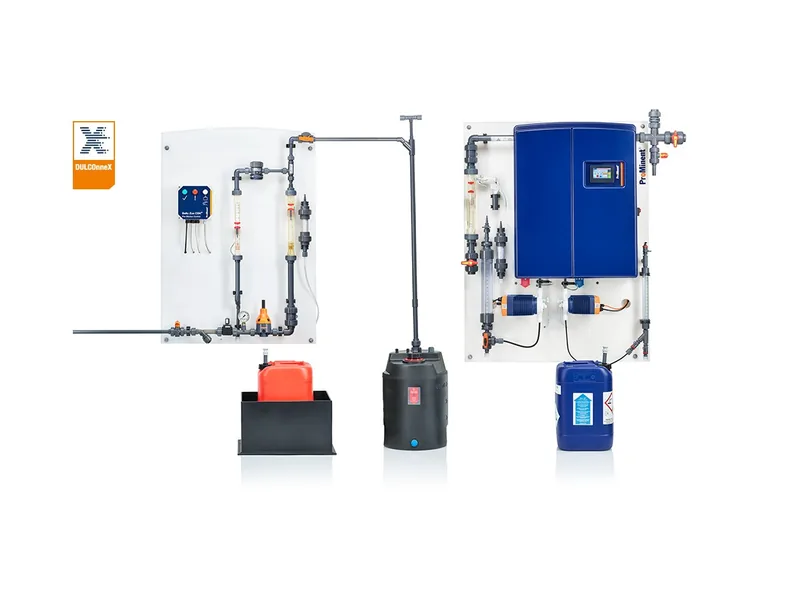
Figure 1: ProMinent Bello Zon CDKd chlorine dioxide system. Image source: ProMinent official website
- Caustic gets thicker in cold weather. A drum stored outside in winter adds suction resistance and the pump starts losing prime.
- Wetted parts must handle caustic. PVDF heads with ceramic or PTFE balls are a common combination. Keep the pump away from steam and hot surfaces around the CIP tanks.
- Mount the conductivity probe in the return line, not at the tank bottom, where sludge and air bubbles give false readings.
Acid wash
Acid cleaning removes beerstone and hard water scale, usually with a nitric or phosphoric acid blend. Nitric acid is oxidizing, so check every seal material against it. Standard nitrile is not suitable. If caustic and acid share one CIP station, run their discharge lines separately into the tanks so the two chemicals never meet inside a pipe.
For control logic, see our article on CIP dosing control for food and beverage plants. For the difference between CIP pumps and additive pumps, read CIP dosing pump selection for food and beverage.
Brewing water treatment: calcium salts and pH
Water chemistry shapes beer flavor. Many breweries soften the incoming water or run it through reverse osmosis, then add calcium back to suit each recipe, typically as calcium chloride or calcium sulfate. Lactic or phosphoric acid brings mash pH down when it runs high.
Here the brewery dosing pump works at low flow and touches product water, so accuracy and hygiene come first. Do not oversize. A metering pump running at a very short stroke or a very low pulse rate loses repeatability. As a rule of thumb, aim for the normal dose to sit around 30% to 80% of rated capacity.
For any brewery dosing pump on product water, use wetted materials approved for food contact, keep chemical tanks covered, and fit a suction strainer. When dosing in proportion to water flow, a flow meter sends a 4–20 mA signal and the pump follows it. That is far steadier than an operator changing the setting by hand each shift.
Sanitizer dosing on the packaging line
Bottles, cans and kegs are sanitized before filling, generally with peracetic acid or chlorine dioxide. The two chemicals ask different things of a brewery dosing pump.
Peracetic acid releases gas as it decomposes, which is the main headache for a sanitizer brewery dosing pump. Gas in the pump head shows up as no output or an erratic flow. A solenoid pump with an automatic degassing head, or a vent valve on the discharge, solves most of these problems. PVDF and PTFE wetted parts both work; keep metal parts to a minimum.
Chlorine dioxide is usually generated on site from sodium chlorite and acid, and how accurately those precursors are metered affects both yield and safety. ProMinent's Bello Zon chlorine dioxide systems, such as the CDLb and CDKd series, package precursor metering, reaction and dosing into one unit. Our article on chlorine dioxide dosing system design covers the safety layout. Store the precursors separately and install leak detection.
Common brewery dosing problems
Cross-contamination. Give every brewery dosing pump its own suction lance and drum, and label them clearly. Putting a lance in the wrong drum during a changeover happens more often than people admit.
Seasonal demand. Summer brings more shifts, more CIP cycles and more packaging. Size each brewery dosing pump for peak season, not average output.
Shutdown care. Before a long stop, flush pump heads with clean water and drain the caustic and acid pumps. Otherwise crystals jam the check valves and the first job at restart is pulling valves apart.
Solenoid pumps suit brewing water and sanitizer duties; a motor-driven diaphragm pump is usually the better brewery dosing pump for large caustic top-up flows. Compare options on our solenoid dosing pump range or browse the ProMinent brand page.
Conclusion
Choosing a brewery dosing pump by process area saves trouble. CIP needs caustic and heat resistance plus conductivity control. Brewing water needs low-flow accuracy and food-contact materials. Packaging sanitizers need gas handling and safe chemical storage. List the chemical, strength, flow and back pressure for each point before you pick a brand. Send us that list and contact our engineers to check pump type and materials point by point.
FAQ
Can one brewery dosing pump handle both CIP and brewing water?
We do not recommend it. CIP uses concentrated caustic and acid, while brewing water needs low-flow food-grade dosing, so sharing a pump risks contamination and the flow ranges rarely match.
Should CIP caustic be dosed by conductivity or by timer?
Conductivity control is more reliable. A timer has no idea what the actual tank strength is, so it either wastes caustic or leaves the solution too weak to clean.
Why does my peracetic acid pump keep losing output?
Usually gas is trapped in the pump head. Use a degassing head or a discharge vent valve and keep the suction line short.
Do brewery pumps need food-grade materials?
Pumps that touch product water or beer need food-contact approved heads, seals and tubing. Pumps on the CIP circuit can be selected for chemical resistance alone.
Can I buy stabilized chlorine dioxide and dose it directly?
Stabilized chlorine dioxide solutions can be dosed with a standard metering pump, but check the active content and supplier guidance. On-site generation suits larger demand and needs a generator plus safety equipment.