
Equalization Tank Dosing Pump: pH Control and Nutrient Feed Setup
An equalization tank dosing pump has two main jobs: pull the incoming wastewater pH back into a range the biological stage can handle, and top up nitrogen or phosphorus when the influent is carbon-rich but nutrient-poor. The basin itself smooths flow and load, but in food, textile or industrial-park plants the swings are often too large for volume alone. This guide is for plant operators and process engineers who need to set up equalization basin chemical feed that actually holds steady.
What does an equalization tank dosing pump actually do?
In most plants the duty falls into one of these groups, listed roughly by how often we see them:
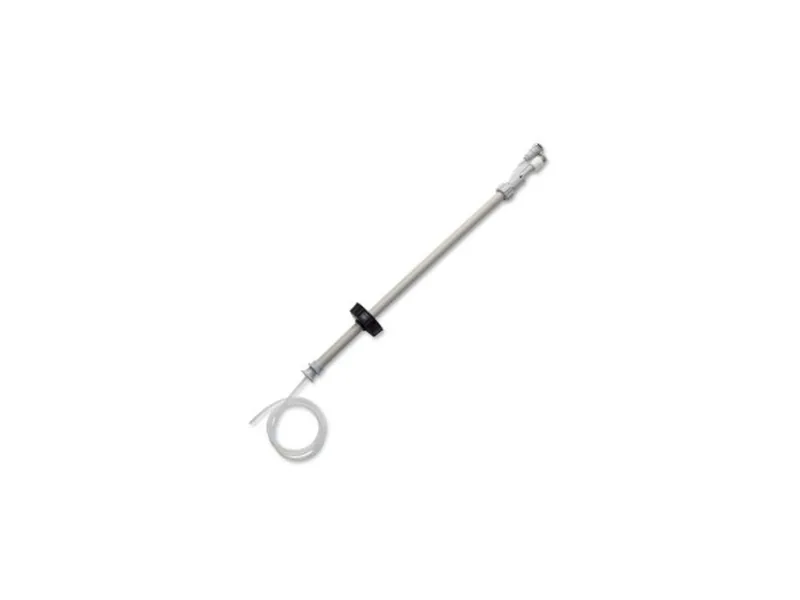
Figure 1: ProMinent suction assembly with level switch. Image source: ProMinent official website
- pH adjustment. Acidic influent gets caustic soda; alkaline influent gets sulfuric or hydrochloric acid. The target is whatever range the downstream biology tolerates.
- Nutrient feed. Food, starch and pharmaceutical wastewater often carries plenty of BOD but too little N and P, so urea or a phosphate solution is added in proportion to the load.
- Occasional pretreatment chemicals, such as a demulsifier on oily streams. This is project-specific and set by the process designer.
Keep the equalization step separate from coagulation and disinfection in your head. For the full picture of where chemicals go across a plant, see our article on wastewater chemical dosing points. Here we stay with the equalization basin.
Where should the dosing point be?
Put the injection where mixing is strongest: the end of the inlet pipe or the zone around the mixer or aeration grid. If the chemical lands in a dead corner, the pH probe keeps reading untreated water, the controller drives the equalization tank dosing pump to full output, and when the chemical finally spreads, pH overshoots.
The probe needs mixing distance from the dosing point. It is usually mounted near the basin outlet or in a bypass on the lift pump discharge. Hanging the probe right next to the injection point is the most common reason equalization tank pH control hunts up and down.
How does changing basin level affect dosing?
Equalization basins rise and fall a lot during the day. If the discharge line ends below the liquid surface, back pressure on the pump changes with level, and so does the volume per stroke. A better arrangement is to terminate the line above the top water level and fit a back pressure valve at the pump outlet, so the equalization tank dosing pump always sees a steady discharge pressure.
How to size an equalization tank dosing pump
Because the basin is open, discharge pressure is rarely the problem. Flow range and chemical compatibility are.
Size the equalization tank dosing pump for the worst case: the furthest pH deviation at the highest inflow, plus a sensible margin. The normal operating point should sit around the middle of the pump's rated range. A neutralization calculation gives a first estimate; a titration on a real sample is the check.
Material depends on the chemical. PVDF or PP liquid ends generally handle caustic and dilute sulfuric acid; concentrated acid needs the head and seal materials confirmed separately. Urea and phosphate solutions are mild but tend to crystallize, so flush the line after long stops.
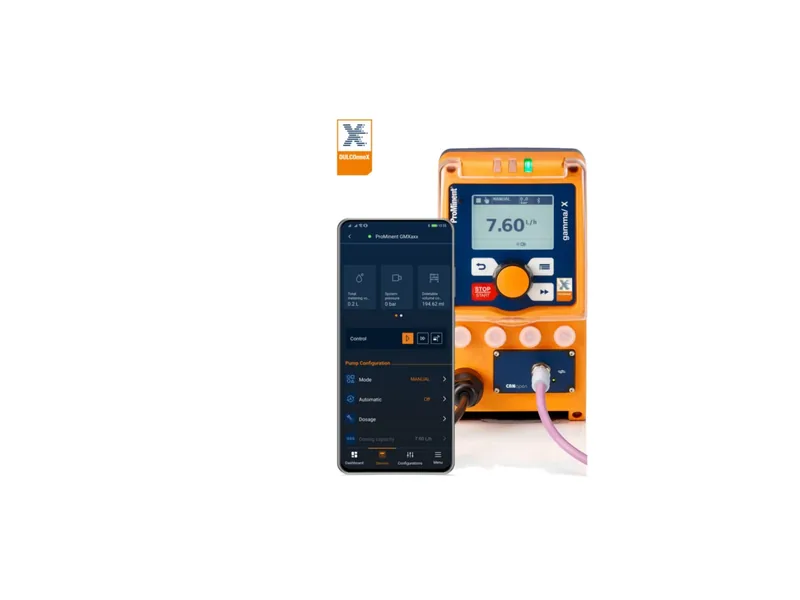
For small and medium flows, a solenoid diaphragm pump is the usual choice. ProMinent's gamma/ X solenoid metering pump, for example, accepts external pulse and analog control, which makes it a good match for a pH controller. Larger plants move to motor-driven diaphragm pumps. You can compare options on our solenoid dosing pump range and the ProMinent brand page.
Control settings for equalization basin chemical feed
Nutrients are normally dosed flow-proportionally. The flow meter sends pulses or a 4-20 mA signal and the equalization tank dosing pump changes its stroke rate to match. Small plants with stable influent can run nutrient pumps at a fixed rate and adjust after lab tests.
pH correction needs closed-loop control: the analyzer reading goes to a controller, which compares it with the setpoint and drives the pump. The hard part is dead time. The farther the probe from the injection point, the longer the lag and the harder the tuning. Our guide to pH dosing control and overshoot covers how to tame that.
Mistakes we see again and again on site:
- Acid and caustic pumps both in auto with no dead band. The pH saws back and forth around the setpoint and chemical use doubles. Add a neutral band so only one pump can run at a time.
- The lift pump stops but the equalization tank dosing pump keeps going, and a pocket of the basin goes off the scale. Interlock the dosing pump with the lift pump or an inflow signal.
- No low-level alarm on the day tank, so the pump runs dry for days. Fit a level switch that stops the pump and raises an alarm.
Safety around acid and caustic feed
Caustic soda and sulfuric acid both cause severe burns. Before opening a liquid end or changing a check valve, stop the pump, close the isolation valves, relieve the pressure and wear a face shield and chemical gloves. When diluting concentrated acid, add acid slowly to water, not the other way round. Keep chemical lines above grade and put splash guards on joints.
Conclusion
An equalization tank dosing pump corrects pH and supplies nutrients so the biology gets a stable feed. Get the basics right first: inject where mixing is strong, keep the probe at a distance, terminate the discharge above the water line with a back pressure valve, use flow-proportional control for nutrients and closed-loop control for pH, and interlock everything with the lift pump and tank level. If you want a second opinion on an existing equalization tank dosing pump setup, send us the flow, influent pH range, chemical and concentration, and contact our engineers.
FAQ
Does every basin need an equalization tank dosing pump?
No. Domestic sewage plants with stable pH and a reasonable nutrient balance often run without one, and add it later if operating data shows a need.
One pump or two for pH correction?
Two equalization tank dosing pumps, duty and standby, is our recommendation. If a single pump fails unnoticed, acidic water reaches the biology and the sludge can take a long time to recover.
Can nutrients and caustic share one tank?
It is better not to. Mixing can cause reactions or precipitation and makes concentration hard to control, so use separate tanks and pumps.
How often should the pH probe be calibrated?
Typically every one to two weeks with buffer solutions, more often on oily or high-solids water. Clean the sensor surface in between.
Why does chemical keep flowing after the pump stops?
That is usually siphoning. If the tank level sits above the discharge point, liquid gets pulled through the pump. A back pressure or anti-siphon valve at the outlet fixes it.